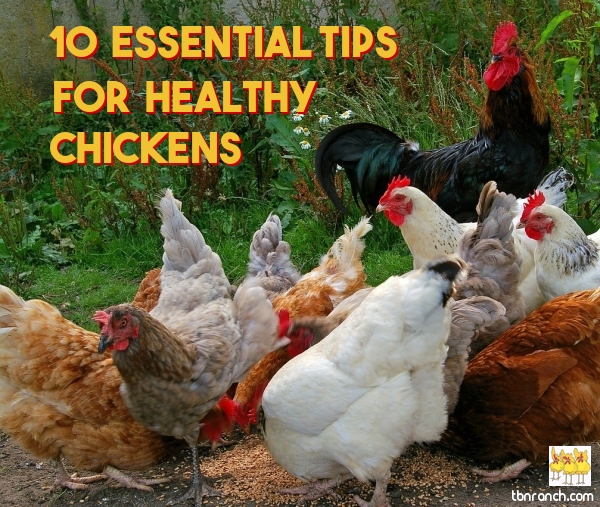
Provide a clean and spacious coop: Chickens need a clean and dry living environment to prevent diseases. Regularly clean the coop, remove any droppings, and provide fresh bedding.
Provide fresh food and water: Chickens need access to fresh food and water at all times. Provide them with a balanced diet that includes grains, proteins, and minerals, and make sure they have access to clean water to stay hydrated.
Practice good biosecurity: Implement good biosecurity measures to prevent the spread of diseases. Limit access to your chicken coop, avoid introducing new birds without proper quarantine and testing, and practice good hygiene when handling chickens.
Keep chickens protected from predators: Predators like foxes, raccoons, and birds of prey can pose a threat to your chickens. Make sure your coop is securely fenced and protected with sturdy wire mesh to keep predators out.
Allow chickens to free-range: Giving chickens access to a fenced or enclosed area where they can forage for insects, worms, and greens can improve their overall health and well-being. Free-ranging also helps to prevent boredom and encourages natural behaviors.
Keep the coop well-ventilated: Proper ventilation in the coop is crucial for preventing respiratory issues and reducing ammonia buildup from chicken droppings. Make sure the coop has windows or vents that can be opened to allow fresh air to circulate.
Keep the coop and nesting boxes clean: Regularly clean the coop and nesting boxes to prevent the buildup of droppings, which can attract pests and lead to diseases. Replace soiled bedding with fresh bedding regularly.
Provide dust baths: Chickens love to take dust baths, which help them to clean their feathers and prevent mites and lice. Provide a dry, sandy area in the coop or run for them to take dust baths.
Don’t overcrowd: Make sure the coop is spacious enough to allow chickens to move around freely. At least 2ft. of ground space for each bird is preferred.
Limit Treats: A nutritionally balanced diet is compromised by treats. Treats should never compromise more than 5% of a hen’s dietary intake. This includes healthy foods & supplements, which can replace a portion of essential dietary elements found in manufactured feed.


 TBN Ranch Chicken Keeping Resources