Chickens and Heat Distress, What to Do

When Should you Supplement your Flock with Electrolytes?

In the heat of summer, there are warning signs when chickens are suffering from heat distress. Once you recognize these signs, consider them as a reason to add electrolytes. Electrolytes are available in feed stores that carry retail poultry products, even Amazon will have it. You’ll find easy-to-follow instructions on the back label informing you how much to put in their drinking water. 
Warning Signs Heat Distress
Panting, holding their wings away from their body.
Combs and wattles a deep red, or pale.
Restlessness.

Signs of Heat Stress | What to Do
Much more dangerous is Heat Stress. Below are the signs your chickens are in great danger and could even die if you don’t act quickly.
Not eating or drinking.
Pacing.
Disoriented.
Wobbling.
Lethargic.
Dark reddish-purple wattles and combs.
Submerse chicken in warm water (a 5 gal. bucket from Home Depot works nicely) and move the bird to a shady spot. Don’t bring the bird indoors, it will only cause more stress when returned outside. A fan nearby would be ideal. Don’t try to force water, when the bird cools down it will drink on its own. Chicken feed is not important at this point,  don’t push it, offer watermelon instead.

More Information…

Back to Chicken Keeping Resources HOME PAGE

Breaking the Broody Hen

What Broody Means, and What to do When it’s a Problem

Definition of Broody: A hen with strong instincts to hatch eggs, whether or not they are fertile, or even present in the nest.
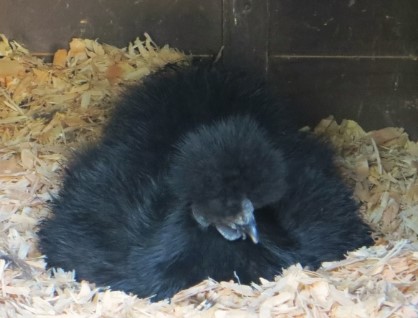
Signs: Your hen won’t leave the nest, appears to not be eating, her feathers are all fluffed up, and she looks a bit spread out. These are classic signs of the broody hen. First of all she isn’t starving, she is eating and drinking, but it’s low on her list of priorities. She may only eat just enough to survive.  The fact that she isn’t sitting on eggs won’t make a difference to her, so don’t assume she’ll just give up in a day or two, she won’t.  This behavior could last weeks, and during that time period she will not lay eggs.

Broody Hen

Her behavior can be disrupting as well, she may not allow the other members of the flock near her nest, not only is that opening the door for drama, but the laying cycle of the entire flock can be disturbed. Make sure you have enough nest boxes for your flock.
What to Do
You can sometimes discourage the broody hen by moving her nest box, covering it, or to the less dedicated lady, simply take her from the nest a few times the first day. However, there are some with very strong instincts and you may actually have to change her environment completely by moving her to another place. This might take her mind off sitting on eggs and back to laying them.
Another trick that I use here at the ranch is getting air underneath the hen. The best way to do this might require a few changes to your nest area, but it’s well worth the effort. I don’t like keeping my birds on a wire grate in the nesting place, but I do have have a place with that option for the simple solution of breaking the behavior of the broody hen.

I have a piece of plywood covering the wire grate in their nest area, over that is a gracious amount of grass hay. When the occasional broody hen occupies the nest, I simply remove the plywood, by exposing the wire grate, the hen has air flow under her – which to her, is completely unacceptable.
Note: It’s important to act quickly when addressing the broody hen, the longer you allow it to continue, the longer you will have to wait before she starts laying eggs again.

Back to HOME PAGE


The Broody Hen

What Broody Means, and What to do When it’s a Problem

Definition of Broody: A hen with strong instincts to hatch eggs, whether or not they are fertile, or even present in the nest.
Signs: Your hen won’t leave the nest, appears to not be eating, her feathers are all fluffed up, and she looks a bit spread out. These are classic signs of the broody hen. First of all she isn’t starving, she is eating and drinking, but it’s low on her list of priorities. She may only eat just enough to survive.  The fact that she isn’t sitting on eggs won’t make a difference to her, so don’t assume she’ll just give up in a day or two, she won’t.  This behavior could last weeks, and during that time period she will not lay eggs.

Broody Hen

Her behavior can be disrupting as well, she may not allow the other members of the flock near her nest, not only is that opening the door for drama, but the laying cycle of the entire flock can be disturbed. Make sure you have enough nest boxes for your flock.
What to Do
You can sometimes discourage the broody hen by moving her nest box, covering it, or to the less dedicated lady, simply take her from the nest a few times the first day. However, there are some with very strong instincts and you may actually have to change her environment completely by moving her to another place. This might take her mind off sitting on eggs and back to laying them.
Another trick that I use here at the ranch is getting air underneath the hen. The best way to do this might require a few changes to your nest area, but it’s well worth the effort. I don’t like keeping my birds on a wire grate in the nesting place, but I do have have a place with that option for the simple solution of breaking the behavior of the broody hen.

I have a piece of plywood covering the wire grate in their nest area, over that is a gracious amount of grass hay. When the occasional broody hen occupies the nest, I simply remove the plywood, by exposing the wire grate, the hen has air flow under her – which to her, is completely unacceptable.
Note: It’s important to act quickly when addressing the broody hen, the longer you allow it to continue, the longer you will have to wait before she starts laying eggs again.

Back to HOME PAGE