Marek’s Disease: What Every Chicken Keeper Should Know

Marek’s Disease: Symptoms, Management, Prevention, Biosecurity, Commonality, and Vaccines.

Written by a real person and flock owner.

About Marek’s Disease

Marek’s Disease is one of the most common and serious illnesses affecting backyard chickens. Caused by a highly contagious herpesvirus, Marek’s attacks the nervous system, internal organs, eyes, and skin. It spreads quickly through feather dander and dust, and once it’s in your flock or environment, it can be difficult to eliminate. However, with the right prevention strategies, backyard keepers can protect their birds and maintain a healthy flock.
The best protection against Marek’s is vaccination. Most large hatcheries offer Marek’s vaccination as an optional add-on when you order day old chicks. This is the simplest and most reliable method for small flock owners. If you hatch your own chicks at home, you can order the Marek’s vaccine online and administer it yourself, but the process is fairly complex and often impractical for small backyard flocks. (More info on this below.)
In addition to vaccination, maintaining good biosecurity is important. Always quarantine new birds for at least 2 to 4 weeks before introducing them to your flock. Clean and disinfect feeders, waterers, tools, and footwear, especially if you’ve visited other poultry farms. Marek’s virus can survive in dust and bedding for months, or longer in some regions, so reducing dust buildup in the coop is critical. Ensure good ventilation, regularly turn bedding, and avoid letting feather dander accumulate.

Symptoms of Marek’s Disease

Prevention of Marek’s Disease

There is no cure for Marek’s disease once symptoms appear, so prevention is critical. The most effective prevention is to vaccinate with 24 hours of hatch.
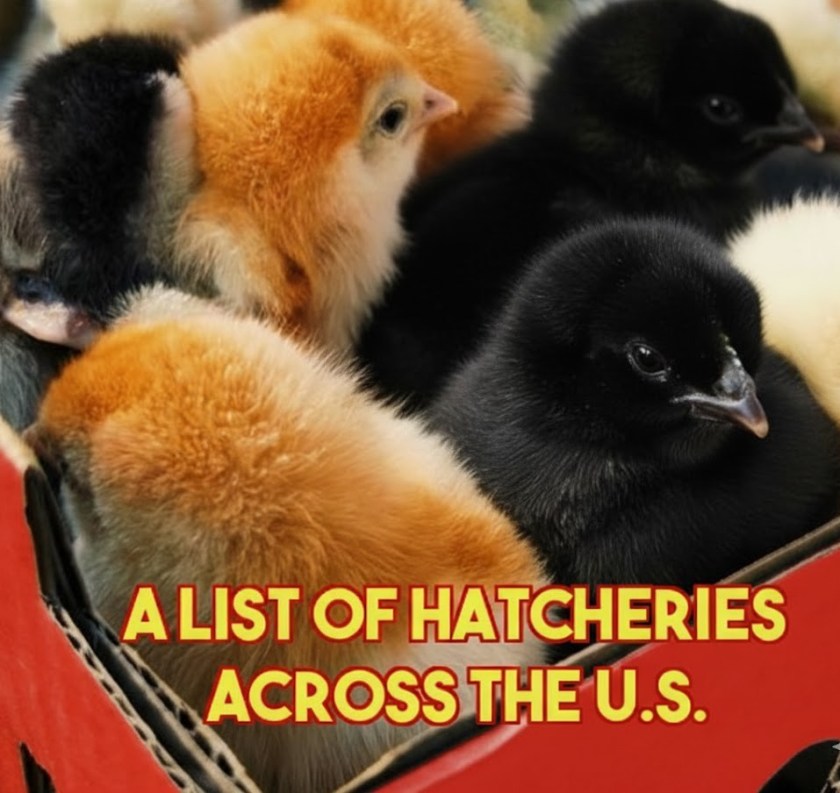
Many hatcheries offer Marek’s vaccination at hatch for an extra SMALL fee.
Ask for it when ordering chicks online, and when buying chicks from a feed store make sure they are vaccinated.
Vaccine doesn’t totally prevent infection, but it can reduce symptoms and spread.
Note: It takes about 7-14 days for immunity to develop after vaccination.

Biosecurity Practices

Never introduce new birds without quarantine (2-4 weeks).
Minimize visitor access to your flock.
Clean and disinfect equipment, boots, and hands.
Avoid mixing vaccinated and unvaccinated birds.
Do not raise vaccinated and unvaccinated birds together.
Keep dust levels down; the virus spreads via feather dander and dust.

How Common Is Marek’s Disease?

Marek’s disease is VERY common worldwide, especially in backyard and small-scale flocks. Marek’s disease tends to affect birds between 3 weeks and 6 months old, but older birds can carry and spread it. Unfortunately, the virus is extremely hardy and can remain infectious in dust and dander for months, some say years, especially in arid climates.
Note: Infected birds may appear to recover, but they can still be carriers.

Marek’s Can be More Problematic in the Southwest U.S.

A combination of climate, management styles, and exposure risks favor the spread of the disease. Here’s why it may be more prevalent or persistent in places like Arizona, New Mexico, Texas, and surrounding areas:
Warm, Dusty Conditions: The virus spreads in dander and dust, which can stay airborne and infect other birds.
The dry, dusty climate of the Southwest makes it easier for the virus to linger in the environment and be inhaled.

Where to Get Marek’s Vaccine When Hatching Your Own Chicks

Back to HOME PAGE

Keep Rodents Out of the Chicken Feed With This Natural, Chicken-Safe Solution

Back to HOME PAGE

The Best and Worst Sands for Your Chicken Coop

A Complete Guide to Safe, Clean, and Healthy Bedding

The best sands for chicken coops are coarse and gritty. Construction-grade sand, also known as concrete sand, washed sand, or river sand, is a top choice. It features a mix of grain sizes, from fine particles to small pebbles, offering superb drainage and minimal compaction. Chickens enjoy dust bathing in it, and it supports foot health by providing natural grit. River sand is another excellent option—it’s similar to construction sand but usually smoother and free of contaminants or sharp fragments. Bank run sand, sometimes called mason sand if coarse, is also suitable as long as it isn’t too fine. In dry climates, decomposed granite can be used in outdoor runs; it’s very fine and stable underfoot, though it may get dusty.
To use sand effectively in your coop or run, aim for a depth of 2 to 4 inches inside the coop and up to 6 inches in outdoor runs. Clean it regularly using a kitty litter scoop or a fine rake to remove droppings. Good drainage is essential, so place sand in areas that slope slightly or have proper runoff. Refresh the sand every few months by topping it off with a new layer as needed.

❌ Sand Types to Avoid

On the other hand, certain types of sand should be strictly avoided. Play sand, which is very fine and powdery, retains moisture, compacts easily, and creates dust that can lead to respiratory issues and increase the risk of coccidiosis. Beach or saltwater sand may contain harmful salt, bacteria, or contaminants and typically offers poor drainage. Sandbox sand or fine mason sand shares similar problems unless it’s coarse and well-washed. Silica sand is particularly dangerous because its fine particles can be harmful when inhaled, posing health hazards to both chickens and humans.

Sand Keeps Your Coop Healthy—and Easy to Clean

Back to HOME PAGE