Perosis Disease in Chickens

Cause: Perosis is a nutritional deficiency of choline, manganese, and/or B vitamins (such as niacin, biotin, and folic acid).
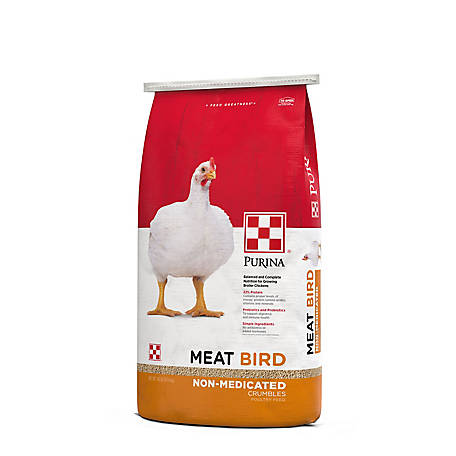
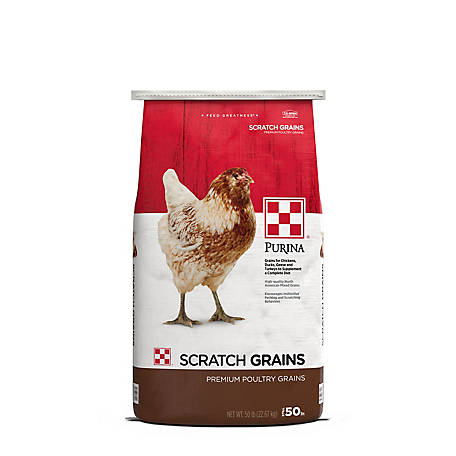
Thankfully, nutritional deficiencies can be avoided by making sure your flock has free-choice access to complete, nutritionally-balanced feed. Chicken scratch or kitchen scraps alone are not considered a balanced diet.

Perosis disease, also known as slipped tendon or chondrodystrophy, is a condition that affects the skeletal development of chickens, specifically their legs. It is a metabolic disorder caused by a deficiency in manganese, which is an essential trace mineral required for normal bone and cartilage development.
In chickens, Perosis disease typically affects young, rapidly growing birds between the ages of 2 to 8 weeks, which are in the critical stage of skeletal development. It is commonly seen in broiler chickens, which are raised for meat production, but can also occur in other types of chickens such as layers or breeders.
The main symptom of Perosis disease is the deformation and weakening of the leg joints, especially the hock joint (the equivalent of the ankle joint in humans). The tendons that hold the joint in place become stretched or slip out of their normal position, causing the affected bird to have difficulty standing or walking. The legs may appear twisted or bent, and the affected chickens often have an abnormal gait or may be unable to walk at all.
Perosis disease is believed to be caused by a combination of genetic and environmental factors. Diets deficient in manganese, or imbalanced ratios of other nutrients such as calcium, phosphorus, and vitamin D, can contribute to the development of Perosis disease.
Prevention and treatment of Perosis disease involve addressing the underlying nutritional deficiencies. This may include providing a balanced diet that meets the specific nutrient requirements of chickens, including adequate levels of manganese, calcium, phosphorus, and vitamin D. Nutritional supplements or additives may be added to the feed to correct any deficiencies.
If Perosis disease is diagnosed in a chicken, early intervention is crucial. Treatment may involve providing supportive care, such as splinting or bracing the affected legs, to help the bird maintain mobility. In severe cases, affected chickens may need to be euthanized to prevent unnecessary suffering.
Good nutrition, proper management practices, and early intervention can help reduce the incidence and severity of Perosis disease in poultry flocks.

Back to Chicken Keeping Resources HOME PAGE

How Long Are Eggs Good For?

The freshness and safety of eggs can vary depending on several factors, including how they are stored and whether they are raw or cooked. However, I can offer you the basic safety guidelines to follow. There is also an easy float test that can determine the age of an egg, so let’s get started.
Fresh eggs (in the shell): Fresh eggs can be stored in the refrigerator for up to 4-5 weeks from the date of purchase. However, it’s best to use them within the first 3 weeks for optimal quality and taste.
Hard-boiled eggs: Hard-boiled eggs, with the shell intact, can be stored in the refrigerator for up to 7 days. It’s important to keep them refrigerated and avoid leaving them at room temperature for too long.
Raw eggs (cracked): If you crack eggs and store them in an airtight container in the refrigerator, they should be used within 1-2 days. However, it’s generally recommended to use fresh, uncracked eggs for the best results.
Cooked eggs (scrambled, fried, etc.): Cooked eggs can be stored in the refrigerator for up to 3-4 days. Make sure to store them in a covered container to prevent cross-contamination with other foods.
Egg dishes (quiche, frittatas, casseroles, etc.): If eggs are used in cooked dishes like quiche, frittatas, or casseroles, they should be consumed within 3-4 days when stored in the refrigerator.

Float Test to Determine Freshness

This is a Simple Way to Determine the Freshness of an Egg
Fill a bowl with water with enough water to fully submerge an egg.
Carefully place the egg in the water until fully submerged.
Fresh Eggs Behave Differently From Older Eggs
Fresh eggs: If an egg sinks to the bottom and lies flat on its side, it is very fresh and safe to eat. The egg yolk will be plump and the white will be thick.
Less fresh eggs: If an egg stands upright on the bottom of the bowl, it is not as fresh, but still safe to eat. The egg yolk may be slightly less plump and the white may be slightly thinner.
Old eggs: If an egg floats to the surface or stands upright on the surface of the water, it is not fresh and should be discarded. The egg yolk will be flat and the white will be watery.

Back to Chicken Keeping Resources HOME PAGE

.

How to Introduce Chicks to a Broody Hen

Putting chicks under a broody hen is a natural way to raise baby chicks. These chicks are called hatch-a-longs. There are a few steps to follow for this to be successful. But keep in mind, there’s no guarantee your hen will accept the chicks, so keep a watchful eye after the introduction.

How To Introduce Hatch-a-Longs to Broody Hen

Make sure your hen is truly broody, which means she is sitting on eggs (or fake eggs) and exhibiting signs of wanting to hatch them. Signs of broodiness include sitting on the nest for long periods of time, puffing up her feathers, and spreading herself over the eggs giving her a flattened appearance. She may be pulling out her feathers for the nest. Important: Your hen needs to be dedicated to her eggs for at least 2 weeks.
Prepare a safe and clean environment: Choose a clean and dry area within your coop or a separate brooding area that is safe from predators, drafts, and dampness. Provide bedding such as pine shavings for the hen and chicks to nest in. A completely enclosed area is best.

The enclosure I use for my broody hen & hatch-a-longs

Purchase day-old chicks preferably, but up to 3 days old is usually acceptable. Place the chicks in a temperature-controlled brooder with access to food & water until nightfall.
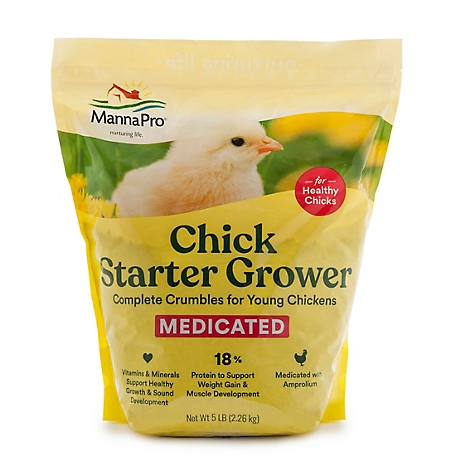
Late at night is best to place chicks under your hen. Broody hens are more receptive to accepting new chicks at night when they are more relaxed and in that weird hypnotic state that occurs after dark. Your chick feed and drinker should be in place at this time. Make sure both are close by and easily accessed by the chicks. Your hen can eat the chick starter, it will be good for her since she probably hasn’t been eating enough while broody.
Tuck the chicks under the broody hen’s wing. If possible, do this in complete darkness to minimize disruption. Avoid disturbing the broody hen too much during this process.
Observe the broody hen and chicks closely to ensure that the hen is accepting the chicks and keeping them warm. The hen’s body heat is crucial for the chicks’ survival, especially during the first few days of their lives.
Continue to provide a safe and clean environment for the broody hen and chicks, free from drafts, predators, and dampness. Regularly clean the bedding and ensure that the chicks have enough space to move around and grow.

Silkie hen & her hatch-a-long

In The Perfect Scenario, What to Expect

By following these steps and providing proper care, the broody hen should take care of the chicks, keeping them warm, teaching them to eat and drink, and providing them with maternal care.
After a Few Days, the hen can be allowed to take her chicks out with the other hens and she will protect them but watch carefully to make sure.
By Week Five or Six, the hen will begin distancing herself from the chicks. Make sure to have multiple feeders & drinkers, as the new birds will surely have to find their place in the pecking order. If there’s going to be drama (expect it) it will be where the food is.
Lastly, have fun, and don’t forget to enjoy the experience.

Back to HOME PAGE