Silkie Bantam: A Complete Guide

Written by a real person & chicken keeper!

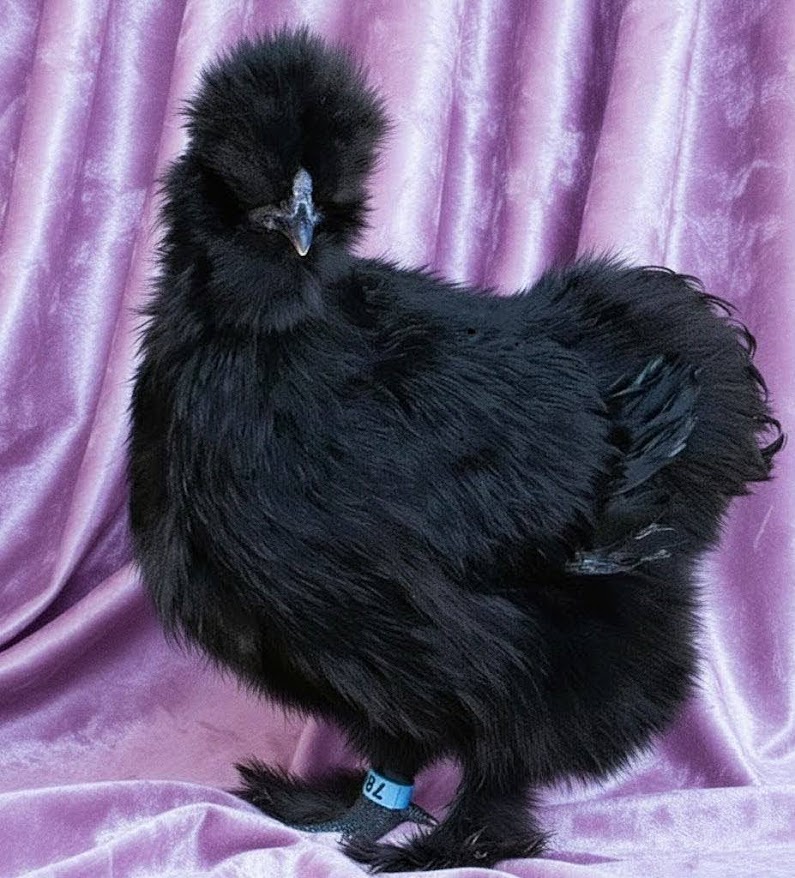
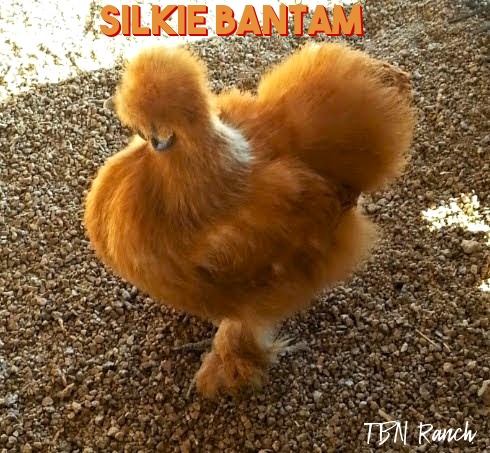
The Silkie Bantam (my personal favorite breed) is a very unique breed, believed to have originated in Asia — possibly China, India, or Japan. Classified as a bantam breed, they are recognized by the American Poultry Association in both bearded and non-bearded varieties, with several accepted colors including white, black, blue, buff, partridge, splash, and gray.
Physical Traits
Silkies are most famous for their signature soft, fluffy, fur-like appearance. Their skin is a black-blueish color, and their comb and wattles are mulberry-colored. Unlike most chickens, Silkies have five toes instead of four. They are small in size, with hens weighing around 2–3 pounds and roosters 3–4 pounds. They lay cream or tinted eggs, producing about three a week, when not broody.  While not prolific layers, they more than make up for it with their exceptional broody tendencies. (broody describes a hen’s natural instinct to sit on eggs and hatch them.)
Temperament
Silkies are extremely gentle, calm, and friendly, especially if they are handled often as chicks. I don’t have much experience with roosters since they aren’t allowed where I live, but sources claim they are usually less aggressive than those of other breeds.
Heat and Cold Tolerance
Silkies require a bit more care in extreme weather due to their feather structure. Their fluffy feathers don’t insulate as well as standard feathers and are not waterproof. In cold weather, they can easily become chilled if they get wet. They tolerate mild cold fairly well if kept dry and in a draft-free coop, but below freezing they need extra protection such as insulation, deep bedding, and careful monitoring for frostbite.
When it comes to heat, many sources claim Silkies struggle in high temperatures. However, I will argue that since I raise Silkies in the desert. With a misting system, a fan, plenty of shade, and a shallow pool, my Silkies have handled temperatures as high as 119 and do remarkably well. In fact, my heavier breeds show far more signs of distress in extreme heat than the Silkies.
Broody Tendencies
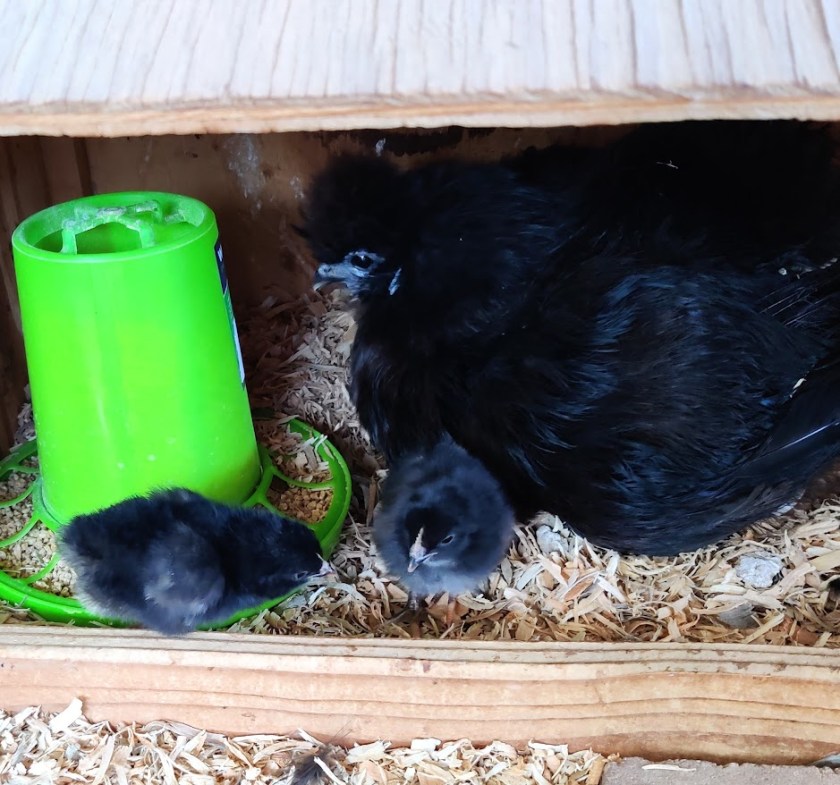
Many hens will go broody multiple times a year, and once they commit, they are determined — even if it means setting on an empty nest. A broody hen will set on eggs for 21 days, raise the chicks for several weeks to a few months, and may start the cycle again shortly afterward. While broody, a hen doesn’t lay eggs, which explains why Silkies produce fewer eggs overall than non-broody breeds. FYI, a broody hen will happily set on and hatch eggs laid by other members of the flock.
Back to HOME PAGE

Silkies, A Unique Breed of Chicken

Silkie chickens are a unique breed of chicken known for their distinct appearance and personality. They are the best breed if you’re looking to hatch eggs because they are excellent dedicated mothers, and you can count on them to be broody many times a year.
Silkies can come in a variety of colors, including splash, white, black, blue, buff, gray, and partridge. Their feathers have a unique fluffy and soft appearance because they lack the barbs and barbules that hold the feathers together in most other chicken breeds. This gives Silkie a distinctive appearance and texture.
Additionally, they have black skin and bones, and their feathers can have a slight iridescence or shine to them.

Here are Some of the Key Characteristics that Make Silkies Different

Appearance: Silkies have a unique appearance that sets them apart from other breeds. They are covered in fluffy, fur-like feathers that feel soft and silky to the touch. They also have black or blue skin, dark-colored meat, and a distinctive crest of feathers on their head.
Personality: Silkies are known for their friendly and docile nature. They enjoy affection and attention and are a great choice for children to raise.
Broodiness: Silkies are known for their broody nature, meaning they have a strong instinct to sit on and incubate their eggs. This makes them popular among backyard chicken keepers who want to hatch their chicks.
Size: Silkies are a smaller breed of chicken, weighing between 2-3 pounds on average.
When it comes to egg production, silkies are not considered to be prolific egg layers.
On average, Silkies lay around 100-120 small, cream-colored eggs per year. As a comparison, the popular Rhode Island Red hen lays approximately 250-300 eggs per year. Keep in mind, egg production for all breeds can be influenced by various factors, such as age, diet, and environment.

Back to HOME PAGE

Silkie Bantam

All About the Beautiful Silkie Bantam

Silkies are a breed of chicken known for their fluffy, soft plumage that resembles fur. They have a distinctive appearance, five toes, and with combs and wattles should be a mulberry color or black. Their beak is usually a blue-gray color. They have black eyes and are described as exotic chickens. They are prized for their soft fluffy appearance and are quite popular in showing and exhibition.
They are known for having a calm and docile temperament, making them a popular choice for backyard flocks. They are a bantam breed, which means they are smaller in size compared to other chicken breeds. Silkie bantams typically weigh between 1.5 and 2.5 pounds. The weight can vary slightly depending on the sex of the bird, with roosters generally being slightly heavier than hens.
Silkies are thought to have originated in Asia, with China being the most likely place of origin. They were brought to Europe in the 13th century by Marco Polo and were later introduced to the Americas by early settlers. They are a hardy breed, able to tolerate cold weather, and can be raised in both free-range and confined environments.
Silkies are not known for being great layers, but I don’t find this to be true. My Silkie ladies lay most every day…. when not broody. They do indeed tend to be quite broody but are very attentive mothers, so they’re a great option for people who are interested in breeding ornamental chickens.

The Silkie chicken breed is available in bearded and non-bearded varieties. The bearded Silkie strain has a muff under the beak which covers the earlobes – this is absent in the other non-bearded Silkies. The Silkie rooster has a circular-shaped comb while the hen has a small, flat comb.
Silkie chickens come in many interesting colors, but accepted varieties include black, blue, buff, and white colors. Splash and partridge are also recognized and accepted APA colors.
Silkies are rather slow to mature, and usually don’t start laying until they reach 6 or 7 months. Eggs are cream in color and are considered small to medium.
Interesting fact: Silkies cannot fly, so roosts in the coop should be positioned low to the ground. You can offer a ladder to a higher roosting bar, but for the most part, I find Silkies prefer to be no more than 2 ft off the ground.

Back to Chicken Keeping Resources HOME PAGE