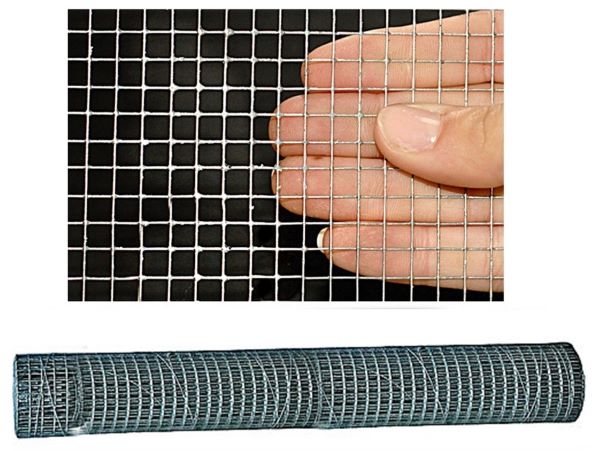
Rats are attracted to food, so the first thing to address is keeping their access to food at a minimum. Don’t leave food in the coop over night, or switch to a feeder that can be closed at night, there are many types to chose from. Feeder Types Like all walks of life, rats need water. Switching to Nipple Drinkers rather than traditional drinkers may be helpful. Not to mention nipple drinkers are healthier since rats carry numerous diseases that can be spread through traditional drinkers. The Exception to the Rule: If you live where temperatures exceed 110 like here in Phoenix, nipple feeders are not recommended. Hydration is imperative, and chickens will drink more if water is kept cooler from a large-capacity drinker. Clean up spilled feed daily, be creative, put something under the feeder to catch dropped feed so it’s easy to clean up. Make sure there are no eggs in the nest boxes overnight. Rats love to find eggs, so don’t invite them for a late night snack. Switch to layer pellets rather than crumbles, it’s less messy and easier to clean up what gets dropped or scratched out of the feeder. Keep all your feed and supplements in a metal trash can. Use a bungee cord to hold the lid down tight. Don’t use anything plastic, rats will chew through it like it’s made of paper. Replace any chicken wire on your coop with hardware cloth. Bury hardware cloth at least a foot all around the coop to detour rats from digging into the coop. Place flagstone or bury hardware cloth around the entire perimeter of the coop to help prevent digging. Patch all holes or crevasses in the coop.
Hardware Cloth
What About Repellants?
Do they work? The simple answer is not really. Mint, peppermint, essential oils, etc., all have little effect on detouring rats. Some essential oils are toxic to chickens so I would advise you to avoid them completely. Of course, I hope I don’t even have to say that rat poison is totally out of the question for obvious reasons.
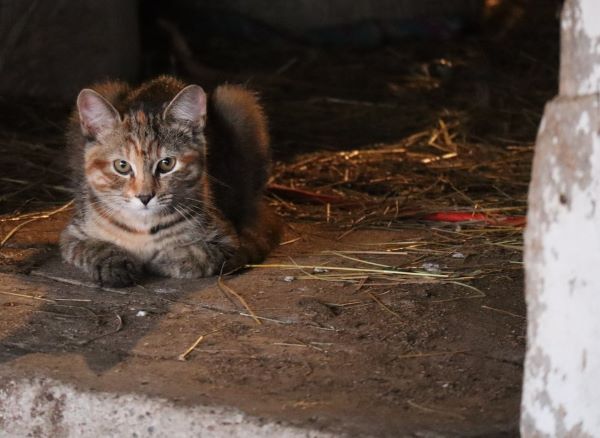
So What Does Work? A Natural Predator!
There are lots of shelter cats looking for a job! Adopt
The predatory behavior in cats can be quite effective in controlling a mice & rat problem. They are natural hunters and have an instinctual drive to chase and catch small animals.
by amy elizabeth Retired N.D.G.A.A. Certified Professional Pet Stylist
First of all, I prefer Pet Stylist, since today’s grooming industry frequently includes a cat clientele. Grooming cats is usually not a mandatory skill required for employment, but it definitely is a bonus on your resume and your paycheck. Job Training Options There are Pet Grooming Trade Schools all across the Nation, some are accredited, some not. Some with financial aid, most without. The course varies in length, 16 weeks is the overall average. Expect hands-on training, breed study, handling techniques, terminology, and the basic grooming tools of a professional Pet Stylist. After training, you will still need to work closely with experienced groomers and continue training for at least two years. Learning to groom at a pet salon as an apprentice is also a common way to learn. For instance, Petsmart offers a training program. However, fair warning, there are going to be a few hoops to jump through for the opportunity. Is it worth it? In my opinion, yes. If you’re willing to learn, and the groomers are talented, you will acquire the skill level of a professional pet stylist over time. Pet Salons often use bathers, what a great way to get your foot in the door and a clipper in your hand. Are Groomers Licensed? There are no laws in place requiring a Pet Stylist to be licensed. However, there are optional certification test sites across the U.S. where a stylist can earn the prestigious title of Certified Master Groomer. This is highly recommended after five years of field training. These credentials most definitely are an asset in the job force, often earning a 10% pay increase. How Much Money Can a Pet Stylist Earn? The question is, how much money do you want to earn? Groomers work on commission, never salary. The average commission rate is 50% of the grooming charge. However, certified or veteran groomers are often paid 60%. Grooming is a service, therefore tipping is customary. Tips can vary greatly, but on average, they are between $5. and $10 per pet. * Commission workers are not independent contractors, taxes are deducted from payroll earnings. A seasoned groomer can groom a dog in about an hour and fifteen minutes from start to finish. Some pets require less time, others more. But no matter how you slice or dice it, at the end of the day, it all averages out to one dog an hour. The average base price of grooming a dog is between $55. & $85+ The average base price of grooming a cat averages $75+ Earning potential: Depends on how many dogs you groom on average. $35,000 – $50,000 is approx. annually. * base price means no extra charges for special services. It is customary for pet stylists to maintain their tools and provide their grooming products, but shampoo, etc, are supplied by the salon. Are There Benefits? Yes and no, more no than yes. Large companies such as Petsmart, Petco, and some veterinary hospitals offer benefits to full-time employees only. That means you will put in your time, even if when you haven’t any grooming appointments. Independent pet salons such as the ones you see in shopping centers rarely offer insurance, paid vacation, or sick days. There are certainly drawbacks to both, but you do have the option to choose freedom and flexibility – or the corporate ball and chain. Pros & Cons of the Job Let’s begin with the positive side of becoming a Pet Stylist. Having the ability to control your financial earnings. Minimal schooling to learn a trade that pays well. Flexible work schedules. Jobs are easy to find, anywhere. Employment opportunities offer choices: mobile vans, veterinary hospitals, boarding facilities, and pet salons. Starting your own business isn’t out of reach. Whether or Not There is a Negative Side Only You Can Decide This career is definitely not for everybody, and this is why… You will need the patience of a saint, working with animals can be extremely frustrating. Not all pets are willing to stand quiet for grooming and are often aggressive. You will be pooped on, peed on, and no matter what precautions you take, occasionally bit. You will be under constant pressure to finish each appointment on time. This is a DIRTY job. Expect to be covered in dog hair, dander, drool, and who knows what else. It is your job to rid dogs of fleas and ticks using product, then picking off all the ticks with tweezers. This is back-breaking, strenuous hard work where heavy lifting is an everyday occurrence. Before you decide to put your money, time, and effort into learning any new trade, it’s important to ask yourself one very important question. Is it the right job for you? I hope I’ve given you all the facts to help you make that decision. If you’re still interested in becoming a Professional Pet Stylist, then you truly have the special qualities that will provide both personal and financial rewards.




 TBN Ranch Chicken Keeping Resources