Coyote Visits, Ends in Disaster at TBN Ranch

Dead, missing, and terrified chickens. A scenario more disturbing than any horror flick could ever portray. Some of my birds were just killed, others eaten with nothing left of their existence but a pile of feathers. Coyotes, no doubt. They don’t just take what they need to satisfy hunger, they kill just to kill, and often in large numbers.
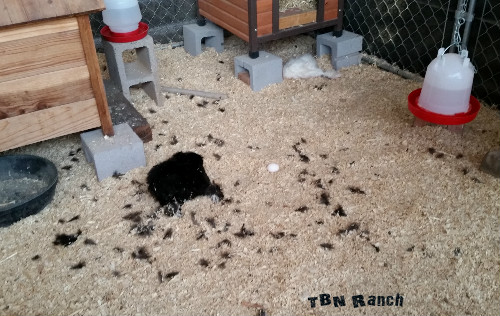
So how did this happen? I’ve written time and time again about how to protect a flock from predators. Unfortunately, I failed the simplest and most important step of all… to close the coop door at night.  I was tired, fell asleep and just plain forgot.  My fault, and I’m fessing up because I want everybody to remember that it only takes one time of neglect for something like this to happen.
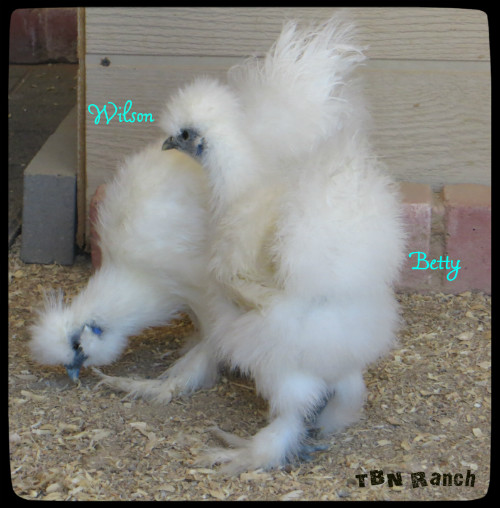
All my young Silkie pullets, one hen, and Wilson, my rooster are gone. So sad, this will never, never, never happen again.

Back to HOME PAGE

About Free Range Chickens, Pros and Cons

Should-I-Free-Range-My-Chickens-Blog-Cover
by The Happy Chicken Coop

Many people ask if it’s safe to free range their flock. As with most questions, there is no simple yes or no. To really answer this question you need to understand the pros and cons of free ranging your hens. Continue Reading

Back to Chicken Keeping Resources HOME PAGE

An Injured Chicken Among the Flock is Asking for Trouble

What to Do, and Why…

Something as simple as a drop of blood from even the tiniest injury to a chicken can cause real chaos among a flock. So this morning I had an extra chore to attend to… and fast. As creepy as it sounds chickens are indeed cannibals, it’s important to #1 clean up an injured bird that is bleeding, and #2 isolate the bird until there is no sign of injury.
Wilson, my young Silkie rooster was spooked by a bag of shavings set near the coop. He caught his foot in the interior wire mesh causing minor bleeding.  This was reason to quickly remove the bird, clean the wound and any remaining blood on the feathers. Even docile friendly members of a flock will be attracted to blood and peck the area. This will only make the situation worse. Once chickens get a taste of blood they are relentlessly drawn to get more.
After a semi-bath, Wilson is in a separate coop where he will stay for a few days until there is no sign of injury. Stay on top of potential problems. It’s always easier to address problems as they arise, ignore them and they only escalate into into a bigger one.
Three days later…
Reunited with friends, Wilson is healed, happy, and has the cleanest feet in the flock!

White Silkies 21116
Back to Chicken Keeping Resources HOME PAGE