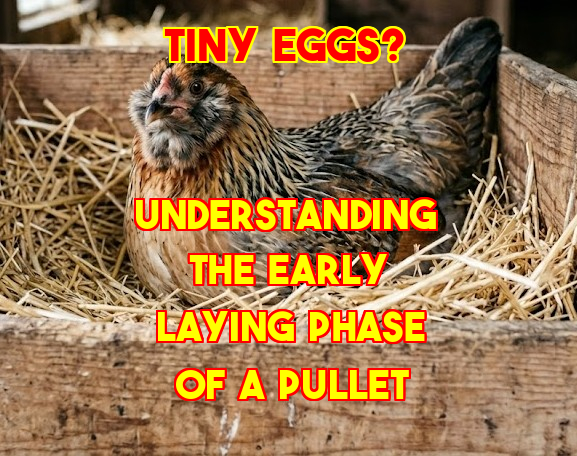
Tiny Eggs? Understanding the Early Laying Phase of a Pullet

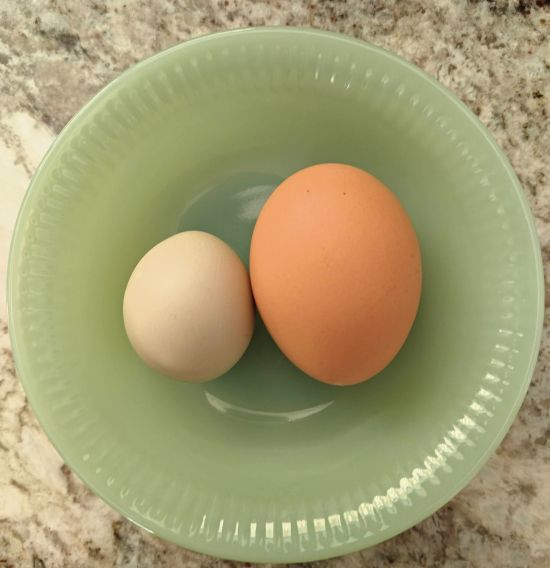
It’s perfectly normal, and quite common, for a young pullet (under a year) to lay small or weird shaped eggs. At this age, she is just beginning her laying journey, and these small, (sometimes) yolkless first attempts are known as “fairy eggs.” This happens primarily because her reproductive tract is a complex assembly line that hasn’t been finely tuned yet.
While your pullet may look like an adult, her oviduct is still physically maturing. As she develops over the next several weeks, her body will become more efficient at processing bigger eggs.
Generally, tiny eggs are no cause for concern as long as your pullet is bright, alert, and eating normally. You should see a noticeable increase in egg size in due time. Keep in mind that most pullets don’t reach their maximum egg size until after their first adult molt. To support her as her production ramps up, make sure she has access to a high quality layer feed and a separate dish of oyster shell for calcium.
Back to HOME PAGE

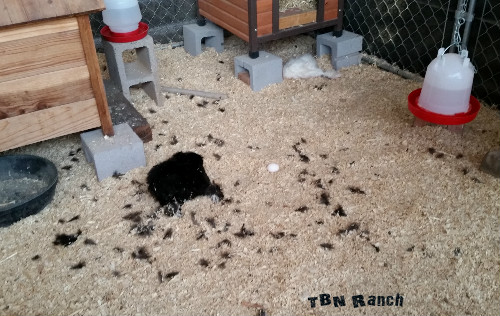
Coyote Visits, Ends in Disaster at TBN Ranch

Dead, missing, and terrified chickens. A scenario more disturbing than any horror flick could ever portray. Some of my birds were just killed, others eaten with nothing left of their existence but a pile of feathers. Coyotes, no doubt. They don’t just take what they need to satisfy hunger, they kill just to kill, and often in large numbers.

So how did this happen? I’ve written time and time again about how to protect a flock from predators. Unfortunately, I failed the simplest and most important step of all… to close the coop door at night.  I was tired, fell asleep and just plain forgot.  My fault, and I’m fessing up because I want everybody to remember that it only takes one time of neglect for something like this to happen.
All my young Silkie pullets, one hen, and Wilson, my rooster are gone. So sad, this will never, never, never happen again.

Back to HOME PAGE

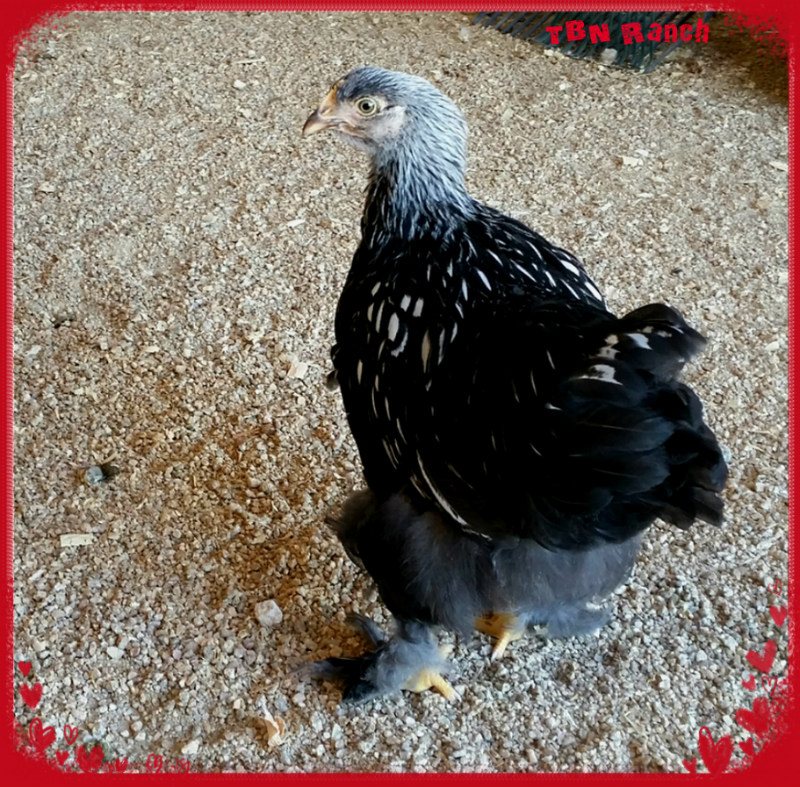
Standard Silver Laced Cochin Pullet

Three Months Old

Silver Laced Cochin 800 112015
Back to Chicken Keeping Resources HOME PAGE