A Little Bit of Country in the Big City

Our little hobby farm was once tucked away in a quiet corner of Phoenix, but over the years, the city has grown around us, bringing many changes. Housing developments and businesses have increased traffic, and the once-tranquil surroundings are now filled with the constant hum of a nearby freeway—a freeway that didn’t even exist when we first bought this property. We also live near what was once a small airport, which has since grown into one of the busiest in the country. As a result, overhead air traffic and noise have become part of our daily lives.

Our hobby farm

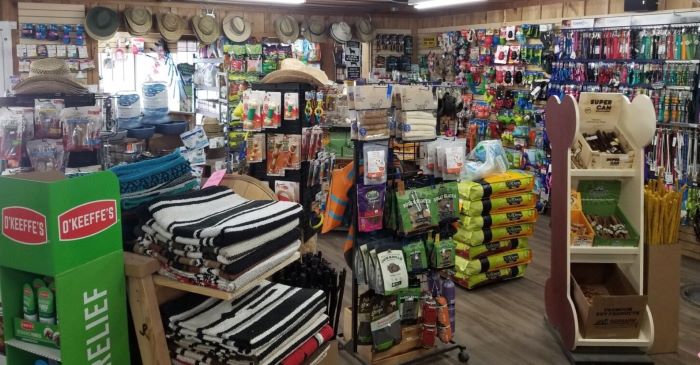
Yet, amidst all this change, our little hobby farm remains much the same. We still raise chickens and visit the local feed store, a community staple since 1966. Walking into the store feels like stepping back in time, with the scent of fresh hay and grain in the air, friendly faces, and free-roaming feathered friends adding to the charm.

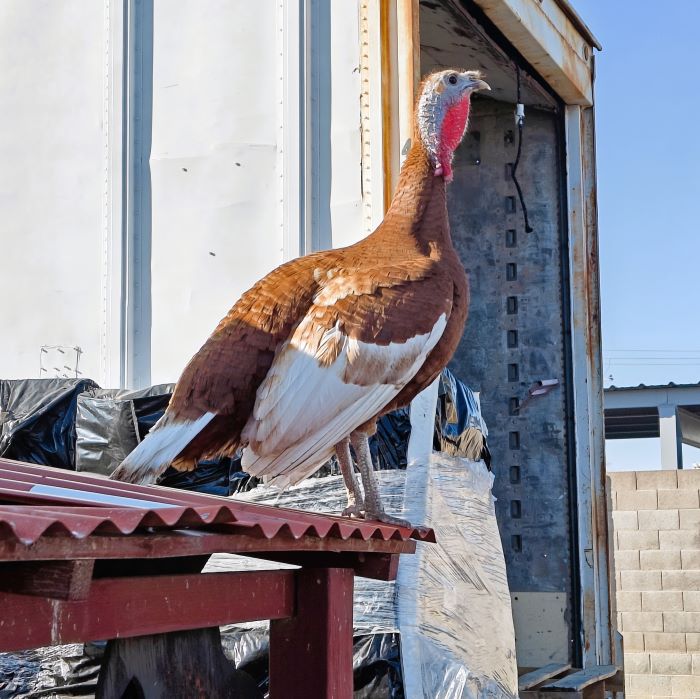
One of those friends is a regular at the feed store—a large turkey who follows me around and always makes me feel welcome. He’s often in the way, taking his sweet time strutting in front of my truck—especially when I’m in a hurry. Guinea hens perch on the rooftops like vigilant security guards, while the resident chickens entertain with their antics in a unique rustic enclosure.

Back to HOME PAGE

How to Buy Healthy Chicks from a Feed Store

Be an Informed Buyer, Ask Questions, Recognize Signs of Poor Health

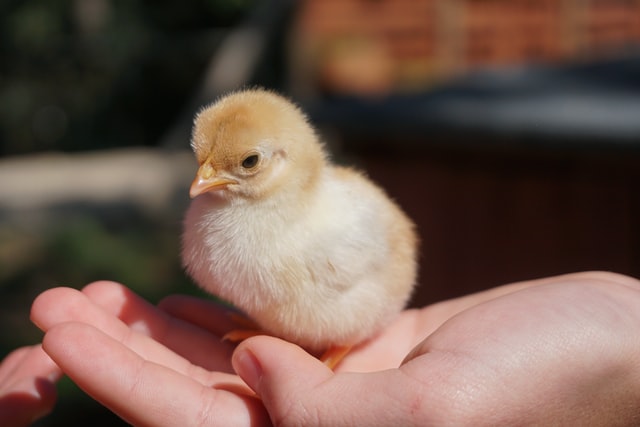
It’s Spring and you might have buying baby chicks on your mind. This is when the feed stores have all those cute fuzzy butts available, and they certainly are hard to resist. Nothing wrong with being an impulse buyer in my book, but at least be an informed one!
There are things to look for, and of course, you want to bring home healthy chicks. Once you leave the store, there’s no turning back, whatever chick problems you have, you’re stuck with, sorry, no returns.
Ask Questions
It’s good practice to ask the store manager when they received the chicks. Most likely the chicks were in transport before their arrival. During that time, chicks can become dehydrated, stressed, and kept too cold or hot, all compromising a chick’s survival. Most chicks in poor health will die within the first two days of their life. You’ll want to avoid buying chicks until they settle in at least 3-4 days after transport.
Marek’s disease is extremely contagious among chickens and usually fatal, so always make sure the chicks you buy are vaccinated at the hatchery.

Choosing Healthy Chicks

You’ll want to see active chicks, some resting, others eating & drinking, and some under a heat source. This is normal behavior. Avoid chicks that are all huddled together, or lethargic.
Eyes should be clear, and you don’t want to see any signs of fecal impaction, better known as pasty butts, Learn More.
The beak, top, and bottom should be even, there shouldn’t be an overbite, or cross-over which may interfere with proper eating.
Legs should appear sturdy and straight.
Chicks will be fuzzy all over, avoid those with sparse or missing fluff.
Prepare
Have your brooder in place and ready to go before you bring home your baby chicks, it’s important to make their once again transition easy as possible. The brooder box should be the right temperature with bedding, a heat source, and food/water in place.

Back to Chicken Keeping Resources HOME PAGE