Rant: Calling Out Poor Chicken Keeping, Because It Matters
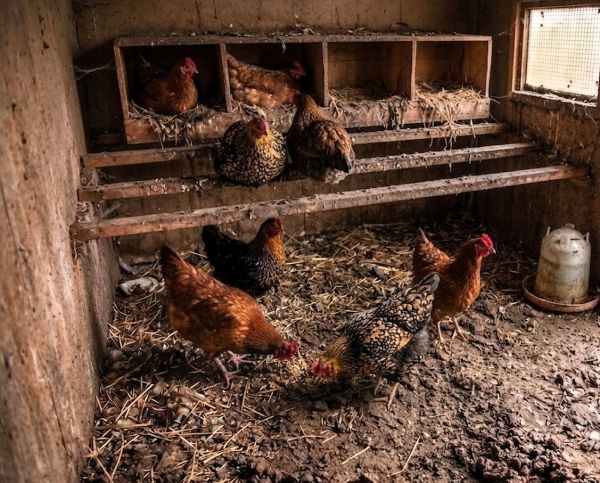
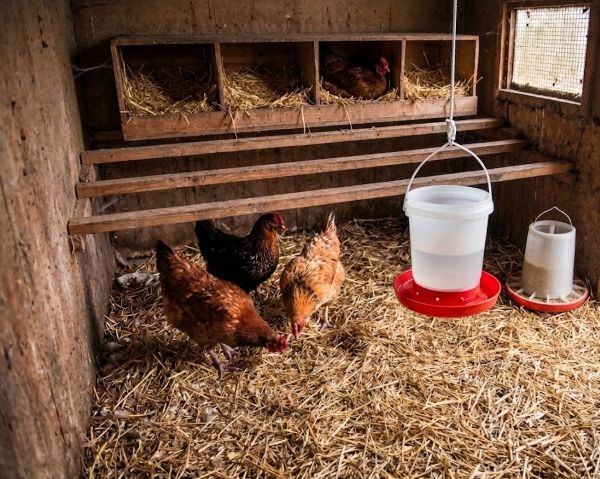
 It doesn’t take long browsing photos of backyard chicken coops online to notice a pattern that’s hard to ignore. I’m seeing far too many coops that are disturbingly filthy. Roosting bars layered with droppings, dirty bedding, nest boxes caked with droppings, and feeders and waterers so crusted with mud and buildup they look like they’re rarely, if ever, scrubbed clean.
Then come the posts from panicked chicken keepers asking why their hens are sick, not laying, have feather loss, or simply “not thriving.” The connection is often obvious, it’s just not acknowledged.
A clean chicken coop is not about appearances. It is the foundation of your flock’s health.
Chickens live their entire lives in close contact with the ground beneath them. When waste is allowed to build up, it creates an environment where rodents, bacteria, parasites, and moisture thrive. Over time, that environment begins to work against the birds. Respiratory irritation, infections, and chronic stress don’t usually appear overnight, but they develop steadily when basic cleanliness is neglected.
If there’s one standard worth holding to, it’s this: if a coop looks dirty, it is. Keeping it clean isn’t extra work, it’s the job. And it’s a job that requires commitment in the heat of summer, during wind and rain, and in the bitter cold of winter.
“Learn as You Go” Isn’t the Right Approach
I’m also seeing an alarming number of new chicken keepers who haven’t done their homework before bringing home chicks. Deaths from preventable issues, like fecal impaction or the use of excessively high-wattage heat lamps hung too low in small spaces, are far too common. Coops are often bought or built far too small for the number of birds, and overcrowding not only causes behavioral problems but also contributes to numerous health issues.
A too-small coop isn’t the only problem. Proper predator-proofing is essential in chicken keeping, and understanding what that actually entails requires serious effort. When a coop isn’t properly secured, predators will find a way in. And when they do, the result is devastating and heartbreaking. These are hard lessons, and they can come at the expense of an entire flock. Many people assume it won’t happen in their backyard. Trust me, it will
Respect your birds enough to do the work; their health, their safety, and their lives depend entirely on the standard you choose to set.



 TBN Ranch Chicken Keeping Resources