Eatwild was founded by Jo Robinson in 2001 to promote the benefits—to consumers, farmers, animals, and the planet—of choosing meat, eggs, and dairy products from 100% grass-fed cows, sheep, goats, and deer (“ruminant” animals), or pigs and poultry (“non-ruminants”) raised on pasture rather than in confinement. Eatwild.com is now the #1 clearinghouse for information about pasture-based farming and features a state-by-state (plus Canada) directory of local farmers who meet Eatwild’s criteria and sell their products directly to consumers. Many can also ship or deliver their products to you.
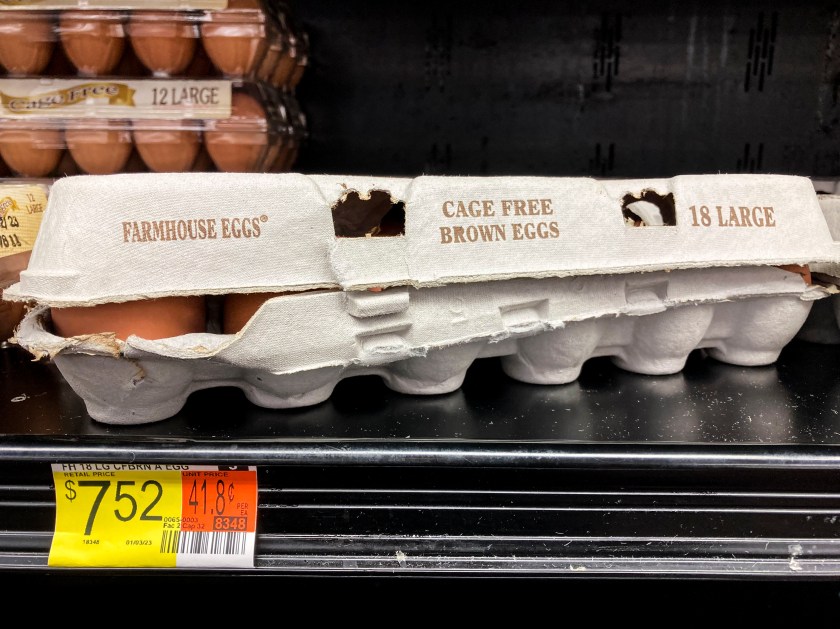
It can be a bit confusing buying eggs these days, lots of different labels, and prices too! Each label indicates something different about the way the eggs were produced, here’s a breakdown of what the most common labels mean. Organic:In order for eggs to be labeled as “organic,” the hens that laid them must be raised according to certain standards. These standards include being fed an organic diet, having access to the outdoors, and being raised without synthetic pesticides or fertilizers. Cage-Free: This label means that the hens that laid the eggs were not raised in traditional battery cages, which are small wire cages stacked on each other. However, it does not necessarily mean that the hens had access to the outdoors or were raised according to any specific standards. Free-Range: This label indicates that the hens had some access to the outdoors. However, the amount of time they are allowed to spend outside, and the size and quality of the outdoor space can vary. Pasture-Raised: This label indicates that the hens had access to the outdoors and were able to roam and forage on a pasture. Omega-3 Enriched: This label indicates that the hens were given feed that is supplemented with omega-3 fatty acids, which can contribute to the nutritional content of the eggs. Vegetarian-Fed: This label indicates that the hens were not given any animal byproducts in their feed and were only given a vegetarian diet. No Hormones: This label indicates that the hens were not given any hormones to boost their egg production. This is not a requirement for all egg producers, as the use of hormones is already prohibited in egg-laying hens in the United States. No Antibiotics: This label indicates that the hens were not given any antibiotics, either to prevent or treat illness. This is not a requirement for all egg producers, as the use of antibiotics is regulated by the FDA. Battery: This term refers to the traditional method of raising hens for their eggs, in which they are kept in small, crowded wire cages. This method is now illegal in some countries but is still used in others. (Most commonly found on the grocery shelf at the lowest price). Note: It’s important to note that these labels are not necessarily regulated in the same way in all countries, so the conditions in which the hens were raised may vary depending on where the eggs were produced.


 TBN Ranch Chicken Keeping Resources