RIP Silk, I Will Miss Your Fluffy Butt

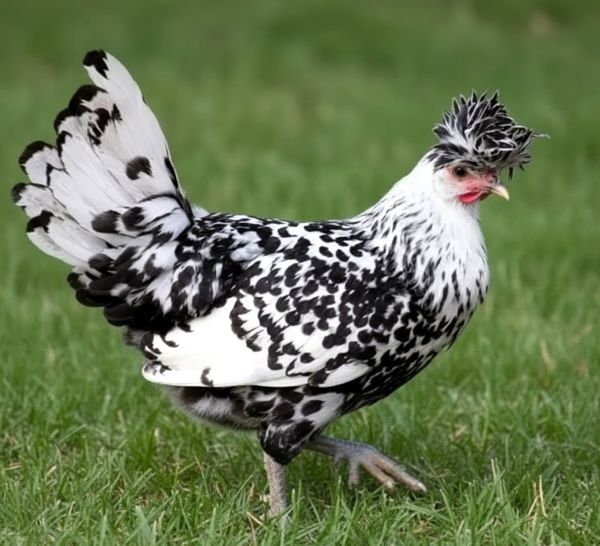
Silk, my Silkie Bantam hen, has passed away at five years old. There is comfort in knowing she wasn’t alone, didn’t suffer, and her last experience was one of warmth and familiarity being held lovingly in my arms.

My farm cam captured this moment… not the best pic, but still grateful for it.
Silk
Back to HOME PAGE

No Heat Required: Keeping Chickens Safe and Comfortable in Winter

Chickens Are Built for the Cold, But Proper Shelter is Key

As temperatures drop, it’s common for chicken keepers to wonder whether they should add heat to the coop. In most situations, the answer is no. Healthy adult chickens are surprisingly cold-hardy and don’t need supplemental heat to get through winter. Their feathers provide excellent insulation, and they stay warm by fluffing up and roosting together. When we add heat, we prevent chickens from fully acclimating to cold weather, which can make them more vulnerable if the power goes out or the heat source suddenly fails.
The Danger of Heating a Coop
Safety is another big reason to skip added heat. Traditional heat lamps and space heaters are one of the leading causes of coop fires. With bedding, dust, feathers, and curious birds, the risk of accidents is real, and most coop fires happen at night. Even without a fire, heated coops can cause problems. Sudden temperature swings, like stepping from a warm coop into freezing air, increase the risk of frostbite and respiratory illness.
Radiant Heat Panels: Safer, But Still Usually Unnecessary
Radiant heat panels are often marketed as a safer option, and compared to hanging heat lamps, they can be lower risk. They don’t have exposed bulbs and provide gentle warmth instead of heating the entire coop. In special situations, such as caring for chicks, injured birds, or ill chickens, radiant heat can be helpful as a temporary, medical support tool. For most healthy adult flocks, however, they aren’t needed. They still rely on electricity, can fail unexpectedly, and may prevent chickens from fully adapting to winter temperatures.
What Really Matters is Ventilation
What matters far more than adding heat is a coop that’s dry, draft-free, and well ventilated. Cold air by itself isn’t the enemy, moisture is. Without proper ventilation, moisture from breathing and droppings builds up overnight, leading to frostbite, ammonia odor, and respiratory problems. The goal is to block direct drafts at roost level while allowing airflow above the birds’ heads, keeping bedding clean and dry all winter long.
Focus on good coop design, proper airflow, and overall flock health, and your chickens will come through winter just fine without added heat.

Cold Doesn’t Kill Chickens, But This Definitely Will

Back to HOME PAGE

What Beginners Should Know Before Buying A Chicken Coop

Learn From My Mistakes, Don’t Cut Corners

Let’s get into the honest, practical nitty-gritty of the biggest mistake I made when I started a backyard flock, and that’s the actual coop setup. Most of us (including me) start with something affordable and minimal, trusting the manufacturer’s idea of what “proper housing” is for six chickens. But here’s the honest truth: those coops are always way too small, cheaply built, and a nightmare to keep clean. I learned this the hard way, through multiple costly upgrades and the hassle of modifying existing set-ups.
So what is the right coop? This is an example of a good start for 6 chickens, and if your flock grows it can easily be modified by attaching a covered run.

Let’s get real, six chickens almost never stay six. That’s just a fact. So either buy bigger than you think you need, or choose something you can modify as your flock grows. A covered, enclosed, predator-proof outdoor space isn’t just a luxury, it’s essential for the safety of your flock and to keep harmony among the flock.
Crowded housing is a recipe for trouble. I didn’t understand the pecking order at first, and I quickly learned how harsh it can be for timid hens at the bottom.
Tip: What really helped reduce social bullying was providing multiple drinkers, feeders, and nest boxes so everyone had equal access.
Another option for choosing the right coop is researching companies that build coops to your exact specifications. That’s what I eventually did, and although a bit spendy, it was absolutely worth it. Of course, if you’re handy, building your own coop can be a fun and rewarding project.
There’s no hurry, take your time, be creative, and most importantly, enjoy the process. Half the fun of keeping chickens is enjoying the entire experience, start to finish. Don’t be delusional, there is no finish, chicken keeping is an endless work in progress! But it’s the fun kind.

Collection of Coop Designs

To help you choose a chicken coop, I’ve put together a Pinterest collection of Coop Designs and Set-up Ideas so you can research what works best for you.


About Custom Coop Builders

This is my custom chicken coop. It was originally covered pens for 3 horses, but I had it fully enclosed with 2×4 framework, hardware cloth, and shade cloth added to the east and west sides. The project was done by San Tan Valley Coops, and although they’re based in Arizona, they also work outside the state. You can contact them for more information about shipping. They can build any coop, in any size, exactly the way you want it.

TBN Ranch

Back to HOME PAGE