Preparing for Baby Chicks

A Detailed Check List of Everything You’ll Need

Before you bring home your baby chicks prepare an area to keep them. Maybe a garage, shed, or any place where the chicks are protected from inclement weather or drafts.
The Basics
A Brooder
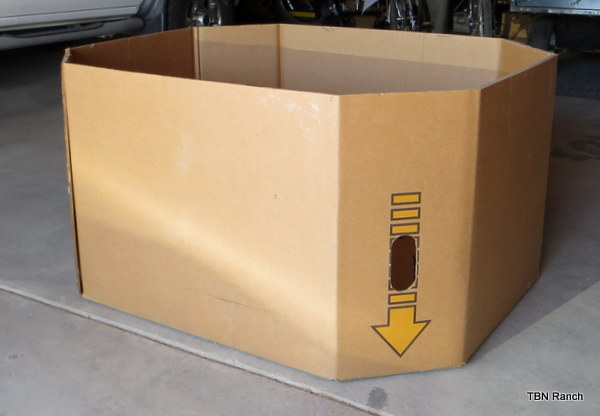
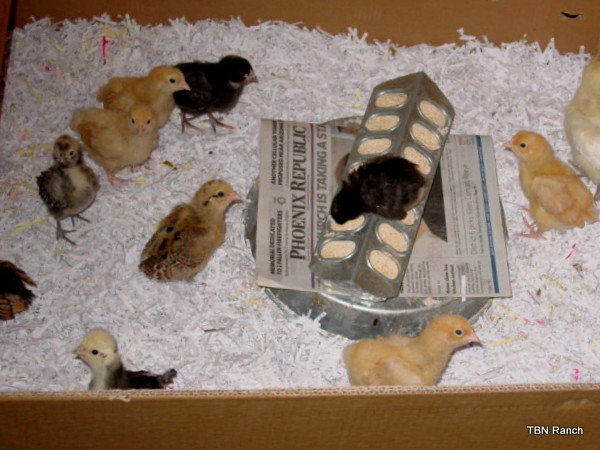
This is simply a container worthy of containing the chicks for the first 4-6 weeks. The sides should be about 12 to 15 inches high, the taller the brooder is, the less likely you’re going to have a problem with chicks escaping when they become more active. Brooder Ideas
Thermometer
This is important to monitor the temperature in the brooder. Any outdoor type that is easy to read is sufficient.
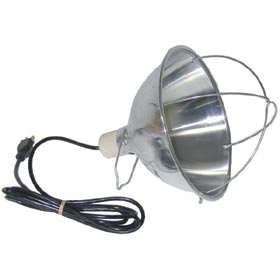
Brooder Lamp (and something dependable to hang it from)
The hanging type will allow you better control of temperature. You’ll want the ease of lowering or raising the lamp for more or less heat. Most feed stores carry both brooder lamps and bulbs. Although the bulb color of choice by chicken keepers is a controversial one, I prefer and recommend the RED bulb.

*Today it is better advised to use Radiant Heat.

Feeder & Drinker
Choose both that are made for chicks, they are designed not only for their convenience but safety too.
Bedding
Shavings are usually the bedding of choice.
Feed
Most commonly called Chick Starter feed. They’re going to be on this food for the next 5-7 months or their point of lay, so don’t be afraid to buy a 50lb bag. It won’t be the last bag you buy!

The Extras to Make Caring for Your Chicks Easier…

Paper Towels
Many chicken keepers like to use paper towels for the bottom of the brooder for the first week or two.  I don’t, and all is fine… your choice.
Medium Trash Can (2)
A convenient way to make cleaning less of a chore. Keep it handy by the brooder.
It’s nice to keep your feed in one too, bagged feed can be a big mess to clean up if it falls over.
Bucket
To dump out the drinker waste, rather than refilling the whole waterer ten times a day.
An extra small brooder box in case you have to isolate or doctor a chick.
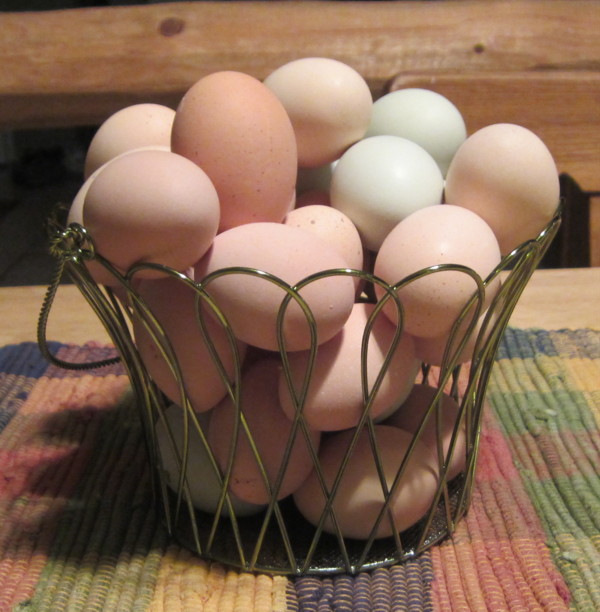
It’s a Little Work but There’s a Reward
Back to HOME PAGE

Chicks and Brooders

What is a Brooder?

A brooder is a heated container that has a temperature-controlled area. It’s used to confine chicks until they are old enough to go outside.
You can make or buy one, other than a few mandatory basics, it’s up to you to research and find what setup works best for you. It’s always important to plan ahead and have the brooder completely prepared for new chicks before they arrive.
It’s not necessary to spend a lot of money on a brooder, what you can make functional with scrap material is always the most rewarding. You can view MANY brooder types HERE

Back to HOME PAGE

Choosing a Good Laying Hen

Leghorn / Hen: 4 pounds

The best egg layer and the feed-to-egg conversion ratio are excellent, holding down the cost of egg production. These birds start laying earlier than most at 41/2 – 5 months and on average lay 10 -12 weeks longer than most good laying hens. If you’re looking for the breed that’ll give you the most eggs of superior quality in the smallest amount of space, consider the Leghorn.  They are a white egg layer of top-grade eggs with good size.
Although these birds aren’t usually found in your local feed store, you can ask a feed store to order them for you when THEY buy chicks, they’re often willing to oblige.

Rhode Island Red / Hen: 6 lbs.

Martha & Michelle 2010

R.I. chicks are readily available in almost all feed stores. They are excellent layers of sizable brown eggs. They do quite well in confinement but can be a bit bossy.  These dual-purpose heavy birds are a dark mahogany color and have earned their reputation as a favorite among chicken keepers for years.
No other heavy breed lays more or better eggs than the Rhode Island Red.

The Dominique / Hen: 5 1/2 pounds

Mamma, Dominique

This is one of my favorite breeds on the farm. They are hardy in extreme heat, confine well, are extremely docile, friendly, and brown egg layers. You can expect the Dominique to lay every other day, and here in Arizona mine lay most all winter.
My Dominique hens are non-aggressive to other members of the flock, and I’ve introduced new birds with only minor confrontations.
This particular hen is now three years old and still laying quality eggs every other day.
More Options…
You can also buy pullets (hens at their point of lay) if you want to skip raising chicks altogether. Check your local Craigslist under Farm & Garden, you may find just the breeds you’re looking for right in your neighborhood. Expect to pay $15 to $25 each. Beware of buying chicks though… they’re usually not sexed and you might end up with a rooster, finding yourself in violation of most local city codes.

Back to Chicken Keeping Resources HOME PAGE