Andalusian Breed Characteristics

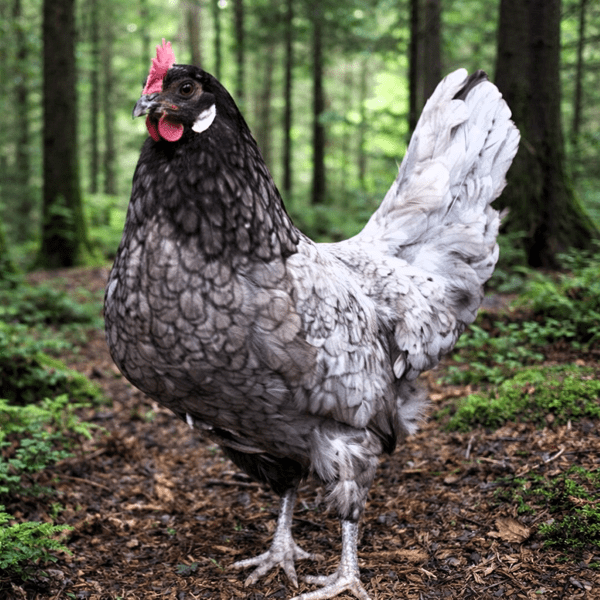
The Andalusian chicken originated in the Andalusia region of Spain and is one of the classic Mediterranean breeds. It is best known for its striking blue plumage and elegant, upright carriage.
In appearance, Andalusians have slate-blue feathers with darker lacing, though color can vary. When bred, blue birds typically produce a mix of blue, black, and splash offspring. They have large single combs and bright red wattles, slate-blue legs, a slim Mediterranean body type, and reddish-bay eyes.
They are a medium-sized breed.
Roosters generally weigh about 6 to 7 pounds, while hens weigh around 4.5 to 5.5 pounds.
Andalusians are good layers of white eggs, producing roughly 160 to 200 eggs per year. They are not known for broodiness, so hens rarely sit on eggs.
In temperament, they are alert, active, and somewhat flighty. They tend to be more independent than cuddly and are not usually considered docile pets, though they are typically not aggressive.
The breed is well suited to warm climates and tolerates heat very well. Because of their large combs, they are less cold-hardy and can be prone to frostbite in freezing conditions unless protected.
They are excellent foragers and thrive when given space to roam. Dry conditions suit them best.

Back to HOME PAGE

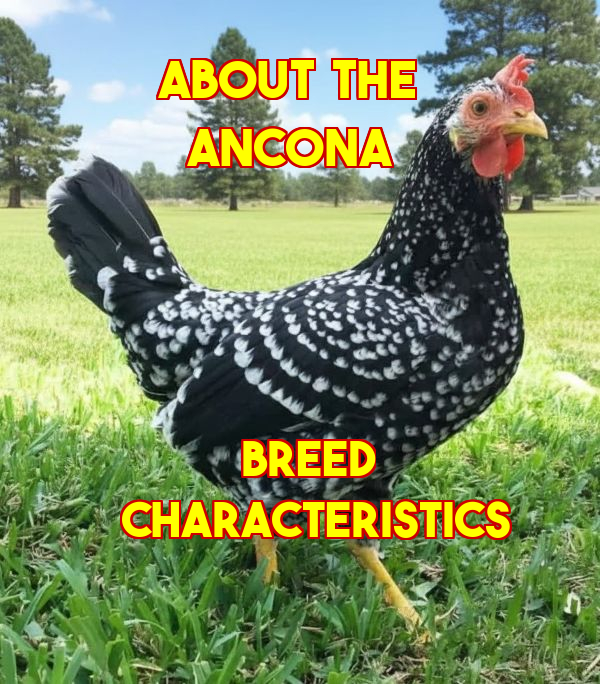
Ancona Breed Characteristics


Primary purpose: Egg laying
Eggs: White; prolific (often 4–6/week)
Size: Medium
Rooster : 6 lb (2.7 kg)
Hen : 4–4.5 lb (2–2.5 kg)
Plumage: Black with white mottling (white-tipped feathers increase with age)
Comb: Single or rose (both accepted)
Legs & skin: Yellow (often dark-mottled legs)
Earlobes: White to cream
Temperament: Alert, active, independent; not typically cuddly
Foraging: Excellent; thrives free-ranging
Broodiness: Rare
Hardiness: Robust and adaptable; single combs can be frost sensitive
Noise level: Moderate

Temperament & Behavior

Active & alert: Anconas are lively, energetic birds that love to forage and explore.
Flighty Nature: They’re good flyers and can easily fly fences if not confined.
Space needs: Prefer plenty of space and freedom to range.

Back to HOME PAGE

Definition of Ornamental, Exotic, and Designer Chickens

What’s the Difference & Where to Find Them

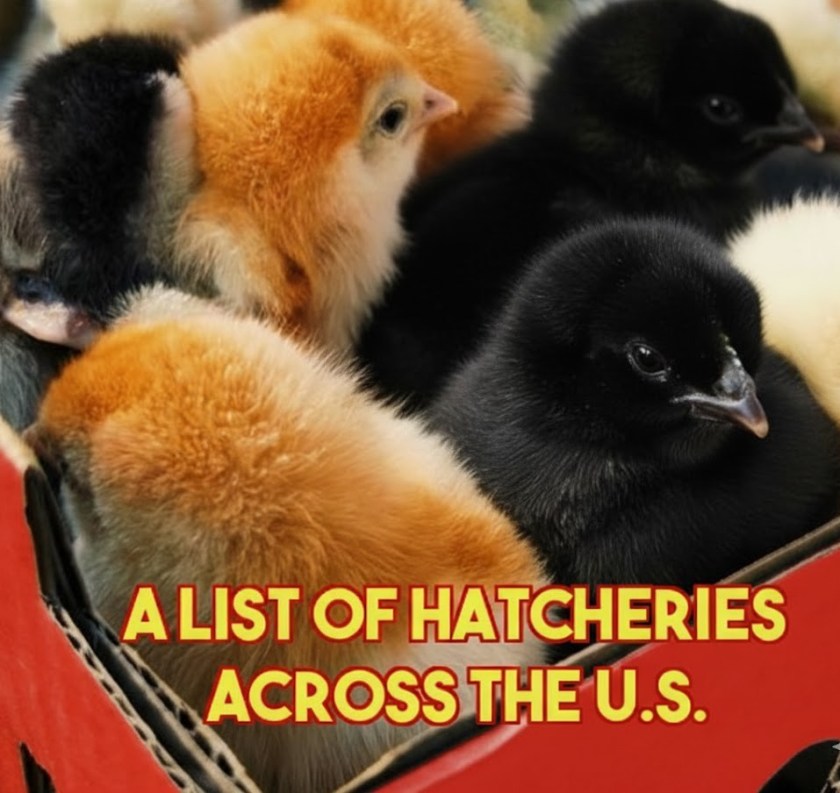
Not all chickens are bred just for eggs or meat, some are raised for their beauty, uniqueness, or both. You’ll often hear the terms ornamental, exotic, and designer used to describe different kinds of specialty breeds. You’ll find a link below to help direct you to U.S. based hatcheries who may have these special breeds available.
Here’s what sets these specialty breeds apart:
Ornamental Chickens
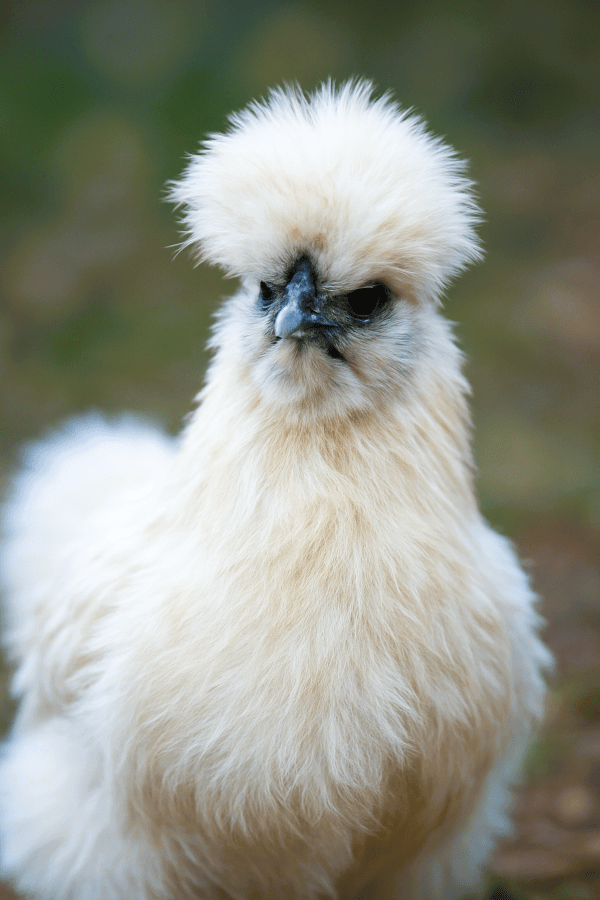
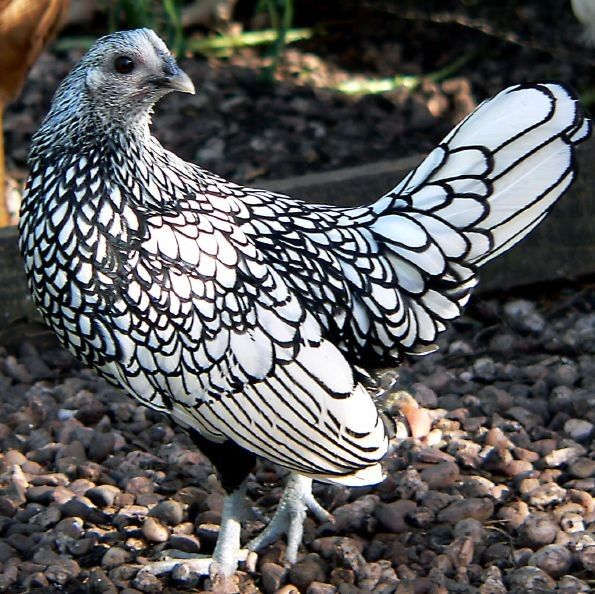
Ornamental chickens are the showstoppers of the poultry world. These birds are bred mainly for their appearance rather than production. With their fancy plumage and striking colors, they’re often found in exhibition shows or simply admired by the backyard chicken keeper. A few common examples of these birds are the Sultan, Polish, Silkie (my favorite), and the Sebright.


Designer Chickens (Sometimes called hybrids)
Designer chickens are all about creativity and crossbreeding. These birds aren’t purebred but are intentionally mixed to bring out special traits, like unique feather colors, egg hues, or personality. They are usually created by hatcheries or breeders for specific visual or egg color traits, blending both aesthetic and functional qualities, unlike exotic or ornamental breeds, which are historic or purebred.
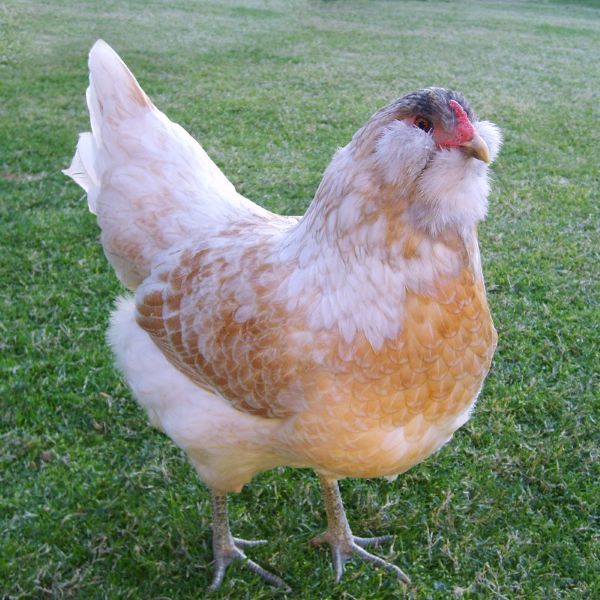
A good example of designer chickens are Olive Eggers (a cross between Ameraucanas and Marans) and Easter Eggers, known for their colorful blue-green eggs. Both are prolific egg layers.


Exotic Chickens
“Exotic” refers to breeds that are rare or foreign to your region. I have never seen any of these birds in real life, but here are a few examples.
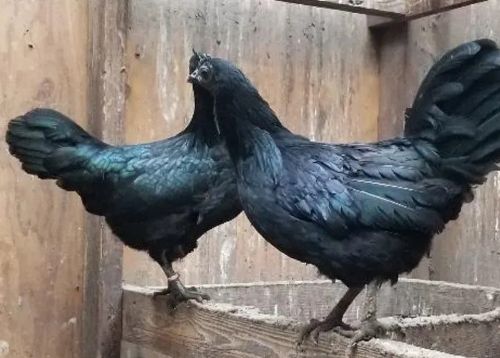
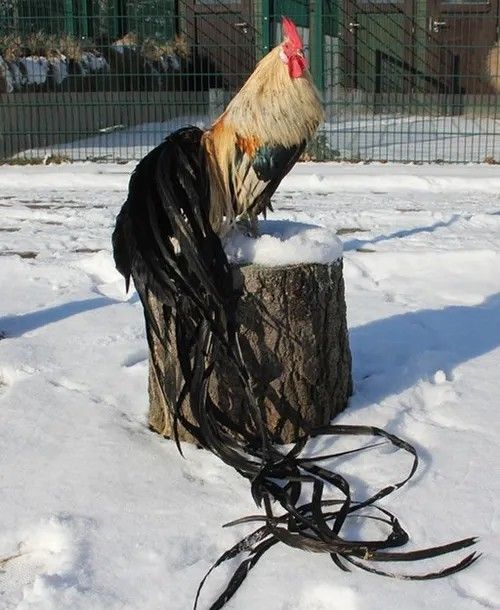
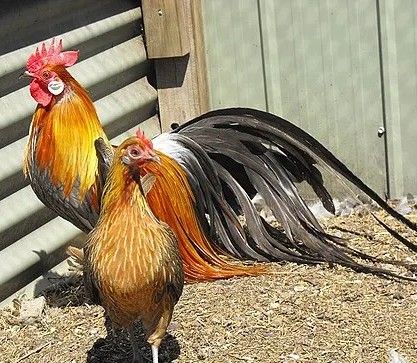
Ayam Cemani (Indonesia), Onagadori (Japan), Phoenix (Germany, derived from Japanese stock), Svart Hona (Sweden)

How & Where to Find Specific Breeds

First Time Buying from a Hatchery? Here’s What to Expect

Most hatcheries have a minimum order of 3 to 15 chicks to keep them warm in transit. You’ll choose your preferred breeds and check for an available shipping date at checkout. Hatcheries only ship newly hatched chicks so they can safely survive the journey without food or water due to absorbed yolk nutrients. Chicks are shipped via USPS Priority Express or Priority Mail. Delivery usually takes about 2 days. Your local post office will call you when your chicks arrive.

Back to HOME PAGE