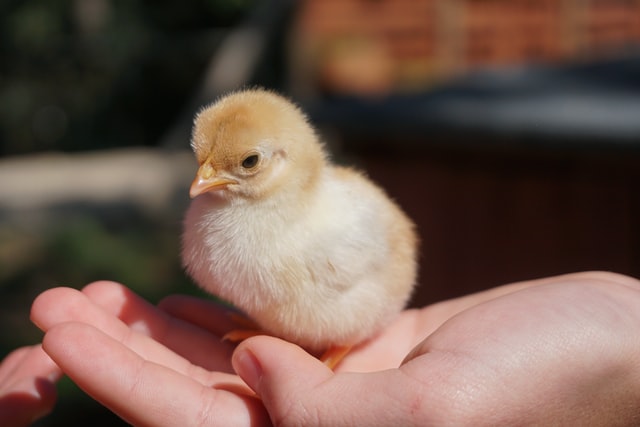
Salmonella Safety Practices for Backyard Chicken Keepers

Fact: People can get sick with Salmonella infections from touching backyard poultry, their feed, and the places where they live and roam.
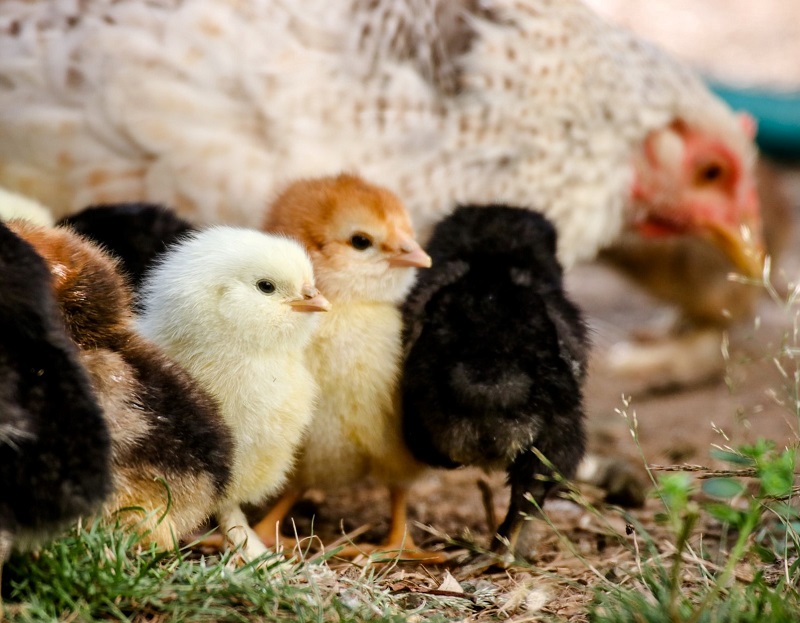
Here’s What You Need to Know

Keeping chickens can be a healthy & rewarding hobby, but what we need to talk about is the proper management that will keep your family safe from the dangers of salmonella.
This isn’t talked about near enough and I feel too many chicken keepers are dismissing the fact that salmonella is found in bird droppings. If eggs are not handled properly, salmonella can be passed along to people. That’s the basic truth. But the facts are much broader than just safe egg handling, every chicken keeper should be well educated on proper housekeeping and coop management to safeguard against Salmonella.
Simple Rules for Good Chicken Housekeeping
Backyard poultry can carry Salmonella germs even if they look clean and well-kept after. After handling baby chicks, (especially children and people with weakened immune systems) should immediately wash their hands thoroughly.
There should be a clean space between your home and where your chickens roam. That means they must have their own space where people won’t be constantly exposed to their droppings.
Wear special shoes or boots when tending to your birds, and store them away from the designated clean space.
Never eat or drink where your chickens live or roam.
Keep your coop and where the chickens roam clean. Regular coop cleaning and fresh bedding should be at the top of your chore list.
Collect eggs daily and keep the nest box clean. Eggs should never lay in droppings.
Refrigerate your eggs, this slows the growth of germs.
Coop equipment such as water or feed containers should be cleaned outdoors only.
Chickens are not indoor pets and shouldn’t under any circumstances be allowed in your home. They aren’t to be cuddled and certainly not kissed.
Outbreaks of Salmonella Infections Linked to Backyard Poultry in 2020…

As of December 17, 2020, a total of 1,722 people infected with one of the outbreak strains of Salmonella were reported from all 50 states.
333 people (33% of those with information available) were hospitalized.
One death in Oklahoma was reported.
24% of ill people were children younger than 5 years of age.
Epidemiologic and laboratory evidence showed that contact with backyard poultry was the likely source of these outbreaks.
576 (66%) of the 876 ill people interviewed reported contact with chicks and ducklings.
People reported obtaining chicks and ducklings from several sources, including agricultural stores, websites, and hatcheries. Testing of backyard poultry and their environments (such as backyard coops) in Kentucky and Oregon found three of the outbreak strains.

Back to HOME PAGE

How to Buy Healthy Chicks from a Feed Store

Be an Informed Buyer, Ask Questions, Recognize Signs of Poor Health

It’s Spring and you might have buying baby chicks on your mind. This is when the feed stores have all those cute fuzzy butts available, and they certainly are hard to resist. Nothing wrong with being an impulse buyer in my book, but at least be an informed one!
There are things to look for, and of course, you want to bring home healthy chicks. Once you leave the store, there’s no turning back, whatever chick problems you have, you’re stuck with, sorry, no returns.
Ask Questions
It’s good practice to ask the store manager when they received the chicks. Most likely the chicks were in transport before their arrival. During that time, chicks can become dehydrated, stressed, and kept too cold or hot, all compromising a chick’s survival. Most chicks in poor health will die within the first two days of their life. You’ll want to avoid buying chicks until they settle in at least 3-4 days after transport.
Marek’s disease is extremely contagious among chickens and usually fatal, so always make sure the chicks you buy are vaccinated at the hatchery.

Choosing Healthy Chicks

You’ll want to see active chicks, some resting, others eating & drinking, and some under a heat source. This is normal behavior. Avoid chicks that are all huddled together, or lethargic.
Eyes should be clear, and you don’t want to see any signs of fecal impaction, better known as pasty butts, Learn More.
The beak, top, and bottom should be even, there shouldn’t be an overbite, or cross-over which may interfere with proper eating.
Legs should appear sturdy and straight.
Chicks will be fuzzy all over, avoid those with sparse or missing fluff.
Prepare
Have your brooder in place and ready to go before you bring home your baby chicks, it’s important to make their once again transition easy as possible. The brooder box should be the right temperature with bedding, a heat source, and food/water in place.

Back to Chicken Keeping Resources HOME PAGE

Backyard Chickens, Yes or No?

Is Having a Few Chickens Something You’re Considering?

Maybe you didn’t think about being self-sufficient before 2020, but what about now? Did you see shortages and empty shelves at the grocery store? Despite the grocery store’s shortcomings, at least I knew there were always gonna be fresh eggs right in my backyard. It was a nice feeling, real nice, but is keeping chickens for you? Let’s take a closer look…
Having backyard chickens is going to add to your chore list, and yes, they’re kinda messy, and yes, you’re gonna spend a little extra money just to have those “free eggs.” But, putting all that negative stuff aside, the question of whether or not it’s worth it is a simple one. Yes, and here’s why.
The flavor of a fresh egg is rich, the color is vibrant, and the texture is amazingly firm in comparison to grocery store shelf eggs. But here’s the best part, farm fresh eggs taste better, and hold more nutritional value than store-bought. Studies have found that fresh farm eggs have less cholesterol, contain the right kind of fat, and have more vitamins than conventional eggs.

Our Farm Fresh Eggs

Upkeep and What to Expect

Every morning I spend about 10-15 minutes tending to my birds. I use a pooper scooper, pick up the droppings from the nest box and coop, fluff up the pine shavings, fill the drinker, collect eggs, and…. that’s it. Once a week the coop gets fresh pine shavings and the feeder is refilled. My hens have a large turn-out space attached to the coop, however, if they were confined to a coop 24/7, a more rigorous cleaning regiment would be inevitable.
Probably the biggest mistake I made when getting my first backyard flock was how many birds to get. Lesson learned, I bought way too many and ended up with more eggs than my family could eat.
Keep it simple, if you want to feed a small family of four, six hens is just about right.

Start-up Cost, The Honest Truth

No matter how you slice it or dice it, no less than $1,000. A nice well-built chicken coop that will last is not cheap. You can buy a cheapy online, but you’ll end up buying another, usually because it’s too small, or poorly made with sub-par lumber. You’ll also need a brooder for baby chicks, a heat source, a drinker & feeder for baby chicks, a drinker & feeder for mature chickens, nest boxes, perches, shavings, feed, cleaning supplies, etc. These are costs that can’t be avoided. Keep in mind, you will be feeding those chicks for about 6 months before they lay their first egg.
As of March of 2026, a 40lb bag of layer pellets for adult hens averages about $27.00, organic is substantially higher. How long that last varies on how many birds you have and if it’s secure from wild birds accessing it.
The amount of feed an adult chicken consumes in one day can vary depending on several factors such as the size and breed of the chicken, the time of year, and the quality and type of feed provided. However, as a general guideline, an adult chicken typically requires about 4-6 ounces of feed per day.

Back to HOME PAGE