Playing with the idea of having a few backyard chickens for fresh eggs, but live in an HOA community? Well, you just hit a major roadblock, with one exception, and we’ll get to that in a bit. Many people assume that if their city or state passes an ordinance allowing backyard hens, they are automatically cleared to build a coop. Unfortunately, the reality of property laws across the United States tells a completely different story. To put it simply, just because the city says you can have chickens doesn’t mean your HOA has to let you. In almost all of the United States, your HOA can completely ban you from keeping chickens, even if your city and state say it’s legal. An HOA only loses its power to restrict your flock if a state legislature passes a law thatexplicitly voids private contracts. While many states have stepped in to protect things like solar panels or flags from HOA overreach, almost none have extended that same protection to poultry. What does “almost” mean? Florida stands out as a rare exception with legislation that stripped HOAs of their power to ban backyard chickens, provided the coop is hidden in the backyard. But beware, HOA boards frequently use vague nuisance clauses regarding odors, flies, noise and especially complaints to shut down anything they don’t like… such as chicken coops. The golden rule for homeowners across America is simple, never assume a government green light means your HOA won’t shut you down… because they will try, and most likely succeed .
Can You Have Chickens Where You Live? Before you buy anything, make sure you’re allowed to have a backyard flock where you live. Check your local city ordinances, and remember, homeowner’s associations and residential subdivisions may have laws that aren’t included in government city ordinances. The Cost of Getting Started I certainly understand the cost of eggs has soared to an unreasonable price, and having your own fresh eggs every day sounds pretty nice. But like anything else, there’s a cost for that luxury. It has been said the cost of your first egg is $750, however, in today’s world, a $1,000 minimum may be closer to reality. Your baby chicks are going to need a brooder until they are 7-8 weeks old, then a suitable coop for the climate where you live. Don’t forget, there are numerous supplies needed to care for your chicks/chickens which we’ll address later in this article. In short, you can buy an awful lot of eggs for the cost of having fresh eggs in your backyard, let’s face it, you’re going to pay for eggs one way or another. Don’t forget there’s also a monthly cost of keeping chickens, there’s feed, shavings for the coop, and other necessities and/or miscellaneous supplies.
Still Interested? Then Let’s Get Started…
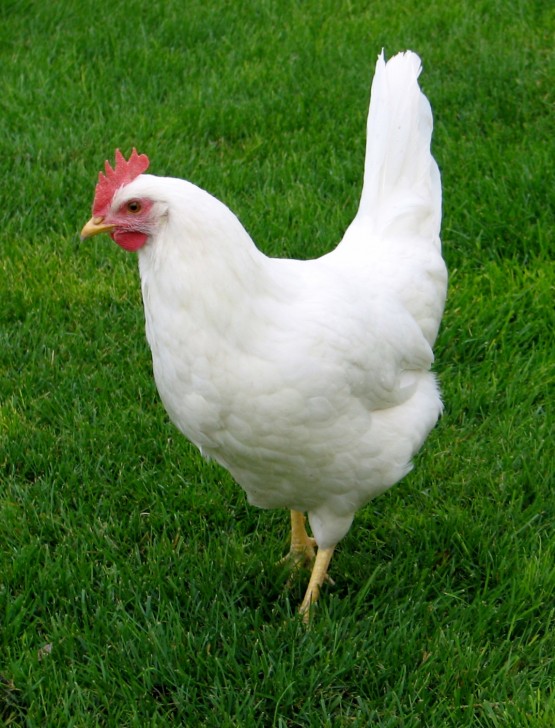
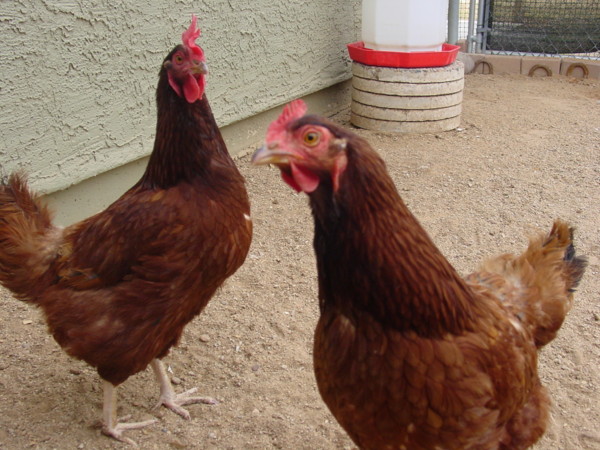
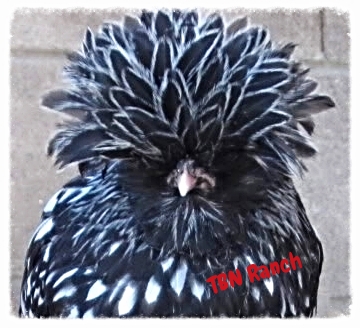
The Brooder for Baby Chicks A place to raise your baby chicks can be rather simple, a box will do, but chicks also need a drinker, feeder, and a heat source. Today, we use radiant heat, heat lamps are seldom used as they are difficult to regulate a consistent temperature, not to mention they are fire hazards. This means raising your baby chicks should be in the Spring, or when temperatures are moderate. Radiant heat is most efficient in temperatures above 55. Learn more about Radiant Heat Brooders. The Chicken Coop First-time buyers always buy a too-small coop, this will prove to be a mistake in the long run. Chickens need space in order to live in harmony, and happy chickens are what fill the egg basket. A coop should be easy for you to clean, and easy to gather eggs. It should be a suitable shelter for inclement weather and be predator-proof. And remember, you get what you pay for, buy quality, you’re not saving money if you have to buy a coop twice. View Coop Types How Much Space Do Chickens Need? Where to Get Your Chicks and Choosing the Right Breed Choosing a breed depends on what your chickens’ purpose is, egg production is the focus here, so learning about which hens are prolific egg layers is most important. Some breeds, especiallyexhibition or ornamental breeds have broody tendencies and are not a good choice for egg production. (A broody hen has a strong urge to hatch eggs, and a strong desire to sit on and incubate eggs. A broody hen will remain on the nest for extended periods of time, even when there are no eggs present. During this time she will not lay eggs.) Most Common Broody Breeds Buff Rocks, Cochins, Buff Orpington, Brahmas, Silkies, Sussex, Dominique, & Dorking. Note: The Silkie is probably the most broody of all. Most Common Prolific Egg Layers White Leghorn: An excellent egg layer, leghorns produce 280+ eggs annually. They lay large quantities of big white eggs. Rhode Island Red: An excellent choice for laying 260 large brown eggs annually. Ameraucana: (Easter Egger) Producing around 250 eggs per year. The eggs are medium in size and can be blue, green, white, or tinted pink in color. Polish Chicken (Top Hat) Looking for a hen with a little more character? The Polish hens lay about 200 eggs annually. This breed is not usually found in feed stores, but are available through online hatcheries.
White LeghornRhode Island Red Easter EggerWhite Crested PolishSilver Laced Polish
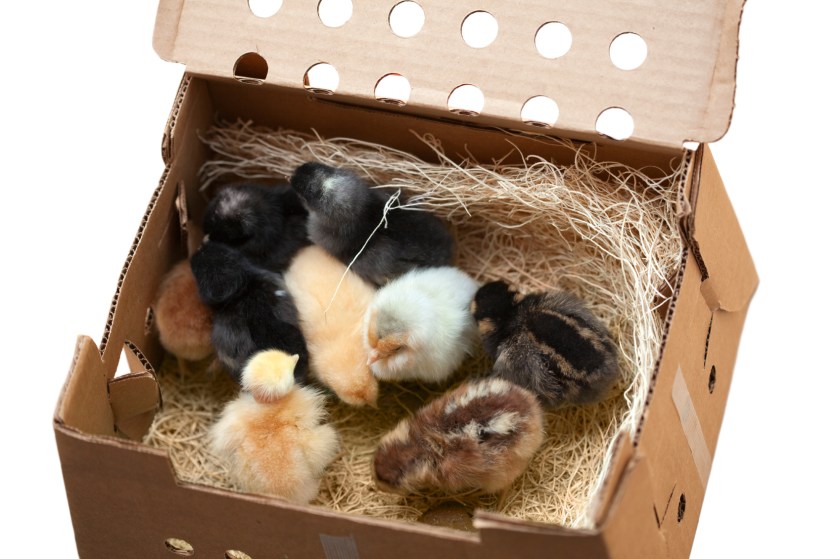
Where to Buy Chicks You can usually find baby chicks in your local feed stores, but you won’t have the opportunity to choose a specific breed. There are many hatcheries online that sell just about any breed you want, and your baby chicks will be shipped to your local post office. You will be notified when they’re shipped, and when they arrive. This is primarily how I buy all my birds. Here’s a list of Hatcheries to choose from. Wondering how many chicks to buy?
Mail order chicks arrive in a box like this & are shipped to your local post office.
Basic Start-up Supplies For Chicks Brooder for chicks (Brooder Box Ideas) Heat Source(Radiant Heat) Bedding (Pine Shavings) Chick Feeder & Drinker Chick Starter Feed Paper Towels (Best footing for the first week in the brooder. Also for pasting-up issues.) Basic Start-up Supplies for Chickens Coop Fencing (with cover) for outdoor run. Roosting Bar Drinker & Feeder Nesting Boxes (1 for every 2 birds) Pine Shavings Chicken Feed Metal trash can for 40lb bag of feed Rake Wheel barrel (for cleaning & managing pine shaving transporting feed bags.)
The real question you should be asking yourself isn’t about saving money on the cost of eggs… it’s whether or not you want to raise chickens and enjoy fresh eggs. Because quite honestly, it’s far more expensive to raise chickens than buying eggs at Walmart.
Fact: People can get sick with Salmonella infections from touching backyard poultry, their feed, and the places where they live and roam.
Here’s What You Need to Know
Keeping chickens can be a healthy & rewarding hobby, but what we need to talk about is the proper management that will keep your family safe from the dangers of salmonella. This isn’t talked about near enough and I feel too many chicken keepers are dismissing the fact that salmonella is found in bird droppings. If eggs are not handled properly, salmonella can be passed along to people. That’s the basic truth. But the facts are much broader than just safe egg handling, every chicken keeper should be well educated on proper housekeeping and coop management to safeguard against Salmonella. Simple Rules for Good Chicken Housekeeping Backyard poultry can carry Salmonella germs even if they look clean and well-kept after. After handling baby chicks, (especially children and people with weakened immune systems) should immediately wash their hands thoroughly. There should be a clean space between your home and where your chickens roam. That means they must have their own space where people won’t be constantly exposed to their droppings. Wear special shoes or boots when tending to your birds, and store them away from the designated clean space. Never eat or drink where your chickens live or roam. Keep your coop and where the chickens roam clean. Regular coop cleaning and fresh bedding should be at the top of your chore list. Collect eggs daily and keep the nest box clean. Eggs should never lay in droppings. Refrigerate your eggs, this slows the growth of germs. Coop equipment such as water or feed containers should be cleaned outdoors only. Chickens are not indoor pets and shouldn’t under any circumstances be allowed in your home. They aren’t to be cuddled and certainly not kissed.
Outbreaks of Salmonella Infections Linked to Backyard Poultry in 2020…
As of December 17, 2020, a total of 1,722 people infected with one of the outbreak strains of Salmonella were reported from all 50 states. 333 people (33% of those with information available) were hospitalized. One death in Oklahoma was reported. 24% of ill people were children younger than 5 years of age. Epidemiologic and laboratory evidence showed that contact with backyard poultry was the likely source of these outbreaks. 576 (66%) of the 876 ill people interviewed reported contact with chicks and ducklings. People reported obtaining chicks and ducklings from several sources, including agricultural stores, websites, and hatcheries. Testing of backyard poultry and their environments (such as backyard coops) in Kentucky and Oregon found three of the outbreak strains.






 TBN Ranch Chicken Keeping Resources