Choosing A Mist System for Your Chickens

During the summer season, it’s inevitable to encounter a recurring heat wave that poses a potential risk to the welfare of your backyard flock. Although we have no control over the weather, we can certainly modify our approach in handling such situations. It’s essential to proactively equip ourselves for the worst-case scenario and establish a well-thought-out plan in advance, ensuring we are fully prepared before the need arises.

Portable Misters

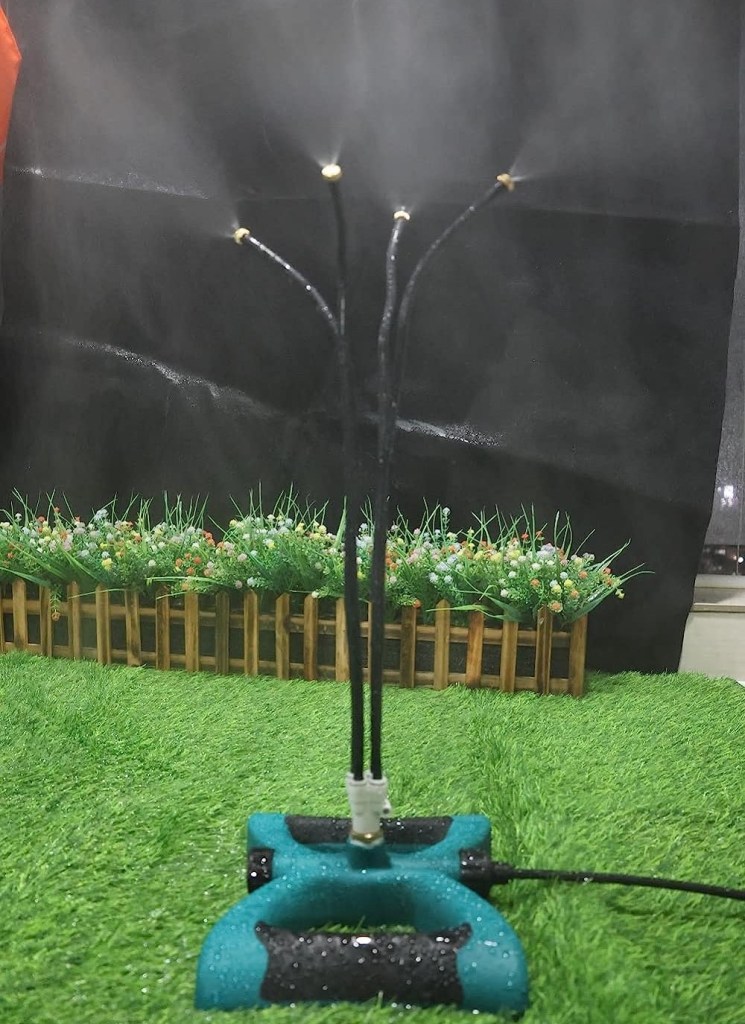
To ensure the well-being of your birds during hot weather, using a mister, ideally in conjunction with a fan, is highly recommended. Mist systems have the ability to significantly lower the ambient temperature, while the fan aids in effectively dispersing the cool air. Even in the absence of electricity, a mister can still serve as an effective means to keep your birds cool.
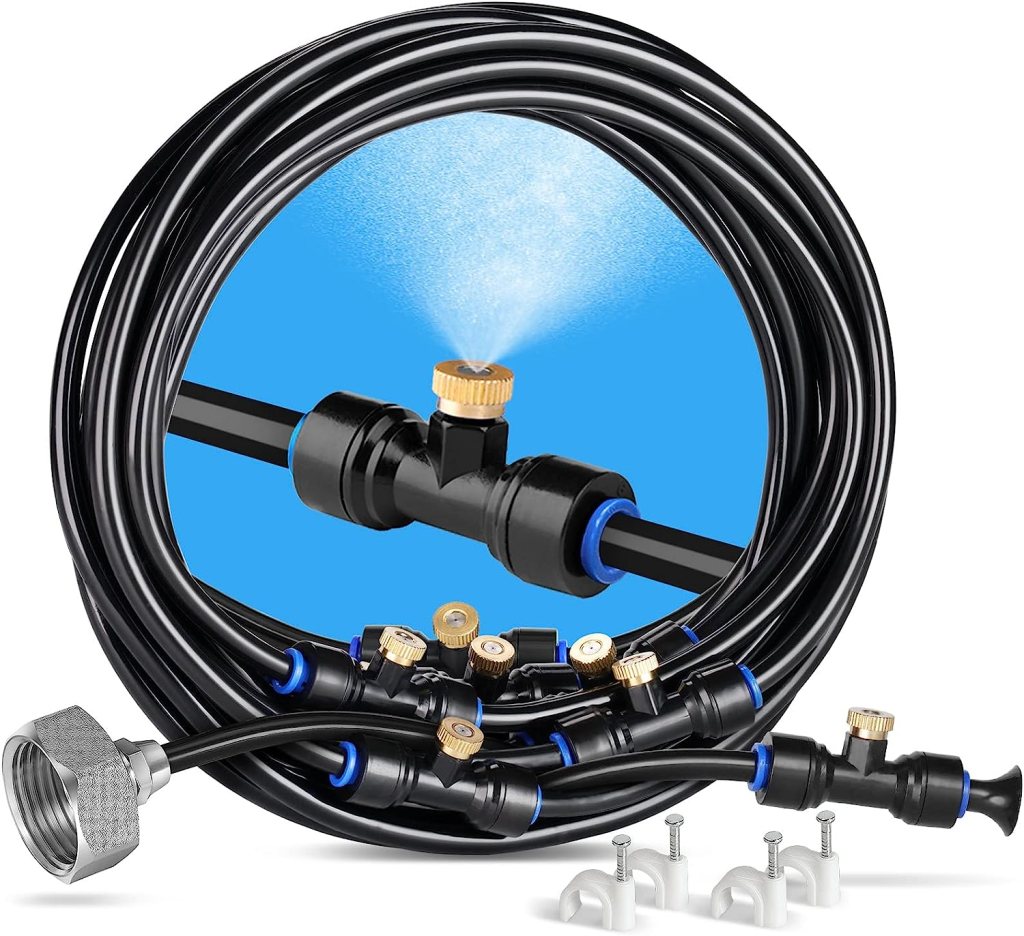
There are numerous options available when it comes to misters, with the portable free-standing type being the most affordable. However, it has a limitation in that it can only cool a small area. Additionally, you may find yourself replacing it every season due to clogging of the nozzles caused by calcium deposits. It’s worth noting that many portable misters lack replacement nozzles, so it’s advisable to seek out models that offer better options.
Note: I use the sidewinder mister (pic below) in my coop on low, just enough to cool the air, but not get the coop wet. I use a larger free standing portable with two misting nozzles for the run.

Overhead Misting Lines

Overhead misting lines provide extensive coverage and are highly efficient, often providing replacement nozzles. It is advisable to install the misters in a location where nozzle replacement can be easily done without the need for a ladder. Numerous varieties of line misters are available on Amazon, offering a wide range of options to suit individual preferences and requirements. It is important to note that these misters are most suitable for covering large areas and are not recommended for use in a coop, where a dry environment is essential. They are better suited for large runs or secluded areas where your birds can enjoy a visit.

Here Are Some of Your Choices

Where to Buy

Numerous misters, along with many others, can be found on Amazon. Conduct thorough research to discover the ideal mister that will ensure the comfort of your flock. In Phoenix, a mister can be the determining factor between survival and death. Presently, the temperature for July reaches a scorching 112-118 degrees during the day, while dropping to 96 degrees overnight. Trust me, mist systems are extremely beneficial.

Back to HOME PAGE

5 Tools Your Chickens Need to Survive The Extreme Heat

Temperatures are soaring across the nation, with temperatures hitting all-time highs. Here in Arizona, we are facing 118°F temps daily, and keeping chickens alive is a challenge but definitely not impossible. There are steps you can take that will help your backyard flock survive a brutal heat wave, and it doesn’t take a lot of effort. Here’s how:

5 Life Saving Tools:

Hose
Portable Mister (Many portable misters types are available in Amazon)
Shade Cloth
Water
Fan (A very helpful option if you have electricity)

Detailed Instructions for Using These Vital Tools:

Back to Chicken Keeping Resources HOME PAGE

Tips on Managing Rats in the Coop

Problem Solving & Solutions

Rats are attracted to food, so the first thing to address is keeping their access to food at a minimum. Don’t leave food in the coop over night, or switch to a feeder that can be closed at night, there are many types to chose from. Feeder Types
Like all walks of life, rats need water. Switching to Nipple Drinkers rather than traditional drinkers may be helpful. Not to mention nipple drinkers are healthier since rats carry numerous diseases that can be spread through traditional drinkers.
The Exception to the Rule: If you live where temperatures exceed 110 like here in Phoenix, nipple feeders are not recommended. Hydration is imperative, and chickens will drink more if water is kept cooler from a large-capacity drinker.
Clean up spilled feed daily, be creative, put something under the feeder to catch dropped feed so it’s easy to clean up.
Make sure there are no eggs in the nest boxes overnight. Rats love to find eggs, so don’t invite them for a late night snack.
Switch to layer pellets rather than crumbles, it’s less messy and easier to clean up what gets dropped or scratched out of the feeder.
Keep all your feed and supplements in a metal trash can. Use a bungee cord to hold the lid down tight. Don’t use anything plastic, rats will chew through it like it’s made of paper.
Replace any chicken wire on your coop with hardware cloth.
Bury hardware cloth at least a foot all around the coop to detour rats from digging into the coop.
Place flagstone or bury hardware cloth around the entire perimeter of the coop to help prevent digging.
Patch all holes or crevasses in the coop.

What About Repellants?

Do they work? The simple answer is not really. Mint, peppermint, essential oils, etc., all have little effect on detouring rats. Some essential oils are toxic to chickens so I would advise you to avoid them completely. Of course, I hope I don’t even have to say that rat poison is totally out of the question for obvious reasons.

So What Does Work? A Natural Predator!

There are lots of shelter cats looking for a job! Adopt

The predatory behavior in cats can be quite effective in controlling a mice & rat problem. They are natural hunters and have an instinctual drive to chase and catch small animals.

Back to Chicken Keeping Resources HOME PAGE