Is keeping backyard chickens cost effective?
How much time in caring for them is involved?

These are valid questions, and certainly something you should prepare yourself before you buy those cute little chicks at the feed store. Chicks are tiny and super easy to manage for the first couple of weeks. But, about the time they reach 3 weeks of age, they will begin to outgrow the brooder box and become a bit of a chore to clean up after.
They will most likely be in a box in your house or garage with a heat lamp dangling overhead until they reach a minimum of 4 weeks of age. By this time they are still about two weeks shy of being fully feathered and ready to be moved to the outdoor coop. From day old to six weeks is a long time, and indeed a commitment. During this time you are going to be busy cleaning the brooder box every day multiple times. They will also need to be slowly weaned off a heat source before moving them to a coop.
Timing is everything, make sure to buy your chicks when the temperatures where you live aren’t extreme. Otherwise, you’ll be struggling to either keep six-week-old chicks warm or cool during the transition from indoors to out.
Keeping chickens can be fun and easy to care for, but you just can’t skimp when setting up their housing, one way or another you’ll pay for it.
In other words, chickens are expensive, no matter how you slice or dice it, that first fresh egg from even a small backyard flock will cost at a minimum, about $800+. It’s true! That’s a lot of store-bought shelf eggs. But everything comes with a price, the value of fresh eggs vs shelf eggs is something only you can decide.
I’ve thought about the cost-effectiveness of raising chickens, and it doesn’t add up. I’ve done the math, and well…there’s just no way! A dozen eggs can be bought for about $2.50 here in Phoenix, sometimes even less. It costs more to feed a small flock than it does to buy eggs!
A $25+ 40lb bag of layer pellets for six hens will last about 30 days. Keep in mind, your hen’s rate of lay will significantly decrease in the winter and during molting. And, you’ll be feeding those hens for 5 to 6 months before they even reach their point of lay.
Even raising meat birds can’t possibly be cost-effective. I can go to any grocery store in town and buy a hot fully cooked rotisserie chicken for only $7.00! Oh my, it would cost me way more to feed that bird, and then I have to slaughter it too? Nah… I’ll pass.
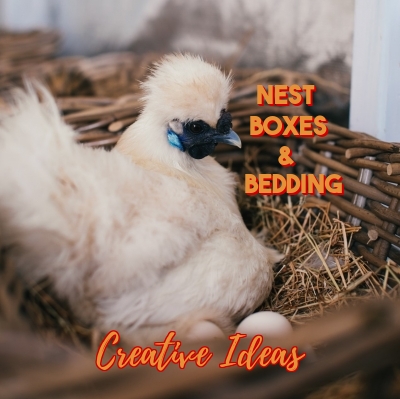
There is an expense involved for the bedding in the coop and nesting area too. Pine shavings, hay, or straw will be necessary not only for the hen’s comfort, but it will keep the hen’s house cleaner and much easier to maintain. The bigger the coop, the easier it will be to keep clean, but bigger also means more bedding to buy. It also means your hens will be happier, and better egg producers. It’s like anything else, better always comes with a higher price tag.
Chickens are fun to watch, bring much enjoyment, and having fresh eggs is wonderful. There is no dispute over fresh eggs being a healthier choice, just be sure you are willing to put in the effort for the benefits.


 TBN Ranch Chicken Keeping Resources