What is That Black Spot or String 0n My Baby Chick’s Rear End?

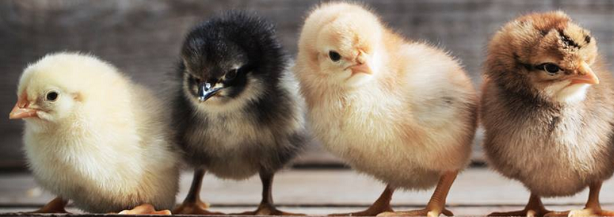
Not to worry, it’s your chick’s umbilical cord! Be sure not to confuse this with pasting, which is a poopy butt, this does need immediate attention. Usually, the umbilical cord falls off immediately during hatching, but sometimes it can hang around for a few days (or it falls off but the belly button takes a while to heal, leaving a scabby spot). This can happen whether you hatch at home or order from a hatchery.
It’ll eventually fall off on its own, and the spot will heal as it does for a human infant. Don’t try and remove it. If the other chicks seem to be picking at it, you may have to separate this chick until it does fall off, but that isn’t usually necessary.

Back to Chicken Keeping Resources HOME PAGE

My Silkie Hen Welcomes Baby Chicks

The Successful Introduction of Hatch-a-longs (Orphan Chicks) to a Broody Hen

Backyard urban chicken keepers aren’t allowed to have a rooster because they are a neighborhood nuisance with their constant crowing. But what can you do if you want babies and aren’t interested in incubating eggs? You can place fake eggs under her when she’s broody, wait about two-three weeks, and tuck 1 to 3-day-old chicks under her in the middle of the night. How to do this is described in detail HERE.

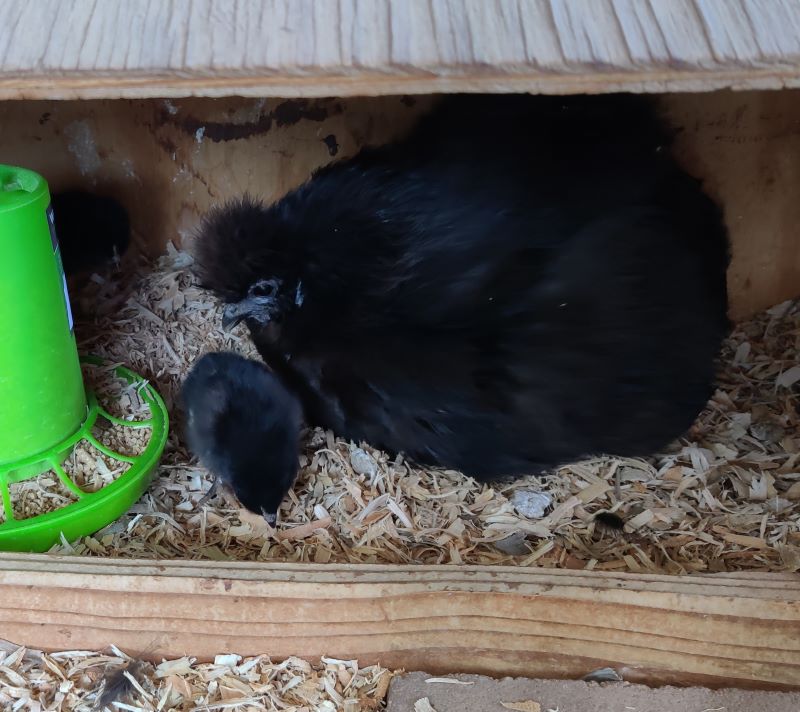
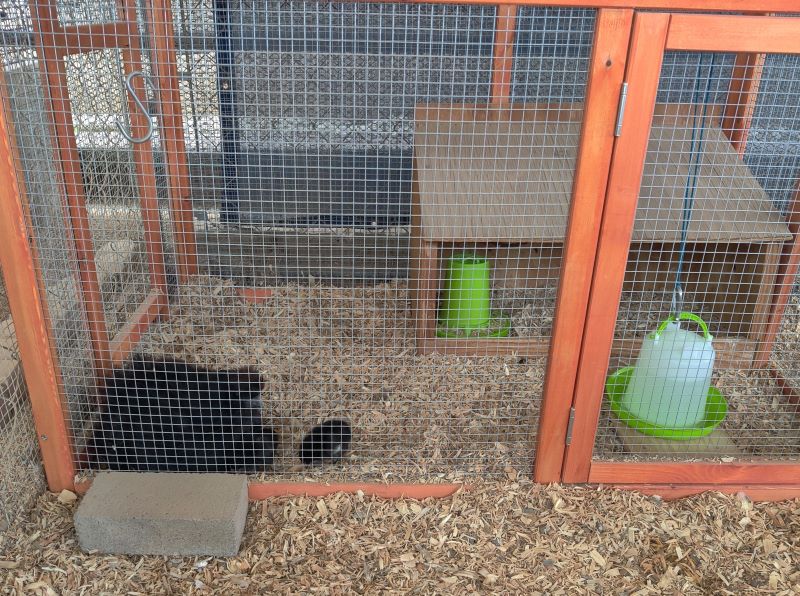
Mother Hen and Her Hatch-a-longs, Day 2

Silkie Hen with her Black Star Hatch-a-longs
Mamma Being Maternal
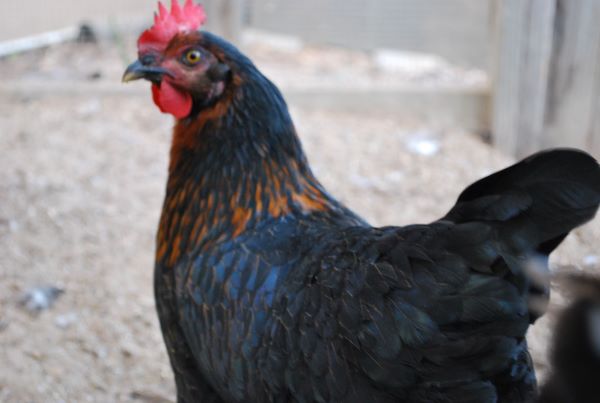
Hatch-a-long chicks are Black Stars, AKA, Black Sex-Links

About the Black Star

The Black Star, also known as a Black Sex-Link is produced by two separate breeds. The breeds are usually a Rhode Island Red or New Hampshire rooster mated with a Barred Plymouth Rock hen. The Black Star is known for its hardiness, excellent egg-laying ability, and attractive appearance. Continue Reading

Back to Chicken Keeping Resources HOME PAGE

Lakenvelders, Where to Get Chicks

Lakenvelder

While breed researching for my fall chicks, I ran across an interesting breed to consider. This rare breed is often available for purchase from Murray McMurray Hatchery.
These are one of the most beautiful in the appearance of any of our rare varieties with their striking black and white markings and slate-colored legs. We are told that the word “Lakenvelder” when translated from the Dutch means “a shadow on a sheet”, a particularly descriptive name. They were bred extensively in Germany and Holland as long ago as the early 1800s but were not recognized here until the 1930s.
They are quite small when mature, 3 to 4 Ibs., and very quick and active, foraging widely if allowed to run. The skin is white and the breast unusually plump and round, almost like wild game birds. Hens lay white eggs and are non-setters. Baby chicks are mostly creamy white with a half collar of black on the neck and a sprinkling of black on the head and back.
On average, a Lankenvelder hen can lay between 180 and 220 eggs per year.

Back to Chicken Keeping Resources HOME PAGE