There really isn’t anywhere chickens are safe from predators, not even in the city. We live in a highly populated area of Phoenix, Arizona, and despite the freeways, heavy traffic, and dense housing, we still have unwanted predators visiting nearly every day. I haven’t been able to get a clear photo of the coyotes that are constantly around, mostly because they show up around 3 a.m., but eventually I’ll capture some footage and post that as well. We don’t discourage wildlife from sharing nature; we simply outsmart them when it comes to protecting our hens.
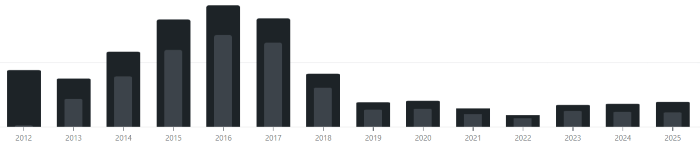
Blogging isn’t what it used to be, mainly because of AI, and I’m seriously rethinking whether it’s worth keeping my chicken-keeping resource site. If you’ve been on the internet long enough, you probably remember when blogs were personal, honest, helpful, and full of real people sharing things they learned the hard way. Today, those voices feel much quieter, and AI plays a big part in that shift. Once AI tools arrived, it became far too easy for anyone to pump out endless “informative” posts with very little effort. While that might sound impressive at first, the trade-off has been a flood of repetitive content with very little substance. Blogs used to feel human, but now most of them read like dry, impersonal textbooks. Thoughtful, original posts that once had a chance of being discovered are now buried beneath fast, mass-produced AI articles. As a long-time blogger who has built trust with readers for 13 years, it’s become obvious that my site is being pushed aside. AI isn’t going anywhere, it’s useful, convenient, and I won’t deny that I use it too. I understand that the world has changed, podcasts, videos, and smartphones have become the go-to sources for just about everything. Still, I hope people eventually start craving authenticity again and choose to connect with real humans. The numbers don’t lie, and it’s hard to ignore the reality that fighting against the convenience of quick AI-generated information feels almost pointless.
For now, I’ll keep my blog, but I can’t promise what the future holds. It’s expensive, time-consuming, and honestly, it’s probably going to end up on the growing list of “extinct” technologies sooner rather than later. It’s sad, but times change, and it’s something we all have to accept or get left behind. New challenges help us grow, and I’m up for it. I think. I’m interested in your comments and opinions.
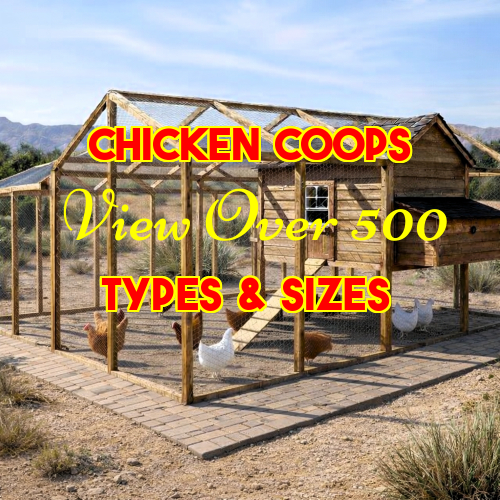
Let’s get into the honest, practical nitty-gritty of the biggest mistake I made when I started a backyard flock, and that’s the actual coop setup. Most of us (including me) start with something affordable and minimal, trusting the manufacturer’s idea of what “proper housing” is for six chickens. But here’s the honest truth: those coops are always way too small, cheaply built, and a nightmare to keep clean. I learned this the hard way, through multiple costly upgrades and the hassle of modifying existing set-ups. So what is the right coop? This is an example of a good start for 6 chickens, and if your flock grows it can easily be modified by attaching a covered run.
Let’s get real, six chickens almost never stay six. That’s just a fact. So either buy bigger than you think you need, or choose something you can modify as your flock grows. A covered, enclosed, predator-proof outdoor space isn’t just a luxury, it’s essential for the safety of your flock and to keep harmony among the flock. Crowded housing is a recipe for trouble. I didn’t understand the pecking order at first, and I quickly learned how harsh it can be for timid hens at the bottom. Tip: What really helped reduce social bullying was providing multiple drinkers, feeders, and nest boxes so everyone had equal access. Another option for choosing the right coop is researching companies that build coops to your exact specifications. That’s what I eventually did, and although a bit spendy, it was absolutely worth it. Of course, if you’re handy, building your own coop can be a fun and rewarding project. There’s no hurry, take your time, be creative, and most importantly, enjoy the process. Half the fun of keeping chickens is enjoying the entire experience, start to finish. Don’t be delusional, there is no finish, chicken keeping is an endless work in progress! But it’s the fun kind.
Collection of Coop Designs
To help you choose a chicken coop, I’ve put together a Pinterest collection of Coop Designs and Set-up Ideas so you can research what works best for you.
About Custom Coop Builders
This is my custom chicken coop. It was originally covered pens for 3 horses, but I had it fully enclosed with 2×4 framework, hardware cloth, and shade cloth added to the east and west sides. The project was done by San Tan Valley Coops, and although they’re based in Arizona, they also work outside the state. You can contact them for more information about shipping. They can build any coop, in any size, exactly the way you want it.




 TBN Ranch Chicken Keeping Resources