Marek’s Disease: What Every Chicken Keeper Should Know

Marek’s Disease: Symptoms, Management, Prevention, Biosecurity, Commonality, and Vaccines.

Written by a real person and flock owner.

About Marek’s Disease

Marek’s Disease is one of the most common and serious illnesses affecting backyard chickens. Caused by a highly contagious herpesvirus, Marek’s attacks the nervous system, internal organs, eyes, and skin. It spreads quickly through feather dander and dust, and once it’s in your flock or environment, it can be difficult to eliminate. However, with the right prevention strategies, backyard keepers can protect their birds and maintain a healthy flock.
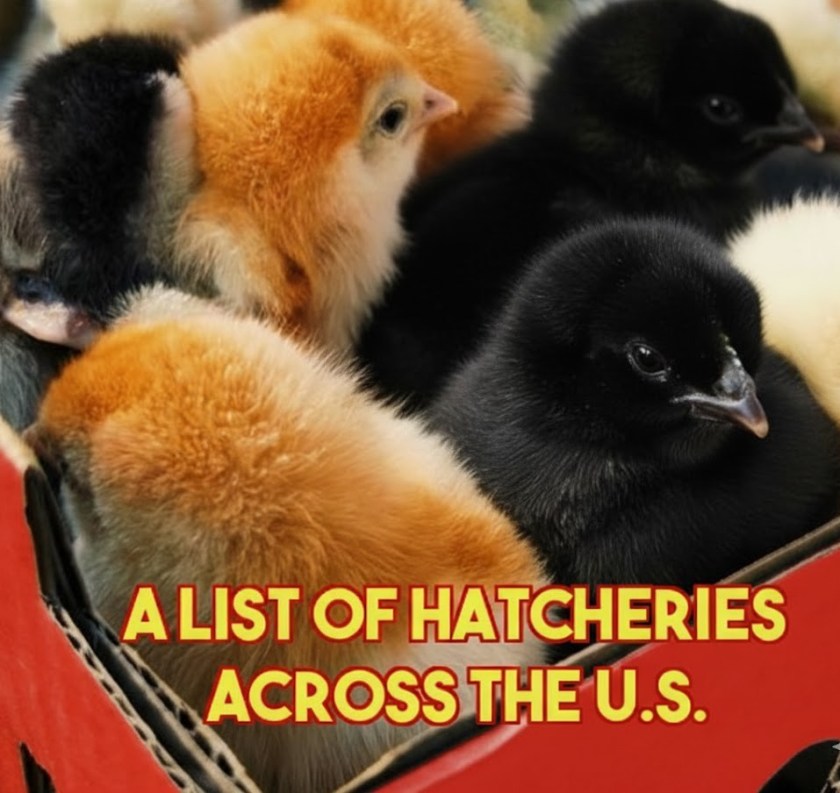
The best protection against Marek’s is vaccination. Most large hatcheries offer Marek’s vaccination as an optional add-on when you order day old chicks. This is the simplest and most reliable method for small flock owners. If you hatch your own chicks at home, you can order the Marek’s vaccine online and administer it yourself, but the process is fairly complex and often impractical for small backyard flocks. (More info on this below.)
In addition to vaccination, maintaining good biosecurity is important. Always quarantine new birds for at least 2 to 4 weeks before introducing them to your flock. Clean and disinfect feeders, waterers, tools, and footwear, especially if you’ve visited other poultry farms. Marek’s virus can survive in dust and bedding for months, or longer in some regions, so reducing dust buildup in the coop is critical. Ensure good ventilation, regularly turn bedding, and avoid letting feather dander accumulate.

Symptoms of Marek’s Disease

Prevention of Marek’s Disease

There is no cure for Marek’s disease once symptoms appear, so prevention is critical. The most effective prevention is to vaccinate with 24 hours of hatch.
Many hatcheries offer Marek’s vaccination at hatch for an extra SMALL fee.
Ask for it when ordering chicks online, and when buying chicks from a feed store make sure they are vaccinated.
Vaccine doesn’t totally prevent infection, but it can reduce symptoms and spread.
Note: It takes about 7-14 days for immunity to develop after vaccination.

Biosecurity Practices

Never introduce new birds without quarantine (2-4 weeks).
Minimize visitor access to your flock.
Clean and disinfect equipment, boots, and hands.
Avoid mixing vaccinated and unvaccinated birds.
Do not raise vaccinated and unvaccinated birds together.
Keep dust levels down; the virus spreads via feather dander and dust.

How Common Is Marek’s Disease?

Marek’s disease is VERY common worldwide, especially in backyard and small-scale flocks. Marek’s disease tends to affect birds between 3 weeks and 6 months old, but older birds can carry and spread it. Unfortunately, the virus is extremely hardy and can remain infectious in dust and dander for months, some say years, especially in arid climates.
Note: Infected birds may appear to recover, but they can still be carriers.

Marek’s Can be More Problematic in the Southwest U.S.

A combination of climate, management styles, and exposure risks favor the spread of the disease. Here’s why it may be more prevalent or persistent in places like Arizona, New Mexico, Texas, and surrounding areas:
Warm, Dusty Conditions: The virus spreads in dander and dust, which can stay airborne and infect other birds.
The dry, dusty climate of the Southwest makes it easier for the virus to linger in the environment and be inhaled.

Where to Get Marek’s Vaccine When Hatching Your Own Chicks

Back to HOME PAGE

Keep Rodents Out of the Chicken Feed With This Natural, Chicken-Safe Solution

Back to HOME PAGE

Urban Chicken Keeping, Yes or No?

Keeping a small backyard flock in the city comes with a mix of rewarding benefits and practical challenges. On the positive side, hens provide fresh, nutritious eggs, natural fertilizer for gardens, and effective pest control. However, suburban chicken keeping isn’t without its drawbacks. There are zoning laws and noise ordinances to consider, coop maintenance and biosecurity needs to manage, and potential conflicts with neighbors over smell or noise. Additionally, predators—even in the suburbs—can pose a risk. Weighing these pros and cons helps ensure a happy and responsible flock-keeping experience.
To find out if you can keep chickens in your area, start by checking your city or county’s official government website. Look for sections labeled “Municipal Code,” “Zoning,” or “Animal Ordinances,” and use the search bar to find terms like “chickens,” “poultry,” or “urban farming.”

How Many Chickens?

For a family of four, keeping 4 to 6 hens is usually enough to provide a steady supply of fresh eggs. Most healthy hens lay between 4 to 6 eggs per week, so with five hens, a family can expect around 20 to 30 eggs weekly—typically more than enough for everyday use. When starting a backyard flock, you can choose between buying pullets or chicks. Pullets are young hens close to laying age, making them a convenient option for those who want eggs sooner and prefer less early-stage care. Chicks, while more affordable and available in a wider variety, require more attention, including special feeding, heat, and several months before they begin laying. Chickens can be purchased at local feed stores, particularly during the spring, or through online retailers that ship chicks directly. Local breeders or small farms are also a good source and may offer helpful advice tailored to your region.

Want Lots of Eggs? These Two Breeds Won’t Disappoint

White Leghorn: 280-320 eggs per year
Rhode Island Red: 250-300 per year

Start-up Cost?

Considering you’ll need a coop and run, a brooder if you start with baby chicks, supplies, feed, and of course, unexpected expenses, plan to initially spend at least $1,000 to $1,500.
Note: You will NOT save money by keeping backyard chickens. Farm-fresh eggs are significantly more expensive to produce than buying eggs at the store.

Back to HOME PAGE