A Review, Humumu Chicken Nest Box

Do I Love It? Yes! 🙂

About the Humumu 3 Hole Nest Box

HUMUMU Chicken Nesting Box is designed specifically to provide clean, comfortable, safe, and covered laying space for hens, giving them a sense of security and increasing egg production. These durable, stable, and easy-to-assemble nesting boxes can be used long-term.
One of the biggest benefits of the HUMUMU Chicken Nesting Box is its slightly tilted design, allowing eggs to roll into the tray. This protects and cleans the eggs, making them easy to collect at any time. You can effortlessly obtain more high-quality eggs. We recommend placing some bedding under the egg box cover for additional egg protection.
These Nesting Boxes are different from any other nesting box on the market. They are made using high-quality materials for durability. Hot-dip galvanized stainless steel and highly durable ABS plastic ensure a long lifespan. Unique side-hole designs increase hen airflow and breathing ability.
The removable trays are easy to clean, and any other excess can be washed away with water by removing the trays.
Each package includes all the screws and nuts needed for assembly, as well as a bonus egg collection tray that can hold up to 12 eggs. Unit can be hung and dismantled easily with the key-shaped hanging hole and installed at a height of 18-22 inches above the ground.

Assembly Directions Were Unclear, So Here’s a Helpful Video…

Humumu 3 Hole Nest Box Set Up My Coop
Back to HOME PAGE

Do Eggs Need Refrigeration?

The answer is both yes and no. If they are store-bought in the United States, yes. Commercial eggs in the U.S. are washed and processed before being sold in supermarkets. This washing removes the protective outer coating of the eggshell called the “bloom.” As a result, refrigeration is necessary.
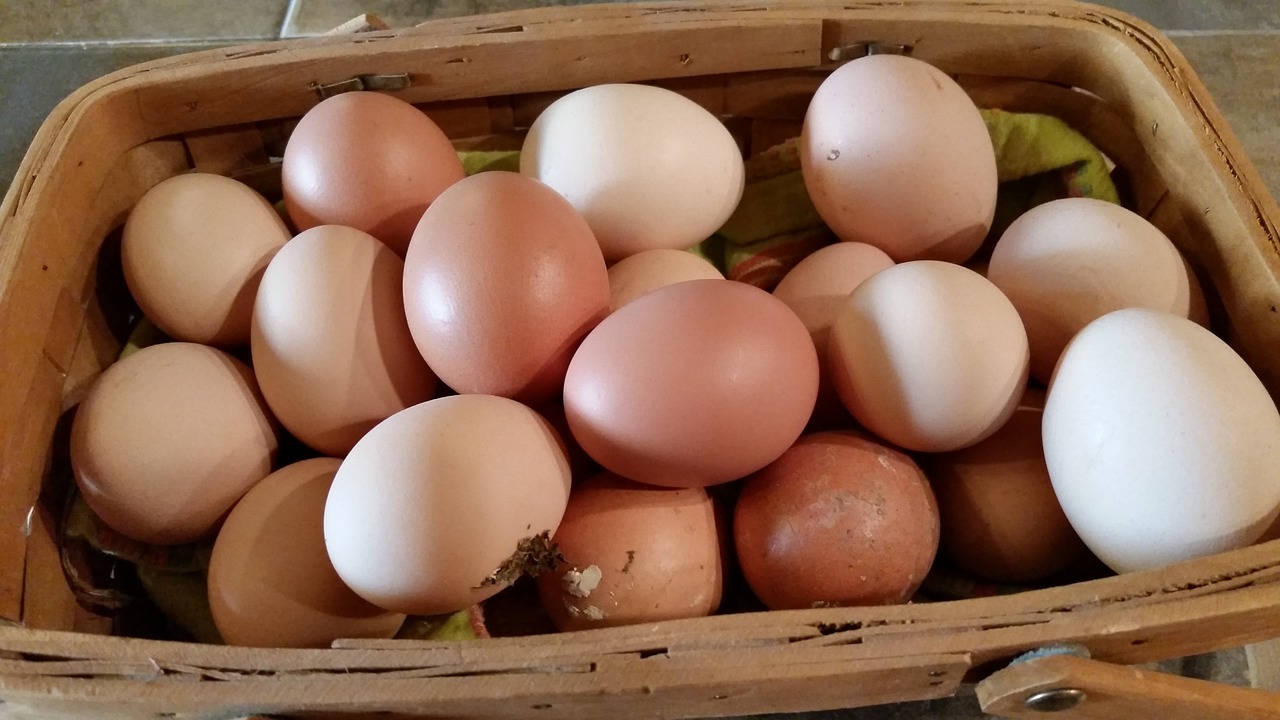
On the other hand, farm-fresh eggs don’t necessarily need to be refrigerated, because the eggs are unwashed, retaining the natural protective coating, which helps keep out bacteria, therefore, preserving freshness.
However, farm-fresh eggs generally have a longer shelf life when refrigerated compared to eggs that are not. If you chose to keep your unrefrigerated farm-fresh eggs on the counter, they should be used within a week or so.
How to Properly Store Eggs
Store your refrigerated eggs point down.
Don’t store them on the door where temperatures fluctuate.
Once an egg is refrigerated it must remain refrigerated.
Your store-bought refrigerated eggs in the U.S. have a shelf life of about 4-5 weeks beyond the pack date.
How to Determine the Freshness of an Egg:
Fill a bowl with water and gently place the eggs into it.
If the eggs sink and lay flat on the bottom, they are fresh.
If they stand upright on the bottom they are less fresh.
If they float to the surface the egg should be discarded.
Interesting Fact: Not all countries refrigerate eggs at the retail level, here are some examples:
United Kingdom, Ireland, Australia, New Zealand, and Scandinavian countries.

Back to Chicken Keeping Resources HOME PAGE

Oyster Shells vs Crushed Egg Shells

Both oyster shells and egg shells can serve as valuable calcium supplements for chickens, but there are a few reasons why oyster shells are considered a better option. They are more easily digestible for chickens than eggshells. Oyster shells have a porous structure that allows for better breakdown, eggshells are denser and can be more challenging for chickens to break down effectively.
First, let’s understand why you may want to supplement with oyster shells. The purpose of this as a supplement is for the quality of your flock’s eggs. The high calcium content and digestibility of oyster shells contribute to better shell quality in chicken eggs, reducing the chances of shell breakage or deformities.


Calcium Content of Oyster Shells
Oyster shells generally contain a higher amount of calcium compared to egg shells. Calcium is a crucial nutrient for chickens as it helps in the formation of strong eggshells, supports skeletal health, and aids in proper muscle and nerve function.
Slow Release
Oyster shells release calcium slowly into the chicken’s system, allowing for better absorption and utilization. On the other hand, egg shells may break down more quickly, potentially resulting in a sudden influx of calcium that the chicken’s body cannot fully absorb.
Digestibility
Oyster shells are more easily digested by chickens due to their structure and composition. They contain a form of calcium carbonate that is readily absorbed by the chicken’s digestive system. Egg shells, although also composed of calcium carbonate, have a slightly different structure and may be less efficiently broken down and utilized by chickens.

Back to Chicken Keeping Resources HOME PAGE