About the Mille Fleur

Mille Fleur means “Thousand Flowers” in French, which refers to the colorful feather patterns on the birds.


Appearance:
The Mille Fleur chicken has a small to medium-sized body, weighing between 1.5 to 2.5 kg.
The most distinct feature of this breed is its feathers, which are covered in small, round, and colorful spots.
The base color of the feathers is typically a light brown or tan, with black, white, and reddish-brown spots.
They have a single comb, red wattles, and yellow skin.
Temperament:
Mille Fleur chickens are known for being friendly and docile, making them great pets.
They are active foragers and enjoy free-ranging.
Relatively quiet and do not make a lot of noise, which makes them suitable for urban environments.
Egg production: 😦
Mille Fleur hens in my opinion are not prolific egg layers.
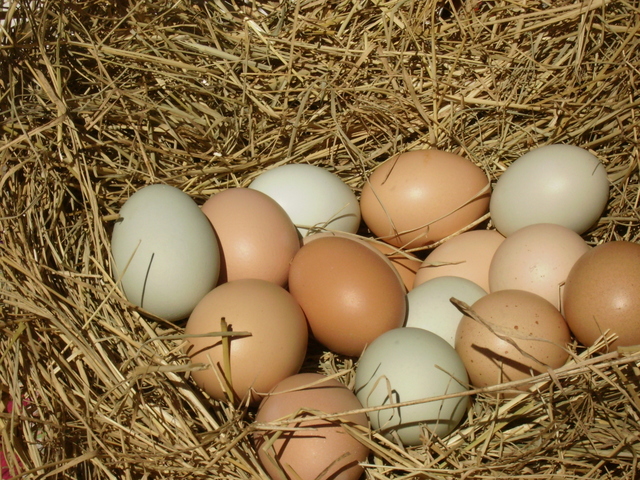
Their eggs are very small with a very light brown or tinted shell color.
About
The Mille Fleur d’Uccle is an ornamental chicken that is known for its distinctive appearance and small size. The name “d’Uccle” is derived from the town of Uccle (or Ukkel) in Belgium, where this breed is believed to have originated.
The Mille Fleur d’Uccle is a bantam breed, which means it is a smaller version of a standard-sized chicken. It is known for its unique feather pattern, characterized by a mottled or speckled appearance with a base color of white or cream and tiny black or dark brown spots that resemble a “thousand flowers” or “mille fleurs” in French. The feather pattern is intricate and complex, with each feather having its own unique arrangement of spots, making each bird’s pattern slightly different.
The exact origin of the Mille Fleur d’Uccle is unclear, but it is believed to have been developed in the late 19th or early 20th century in Belgium through crossbreeding of several other bantam chicken breeds, including the Barbu d’Anvers (d’Anvers or Antwerp Belgian) and the Barbu de Watermael (de Watermael Belgian). The aim was to create a unique and visually appealing breed for exhibition and ornamental purposes.
The Mille Fleur d’Uccle has gained popularity worldwide as an ornamental chicken breed due to its attractive appearance, friendly temperament, and small size, which makes it suitable for backyard or urban chicken keeping. Today, it is recognized as a distinct breed by many poultry associations and is exhibited in poultry shows and competitions around the world.

Back to HOME PAGE

How Long Are Eggs Good For?

The freshness and safety of eggs can vary depending on several factors, including how they are stored and whether they are raw or cooked. However, I can offer you the basic safety guidelines to follow. There is also an easy float test that can determine the age of an egg, so let’s get started.
Fresh eggs (in the shell): Fresh eggs can be stored in the refrigerator for up to 4-5 weeks from the date of purchase. However, it’s best to use them within the first 3 weeks for optimal quality and taste.
Hard-boiled eggs: Hard-boiled eggs, with the shell intact, can be stored in the refrigerator for up to 7 days. It’s important to keep them refrigerated and avoid leaving them at room temperature for too long.
Raw eggs (cracked): If you crack eggs and store them in an airtight container in the refrigerator, they should be used within 1-2 days. However, it’s generally recommended to use fresh, uncracked eggs for the best results.
Cooked eggs (scrambled, fried, etc.): Cooked eggs can be stored in the refrigerator for up to 3-4 days. Make sure to store them in a covered container to prevent cross-contamination with other foods.
Egg dishes (quiche, frittatas, casseroles, etc.): If eggs are used in cooked dishes like quiche, frittatas, or casseroles, they should be consumed within 3-4 days when stored in the refrigerator.

Float Test to Determine Freshness

This is a Simple Way to Determine the Freshness of an Egg
Fill a bowl with water with enough water to fully submerge an egg.
Carefully place the egg in the water until fully submerged.
Fresh Eggs Behave Differently From Older Eggs
Fresh eggs: If an egg sinks to the bottom and lies flat on its side, it is very fresh and safe to eat. The egg yolk will be plump and the white will be thick.
Less fresh eggs: If an egg stands upright on the bottom of the bowl, it is not as fresh, but still safe to eat. The egg yolk may be slightly less plump and the white may be slightly thinner.
Old eggs: If an egg floats to the surface or stands upright on the surface of the water, it is not fresh and should be discarded. The egg yolk will be flat and the white will be watery.

Back to Chicken Keeping Resources HOME PAGE

.

Farm Fresh Eggs Better Than Store Bought, Here’s Why

Farm-fresh eggs are often considered to be of higher value compared to store-bought eggs due to a variety of factors.

Nutritional value: Farm-fresh eggs are often considered to be more nutritious than store-bought eggs. This is because hens raised on small farms are typically allowed to roam outside and eat a more varied diet than factory-farmed chickens. As a result, their eggs tend to be richer in nutrients such as omega-3 fatty acids, vitamins A and E, and beta-carotene.
Taste: Many people also believe that farm-fresh eggs taste better than store-bought eggs. This is because the yolks tend to be richer in color and flavor, and the whites tend to be firmer and creamier. Additionally, since farm-fresh eggs are often fresher than store-bought eggs, they may have a better texture and flavor.
Sustainability: Choosing farm-fresh eggs can also be a more sustainable choice. Small-scale farmers often raise their hens in a more humane and environmentally-friendly way, and buying eggs directly from farmers can help support local agriculture.
Safety: While all eggs are required to be inspected for safety, farm-fresh eggs may be perceived as being safer since they are often sold directly to consumers by the farmers who raised the hens. This can reduce the risk of contamination or food-borne illnesses that can occur during transportation and storage.
Note:
Farm-fresh eggs can be a great choice for people who prioritize nutrition, taste, sustainability, and food safety. However, it’s important to note that not all farm-raised eggs are created equal, and it’s important to do your research to find a trusted source for your eggs. Or, maybe consider having your own backyard flock, just be sure to check your local laws on keeping poultry before you join the chicken-keeping craze.

Back to Chicken Keeping Resources HOME PAGE