Choosing the Right Feed For Chicks and Chickens

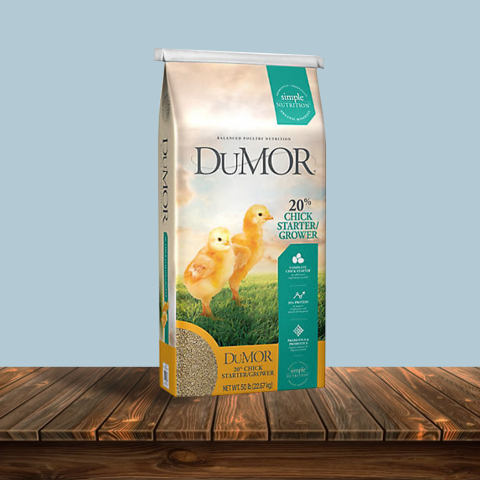
Starter / Grower Feed

Specifically formulated for baby chicks.
You will feed this all the way until the first egg.

Layer Pellets (I feed my hens this brand)

Layer Feed: This feed is for adult laying hens that are producing eggs. It usually contains higher levels of calcium and other nutrients to support egg production and shell formation. Also available in crumbles, either is suitable for your birds.
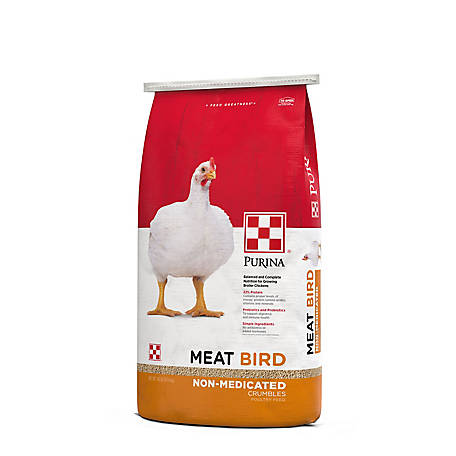
Broiler/ Meat Bird

This feed is formulated specifically for meat chickens, also known as broilers. It has higher levels of protein and energy to promote rapid weight gain and muscle development.
I mix this higher protein feed in my Silkies’ feed as they tend to need a bit more protein than other breeds.
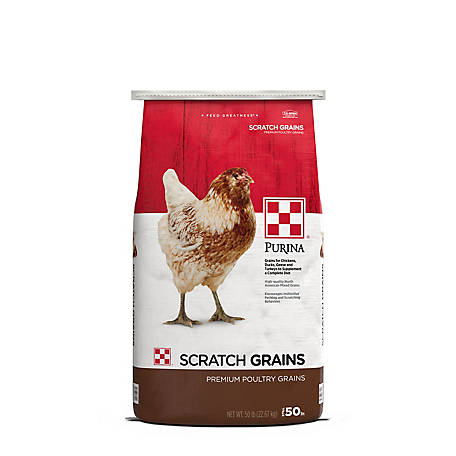
Scratch Grains

Scratch grains are a mixture of grains such as corn, wheat, and barley, and are typically fed as a treat or supplement rather than as a complete feed. Scratch should not be the sole source of nutrition.

Organic Feed (Expensive)

Organic chicken feed is made from ingredients that are grown without the use of synthetic fertilizers, pesticides, antibiotics, or genetically modified organisms (GMOs).
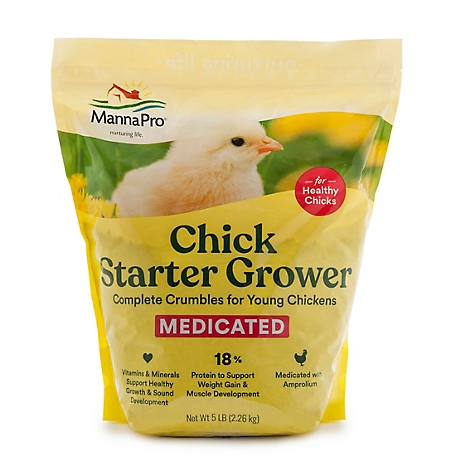
Medicated Chick Starter

Medicated chicken feed that contains added antibiotics.
I use medicated feed for mail-order chicks for the first week after they arrive.

Back to Chicken Keeping Resources HOME PAGE

Labels on Egg Cartons and What They All Mean

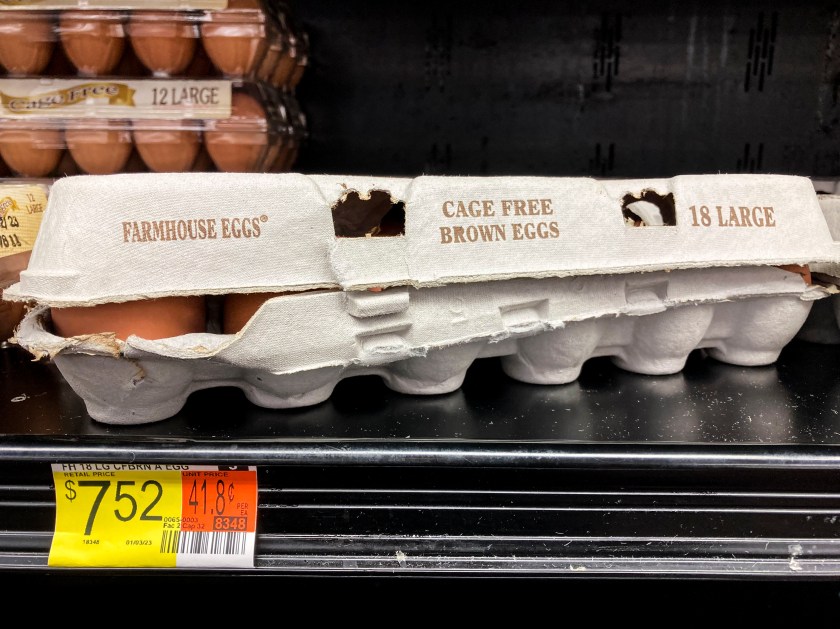
Oh my, just look at that price! (2022)

It can be a bit confusing buying eggs these days, lots of different labels, and prices too! Each label indicates something different about the way the eggs were produced, here’s a breakdown of what the most common labels mean.
Organic: In order for eggs to be labeled as “organic,” the hens that laid them must be raised according to certain standards. These standards include being fed an organic diet, having access to the outdoors, and being raised without synthetic pesticides or fertilizers.
Cage-Free: This label means that the hens that laid the eggs were not raised in traditional battery cages, which are small wire cages stacked on each other. However, it does not necessarily mean that the hens had access to the outdoors or were raised according to any specific standards.
Free-Range: This label indicates that the hens had some access to the outdoors. However, the amount of time they are allowed to spend outside, and the size and quality of the outdoor space can vary.
Pasture-Raised: This label indicates that the hens had access to the outdoors and were able to roam and forage on a pasture.
Omega-3 Enriched: This label indicates that the hens were given feed that is supplemented with omega-3 fatty acids, which can contribute to the nutritional content of the eggs.
Vegetarian-Fed: This label indicates that the hens were not given any animal byproducts in their feed and were only given a vegetarian diet.
No Hormones: This label indicates that the hens were not given any hormones to boost their egg production. This is not a requirement for all egg producers, as the use of hormones is already prohibited in egg-laying hens in the United States.
No Antibiotics: This label indicates that the hens were not given any antibiotics, either to prevent or treat illness. This is not a requirement for all egg producers, as the use of antibiotics is regulated by the FDA.
Battery: This term refers to the traditional method of raising hens for their eggs, in which they are kept in small, crowded wire cages. This method is now illegal in some countries but is still used in others. (Most commonly found on the grocery shelf at the lowest price).
Note: It’s important to note that these labels are not necessarily regulated in the same way in all countries, so the conditions in which the hens were raised may vary depending on where the eggs were produced.

Back to Chicken Keeping Resources HOME PAGE