Winter Chicks in Phoenix AZ

Two Week Old Chicks Meet the Flock With Protective Mother Hen

Momma Raven with Dolly Parton

I wasn’t convinced that having baby chicks in December was a smart move, but my Silkie hen seemed confident, so I went along with it. As a seasoned mother hen, I trusted her, and even though the temperatures are cold at night, she has kept them toasty warm.
The chicks are now two and a half weeks old. She’s brought them out from their little safe house to meet the rest of the flock, and there’s been no drama, except for her overbearing protection of the babies. The other hens have been thoroughly warned to keep their distance, and they absolutely do.
It’s December, with daytime temperatures in the 60s and nighttime lows in the 40s. There’s no heat in the coop, but it’s fully protected from inclement weather. Throughout the day, she regularly settles in, allowing her babies to snuggle under her for warmth. At dusk, Mom gathers her babies and takes them back to their little safe house, where they snuggle under her wings in a nest box filled with fluffy bedding until dawn. Did I go out the first few nights to check if they were warm? Of course! Chicks Dolly Parton and Loretta Lynn were warm as toast, so my backup heated brooder plan was unnecessary, however, the peace of mind was appreciated.

Back to HOME PAGE

Chicken Keeping City Ordinances Phoenix AZ 2025

A good example of a backyard coop for 6 chickens
  • Poultry & Rodents (Section 8-7) phoenix.municipal.codes
  • Recent Changes: Ordinance (G-1367) & State Law : 2024 (HB 2483)

Restrictions

No coop/enclosure can be within 20 feet of a neighboring property line — unless you get written permission from the neighbor.
Poultry cannot be kept in the front yard; coops/enclosures must be in the side or rear yard.
Enclosures must prevent the birds from wandering onto neighboring properties.
Up to 6 poultry (or 25 rodents, or a combo) are allowed on a lot ½ acre or less, unless you get written permission from neighbors to have more.
If your lot is larger, you can keep more: for each additional ½-acre, you can have 20 more birds (or 25 rodents, or combination).
Roosters (male poultry) are not allowed unless they are incapable of making loud vocal noises (i.e., no crowing).
Enclosures must be kept clean so there is no offensive or noxious smell that affects neighbors.

Sanitation & Maintenance (Section 8-8)

Manure and droppings must be removed from the pen/coops at least twice weekly, and removed from the property at least twice a week.
The area must not become a health nuisance — meaning no bad odors, no vermin, no accumulation of refuse, etc.
The premises (coop/pen) are subject to inspection by the City Health Officer.
Animals (including poultry) may not run at large; they must be confined.

Minimum Lot Size (Section 8-10)

Generally, you need at least 10,000 square feet of lot area to legally keep certain “animals” under the ordinance.
However: poultry may be kept on smaller lots (< 10,000 sq ft) if you get written permission from all neighbors (occupants and owners of adjacent lots).

Penalties

Violating the keeping-of-animals rules (including the poultry rules) can result in a Class 1 misdemeanor.
Alternatively, the city prosecutor may treat some cases as civil violations, with fines ranging from $150 to $2,500.

Recent Changes to Be Aware Of

Ordinance G-1367: Several of the current rules (8-7, 8-8, 8-9, 8-10) were amended under this ordinance.
State Law (HB 2483): In 2024, Arizona passed a law that limits how restrictive cities can be with backyard chicken rules. Specifically: municipalities cannot ban single-family homeowners (on lots ½ acre or smaller) from keeping fowl.
Because of that, Phoenix’s regulations must align — so some restrictions (like total bans) are not allowed anymore under state law. (Arizona Legislature)


Back to HOME PAGE

Definition of Ornamental, Exotic, and Designer Chickens

What’s the Difference & Where to Find Them

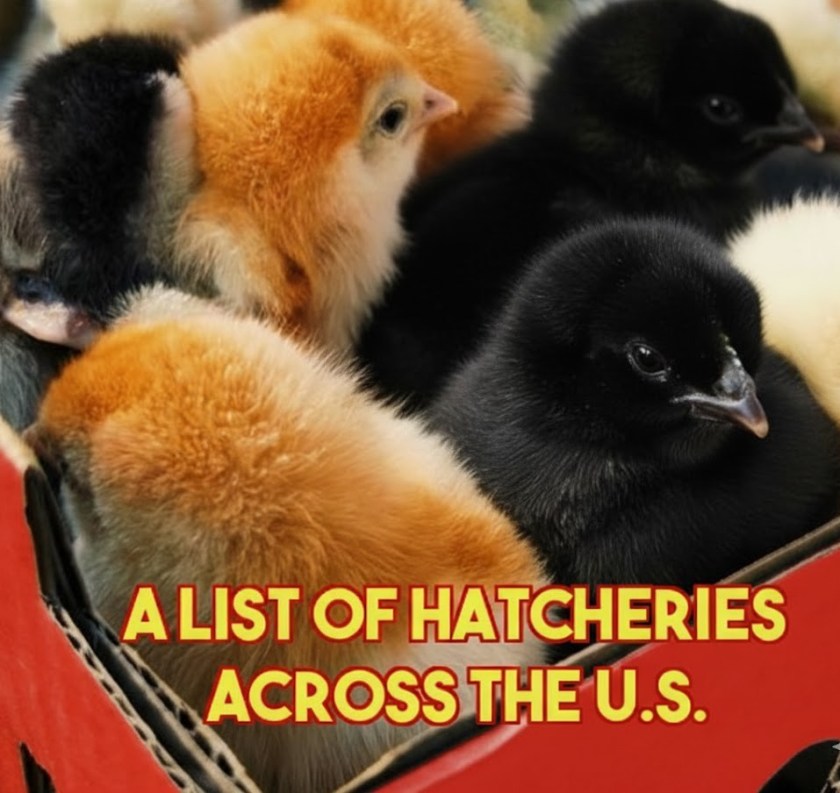
Not all chickens are bred just for eggs or meat, some are raised for their beauty, uniqueness, or both. You’ll often hear the terms ornamental, exotic, and designer used to describe different kinds of specialty breeds. You’ll find a link below to help direct you to U.S. based hatcheries who may have these special breeds available.
Here’s what sets these specialty breeds apart:
Ornamental Chickens
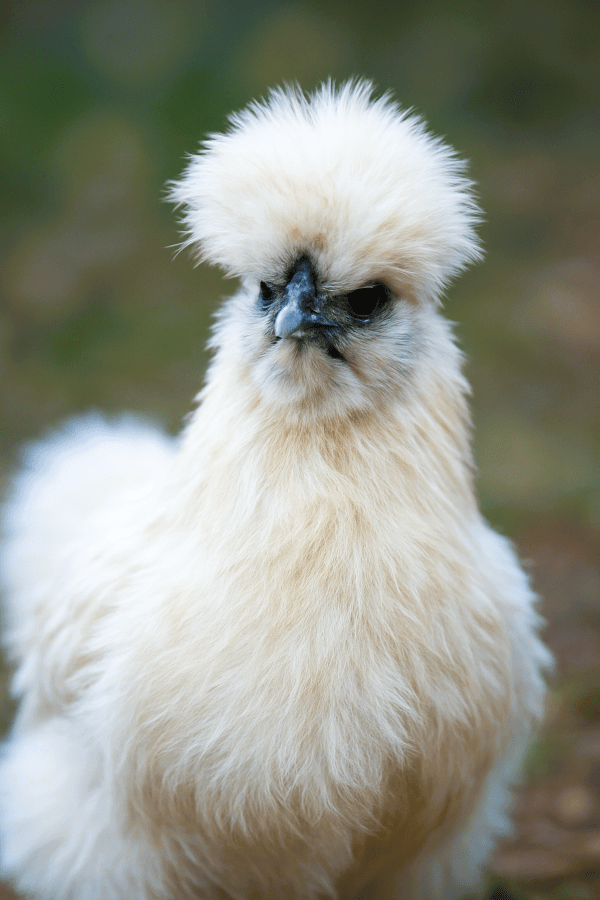
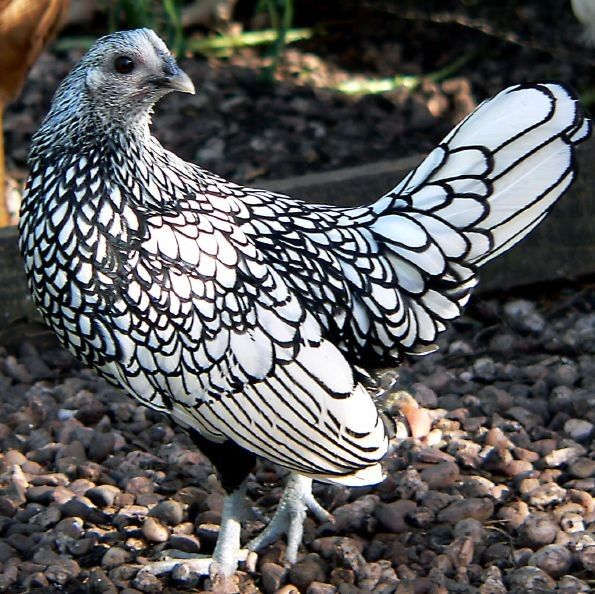
Ornamental chickens are the showstoppers of the poultry world. These birds are bred mainly for their appearance rather than production. With their fancy plumage and striking colors, they’re often found in exhibition shows or simply admired by the backyard chicken keeper. A few common examples of these birds are the Sultan, Polish, Silkie (my favorite), and the Sebright.


Designer Chickens (Sometimes called hybrids)
Designer chickens are all about creativity and crossbreeding. These birds aren’t purebred but are intentionally mixed to bring out special traits, like unique feather colors, egg hues, or personality. They are usually created by hatcheries or breeders for specific visual or egg color traits, blending both aesthetic and functional qualities, unlike exotic or ornamental breeds, which are historic or purebred.
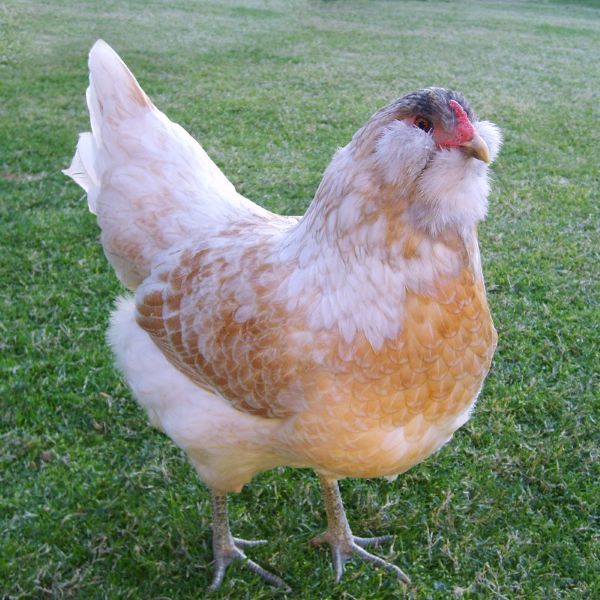
A good example of designer chickens are Olive Eggers (a cross between Ameraucanas and Marans) and Easter Eggers, known for their colorful blue-green eggs. Both are prolific egg layers.


Exotic Chickens
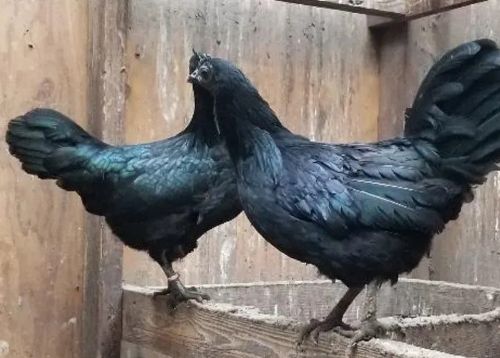
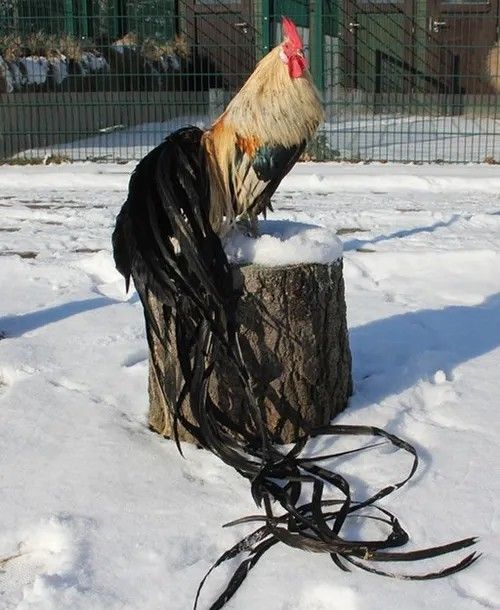
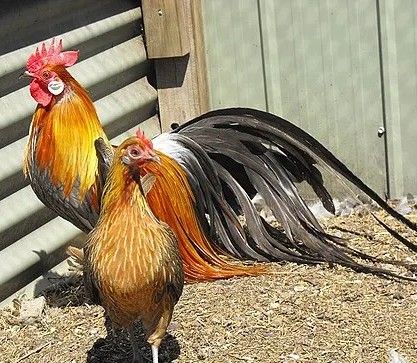
“Exotic” refers to breeds that are rare or foreign to your region. I have never seen any of these birds in real life, but here are a few examples.
Ayam Cemani (Indonesia), Onagadori (Japan), Phoenix (Germany, derived from Japanese stock), Svart Hona (Sweden)

How & Where to Find Specific Breeds

First Time Buying from a Hatchery? Here’s What to Expect

Most hatcheries have a minimum order of 3 to 15 chicks to keep them warm in transit. You’ll choose your preferred breeds and check for an available shipping date at checkout. Hatcheries only ship newly hatched chicks so they can safely survive the journey without food or water due to absorbed yolk nutrients. Chicks are shipped via USPS Priority Express or Priority Mail. Delivery usually takes about 2 days. Your local post office will call you when your chicks arrive.

Back to HOME PAGE