A Glossary of Basic Chicken Terms
Bantam: Diminutive breed of domestic fowl.
Boiler: Chicken 6 to 9 months old.
Broiler: Cockerel of 2 to 3 pounds at 8 to 12 weeks old.
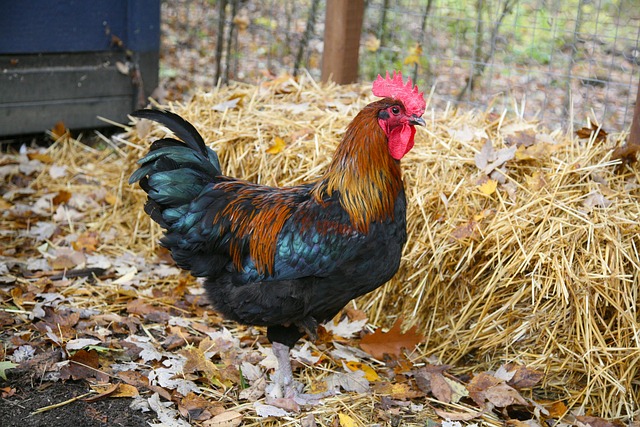
Cock: Male chicken, or rooster.
Cockerel: Young rooster under 1-year-old.
Fryer: Chicken 3 to 4 pounds at 12 to 14 weeks old.
Hen: Female chicken.
Point of Lay Pullet: Young female chicken just about to lay, about 5 months old.
Pullet: Young female chicken under 1-year-old.
Roaster: Chicken 4 to 6 pounds and over 12 to 14 weeks old.
Rooster: Male chicken, also called a cock.
Sexed Chicks: Separated by sex, pullets, and cockerels.
Straight Run: Mix of pullets and cockerels.
Broody: When the hen has the urge to sit on her eggs to try and hatch them.
Clutch: Batch of eggs in a nest.
Comb: Red muscle on the head of chickens.
Coop: The place where your poultry lives is referred to as a poultry coop.
Crest: Bunch of feathers on the head of certain breeds.
Crop: Pre-digestive system of the chicken. Food collects at the base of the neck and is softened before going through the digestion process.
Cushion: Area of the back in front of the tail on the female chicken.
Down: Soft fine feathers on chicks.
Droppings: Chicken manure.
Dust bath: To bathe in dry dust or sand, and it helps remove any mites from their feathers.
Flight feathers: Biggest primary feathers on the final half of the wing.
Free range: To allow chickens to roam the pasture freely.
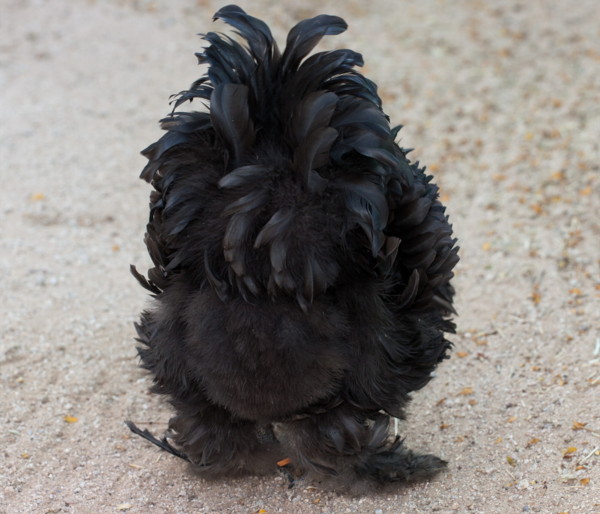
Frizzle: Feathers that curl rather than laying flat also a breed of chicken.
Gizzard: Internal organ of the chicken that collects grit and grinds food down.
Grit: A grinding agent used in digestion, added to a chicken’s diet if not allowed to free range.
Growers: Growing chickens between 9 and 20 weeks.
Hackles: Cape feathers of a rooster.
Hybrid: Genetically bred from two different breeds of chicken for good characteristics from both.
Impaction: Blockage of a body passage or cavity, such as the crop.
Keel: Breast bone – which resembles the keel of a boat.
Layers: Mature female chickens kept for egg production.
Mash: Mixture of wet or dry coarse ground feed.
Moult: Yearly shedding and replacement of poultry feathers.
Muff: Feathers sticking out from both sides of the face under the beak of certain breeds such as Ameraucana.
Nest Box: Secluded safe place where a hen feels she can leave her eggs.
Nest Egg: Wooden or plastic egg put in the nest box to encourage hens to lay there.
Pecking order: Social ranking of a flock.
Pellets: Poultry pellets are formed from a fine mash bonded together.
Poultry: Domestic fowls, such as chickens, turkeys, ducks, or geese, raised for meat or eggs.
Pure breed: Not been crossed with another chicken breed is known as a purebred.
Saddle: Area of the back in front of the tail on the male.
Spurs: Protrusions on the legs of roosters.
Utility: Bred for meat or chickens bred for eggs rather than poultry shows.
Vent: Orifice at the rear end of the chicken through which both eggs and feces are passed.
Wattles: Fleshy appendages hanging on the sides of the lower beak of poultry.


 TBN Ranch Chicken Keeping Resources