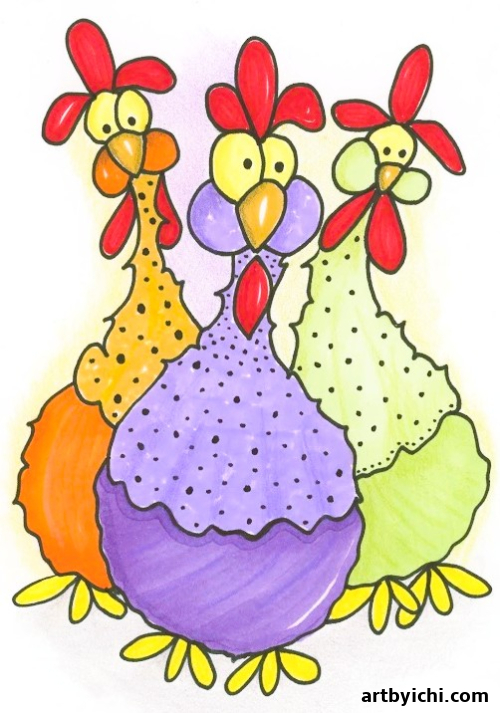
A Little Bit of Country in the Big City

Our little hobby farm was once tucked away in a quiet corner of Phoenix, but over the years, the city has grown around us, bringing many changes. Housing developments and businesses have increased traffic, and the once-tranquil surroundings are now filled with the constant hum of a nearby freeway—a freeway that didn’t even exist when we first bought this property. We also live near what was once a small airport, which has since grown into one of the busiest in the country. As a result, overhead air traffic and noise have become part of our daily lives.

Our hobby farm

Yet, amidst all this change, our little hobby farm remains much the same. We still raise chickens and visit the local feed store, a community staple since 1966. Walking into the store feels like stepping back in time, with the scent of fresh hay and grain in the air, friendly faces, and free-roaming feathered friends adding to the charm.

One of those friends is a regular at the feed store—a large turkey who follows me around and always makes me feel welcome. He’s often in the way, taking his sweet time strutting in front of my truck—especially when I’m in a hurry. Guinea hens perch on the rooftops like vigilant security guards, while the resident chickens entertain with their antics in a unique rustic enclosure.

Back to HOME PAGE

Protecting Backyard Flocks from Avian Influenza

USDA recommends that owners of backyard flocks follow these six tips to prevent poultry disease. Feb. 2025

  • Keep your distance (restrict access to your property and your birds.)
  • Keep it clean (clean and disinfect your clothes, shoes, equipment, and hands.)
  • Don’t haul disease home (if you have been near other birds or bird owners, clean and disinfect poultry cages and equipment before going home.)
  • Don’t risk disease from your neighbor (do not borrow lawn and garden equipment, tools, or poultry supplies from other bird owners.)
  • Know the warning signs (sudden increase in bird deaths, sneezing, coughing, nasal discharge, watery or green diarrhea, lack of energy, poor appetite, drop in egg production, swelling around the eyes, neck, and head, and purple discoloration of wattles, combs, and legs.)

Report sick birds (call your local or State veterinarian, or USDA toll-free at 1-866-536-7593).

What can poultry producers do to prevent an outbreak on their farms?

  • Keep an “all–in, all–out” philosophy of flock management. Avoid skimming flocks—birds left behind are exposed to work crews and equipment that could carry poultry disease viruses.
  • Process each lot of birds separately, and clean and disinfect poultry houses between flocks.
  • Protect poultry flocks from coming into contact with wild or migratory birds. Keep poultry away from any source of water that could have been contaminated by wild birds.
  • Permit only essential workers and vehicles to enter the farm.
  • Provide clean clothing and disinfection facilities for employees.
  • Thoroughly clean and disinfect equipment and vehicles (including tires and undercarriage) entering and leaving the farm.
  • Do not loan to, or borrow equipment or vehicles from, other farms.
  • Change footwear and clothing before working with your own flock after visiting another farm or live–bird market or avoid visiting another bird farm if possible.
  • Do not bring birds from slaughter channels, especially those from live–bird markets, back to the farm.
  • If avian influenza is detected, farms must be thoroughly cleaned and disinfected. Avian influenza viruses are inactivated by heat and drying and also these viruses are very sensitive to most disinfectants and detergents. The area to be disinfected must be clear of organic material, which greatly increases the resistance of avian influenza virus’ resistance to disinfection.

What should producers do if their birds appear to have signs of avian influenza?

If birds exhibit clinical signs of highly pathogenic avian influenza or might have been exposed to birds with the disease, producers or bird owners should immediately notify Federal or State animal health officials.

All bird owners, whether commercial producers or backyard enthusiasts, should continue to practice good biosecurity, prevent contact between their birds and wild birds, and report sick birds or unusual bird deaths to State/Federal officials, either through their state veterinarian or through USDA’s toll-free number at 1-866-536-7593.
Additional information on biosecurity for backyard flocks can be found at http://healthybirds.aphis.usda.gov.

Back to Home Page

Chicken Mites and Lice Treatment

A video by the Chicken Chick on how to treat mites & lice with Elector PSP, which is available on her website.

Back to HOME PAGE