Definition of Ornamental, Exotic, and Designer Chickens

What’s the Difference & Where to Find Them

Not all chickens are bred just for eggs or meat, some are raised for their beauty, uniqueness, or both. You’ll often hear the terms ornamental, exotic, and designer used to describe different kinds of specialty breeds. You’ll find a link below to help direct you to U.S. based hatcheries who may have these special breeds available.
Here’s what sets these specialty breeds apart:
Ornamental Chickens
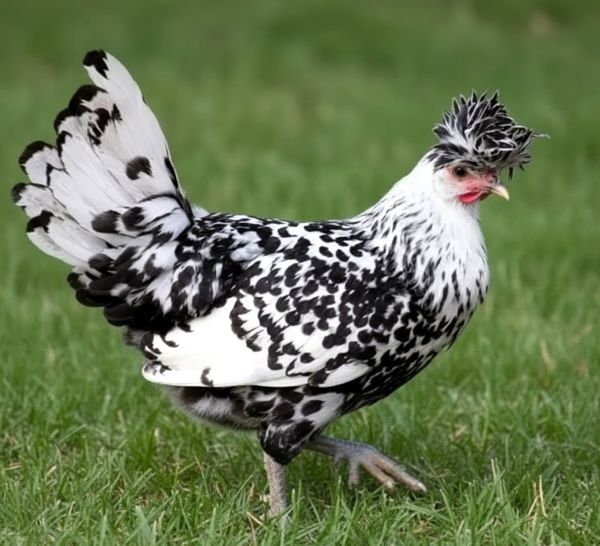
Ornamental chickens are the showstoppers of the poultry world. These birds are bred mainly for their appearance rather than production. With their fancy plumage and striking colors, they’re often found in exhibition shows or simply admired by the backyard chicken keeper. A few common examples of these birds are the Sultan, Polish, Silkie (my favorite), and the Sebright.


Designer Chickens (Sometimes called hybrids)
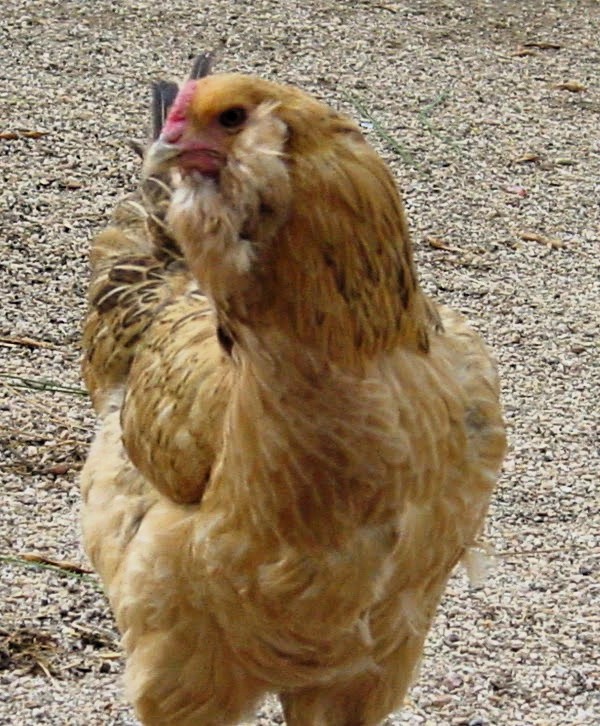
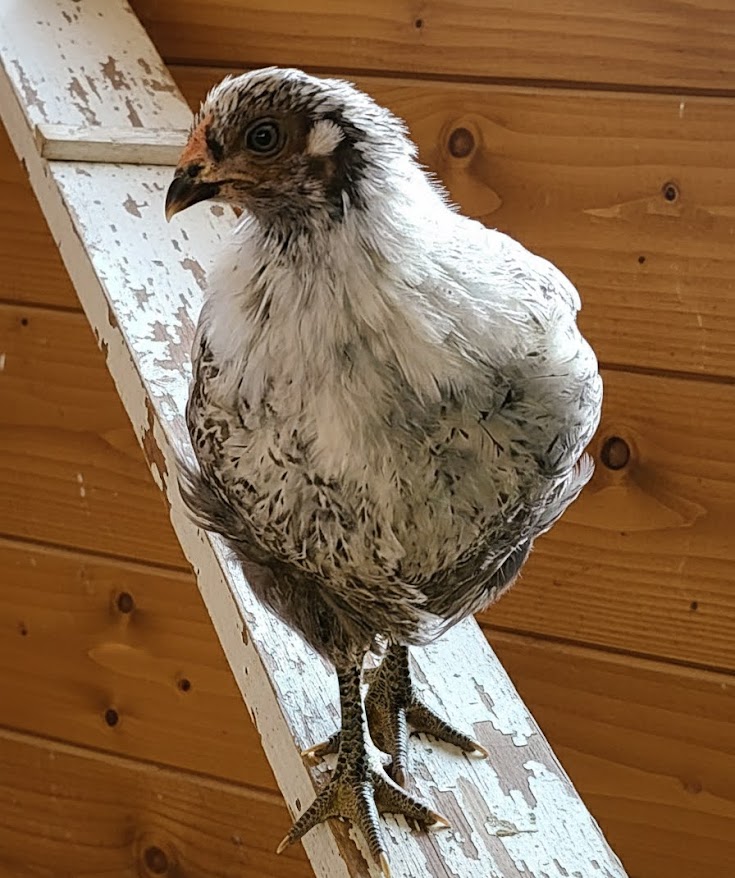
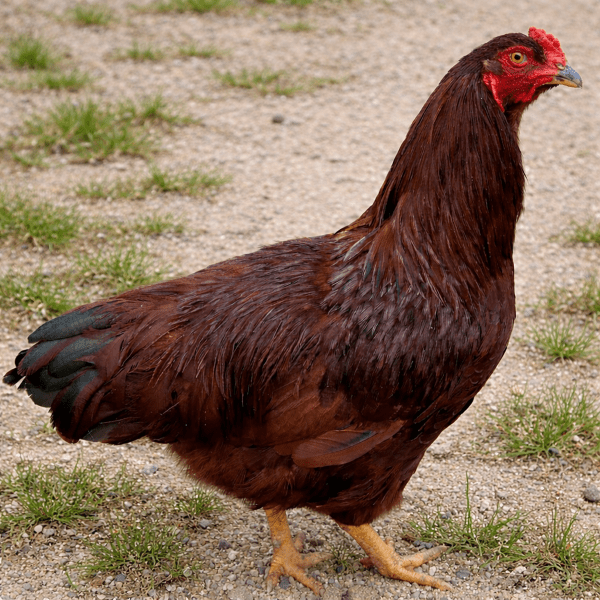
Designer chickens are all about creativity and crossbreeding. These birds aren’t purebred but are intentionally mixed to bring out special traits, like unique feather colors, egg hues, or personality. They are usually created by hatcheries or breeders for specific visual or egg color traits, blending both aesthetic and functional qualities, unlike exotic or ornamental breeds, which are historic or purebred.
A good example of designer chickens are Olive Eggers (a cross between Ameraucanas and Marans) and Easter Eggers, known for their colorful blue-green eggs. Both are prolific egg layers.


Exotic Chickens
“Exotic” refers to breeds that are rare or foreign to your region. I have never seen any of these birds in real life, but here are a few examples.
Ayam Cemani (Indonesia), Onagadori (Japan), Phoenix (Germany, derived from Japanese stock), Svart Hona (Sweden)

How & Where to Find Specific Breeds

First Time Buying from a Hatchery? Here’s What to Expect

Most hatcheries have a minimum order of 3 to 15 chicks to keep them warm in transit. You’ll choose your preferred breeds and check for an available shipping date at checkout. Hatcheries only ship newly hatched chicks so they can safely survive the journey without food or water due to absorbed yolk nutrients. Chicks are shipped via USPS Priority Express or Priority Mail. Delivery usually takes about 2 days. Your local post office will call you when your chicks arrive.

Back to HOME PAGE

Silkie Bantam: A Complete Guide

Written by a real person & chicken keeper!

The Silkie Bantam (my personal favorite breed) is a very unique breed, believed to have originated in Asia — possibly China, India, or Japan. Classified as a bantam breed, they are recognized by the American Poultry Association in both bearded and non-bearded varieties, with several accepted colors including white, black, blue, buff, partridge, splash, and gray.
Physical Traits
Silkies are most famous for their signature soft, fluffy, fur-like appearance. Their skin is a black-blueish color, and their comb and wattles are mulberry-colored. Unlike most chickens, Silkies have five toes instead of four. They are small in size, with hens weighing around 2–3 pounds and roosters 3–4 pounds. They lay cream or tinted eggs, producing about three a week, when not broody.  While not prolific layers, they more than make up for it with their exceptional broody tendencies. (broody describes a hen’s natural instinct to sit on eggs and hatch them.)
Temperament
Silkies are extremely gentle, calm, and friendly, especially if they are handled often as chicks. I don’t have much experience with roosters since they aren’t allowed where I live, but sources claim they are usually less aggressive than those of other breeds.
Heat and Cold Tolerance
Silkies require a bit more care in extreme weather due to their feather structure. Their fluffy feathers don’t insulate as well as standard feathers and are not waterproof. In cold weather, they can easily become chilled if they get wet. They tolerate mild cold fairly well if kept dry and in a draft-free coop, but below freezing they need extra protection such as insulation, deep bedding, and careful monitoring for frostbite.
When it comes to heat, many sources claim Silkies struggle in high temperatures. However, I will argue that since I raise Silkies in the desert. With a misting system, a fan, plenty of shade, and a shallow pool, my Silkies have handled temperatures as high as 119 and do remarkably well. In fact, my heavier breeds show far more signs of distress in extreme heat than the Silkies.
Broody Tendencies
Many hens will go broody multiple times a year, and once they commit, they are determined — even if it means setting on an empty nest. A broody hen will set on eggs for 21 days, raise the chicks for several weeks to a few months, and may start the cycle again shortly afterward. While broody, a hen doesn’t lay eggs, which explains why Silkies produce fewer eggs overall than non-broody breeds. FYI, a broody hen will happily set on and hatch eggs laid by other members of the flock.

Back to HOME PAGE

The Mottled Houdan

Mottled Houdan: My Pet Chicken

The Mottled Houdan is an ancient breed that originated in France. They are known for their unique appearance and have become popular exhibition birds due to their striking plumage.
Appearance: Houdans are crested and have a V-shaped comb, five toes & a beard.
Plumage: The Houdan breed is known for its beautiful plumage, characterized by a striking contrast of black and white.
Temperament: Houdans are known to be calm, friendly, and docile birds.
Egg Production: Low, 2-3 white eggs a week.
Cold Hardiness: Not cold hardy.
Heat Tolerant: Yes.
Exhibition Qualities: Houdans are highly regarded in the exhibition poultry community for their unique appearance.
Abundance: Considered rare.

Back to Chicken Keeping Resources HOME PAGE