Chicken Keeping in Winter

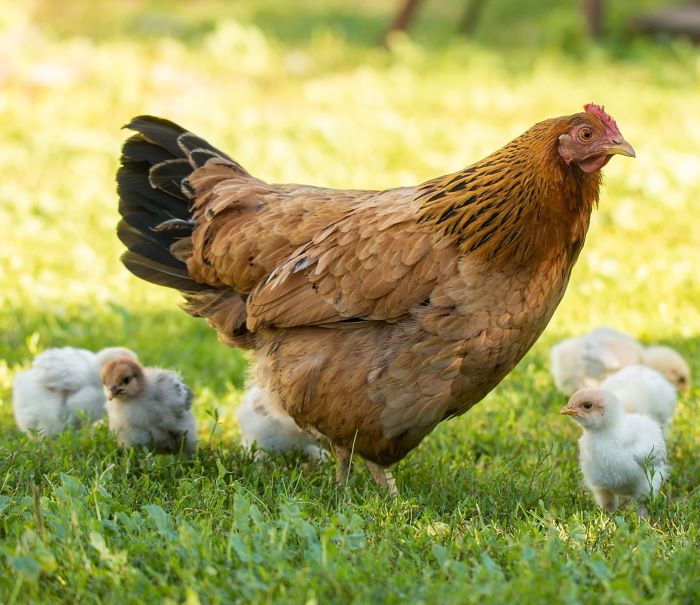
Raising chickens in the winter can be a bit more challenging than in the warmer months, but it is doable with the right preparation and care.
First and foremost, it is important to make sure that your chicken coop is properly insulated and draft-free. Chickens are prone to frostbite on their combs and wattles (the fleshy protuberances on their heads and necks), so it is important to keep the coop warm enough to prevent this from occurring. One way to do this is by adding extra insulation to the coop, such as by attaching blankets or foam boards to the walls.
Chickens tend to eat more in the winter to keep their bodies warm, so it is important to make sure that they have plenty of food available. It is also a good idea to provide them with high-energy treats, such as scratch grains and suet, to help them stay warm. Water is just as important, as chickens need to stay hydrated to stay healthy. However, water can freeze in the winter, so make sure you keep an eye on their water source.
Finally, it is important to keep an eye on the chickens for any signs of illness or distress. Chickens are prone to several winter-related health issues, such as frostbite, respiratory infections, and parasites. To prevent these issues, make sure to keep the coop clean and dry, and be on the lookout for any signs of illness.
Raising chickens in the winter can be a bit of a challenge, but it is doable with the right preparation and care. By making sure that the coop is properly insulated, the chickens have access to food and water, and they have plenty of space to move around, you can help ensure that your chickens stay healthy and happy all winter long.

Back to HOME PAGE

Salmonella Outbreaks Linked to Backyard Poultry

  • What you Need to Know if you’re Consuming Fresh Farm Eggs.
  • What You Need to Know as a Backyard Chicken Keeper

Whether you are raising backyard chickens or consuming fresh eggs from a local chicken keeper, there are a few precautions to be aware of. Salmonella is real, and a serious health threat that exists everywhere… even from local backyard chicken keepers.
What You Need to Know as a Consumer of Backyard Farm Fresh Eggs
Backyard poultry, such as chickens and ducks, can carry Salmonella germs even if they look healthy and clean. These germs can easily spread to anything in the areas where the poultry live and roam.
You can get sick from touching backyard poultry or anything in their environment, including eggs.
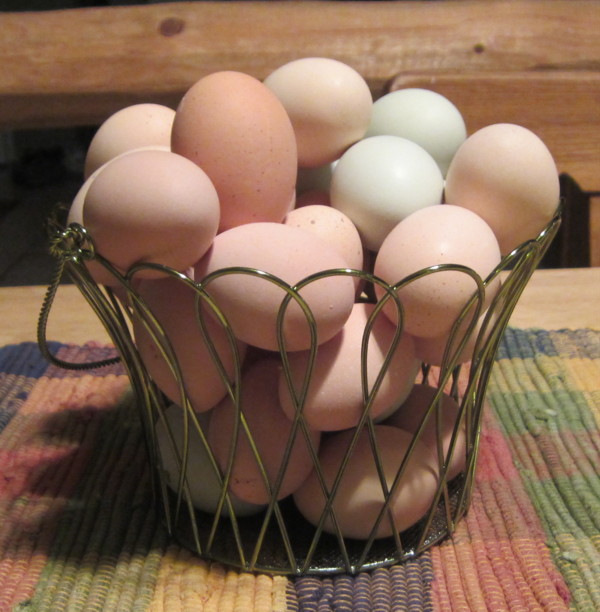
Your eggs should never be in a used egg carton. If you’re unsure if your supplier uses new cartons, transfer the eggs into a clean wire basket. It’s a good practice to transfer eggs to your own basket before they reach your kitchen.
Discard dirty or irregular eggs. Dirty eggs mean the nest box is dirty, and the eggs may have been exposed to bacteria.
Don’t wash eggs; eggs have what is called the *bloom that protects the egg from bacteria. Washing removes the bloom, allowing bacteria to easily enter the egg.
Ask to see the area where the hens that supply your eggs are kept. It should be dry and not foul-smelling. The hens should look happy and healthy.
Never crack open the egg on the same pan you’re cooking in.
Wash your hands anytime you handle eggs, especially when cooking.
Those at Highest Risk of Severe Illness from Salmonella
Young children, especially under 5 years old.
Adults 65 and over, or someone with a compromised or weakened immune system.
What You Need to Know as a Backyard Chicken Keeper
Eggs from a backyard chicken keeper should be collected daily. Cracked, dirty, or eggs that aren’t in the nest box should be discarded. Fresh eggs are better left unwashed as not to disturb the bloom, which protects the eggs from bacteria.
It is good practice to clean nest boxes weekly and have at least one nest box for every three hens.
Don’t re-use egg cartons; or sell eggs in used cartons. Use a wire basket when collecting eggs. Ask your customers to bring their own basket or container.
Transfer eggs to a clean wire basket or new carton before storing them in your refrigerator.
Wash hands immediately after handling eggs.
There should be a clean space between your living quarters and the coop. Shoes, gloves, or anything you wear to work in the coop should be left in a designated area away from your living quarters. Rakes, shovels, and all cleaning supplies that are used in the coop should STAY IN THE COOP or a designated area nearby.
If your birds are free-roaming, they should have an area completely separate from the family home. This includes a no chicken zone where children or pets are likely to play.
Don’t let children younger than 5 years touch chicks, or other backyard poultry. Young children are more likely to get sick from Salmonella.
Note: What is the Bloom? The “bloom” of an egg in an invisible coating that the hen’s body will “lay” on top of the shell of the egg. The bloom is also known as the cuticle of the eggs. It protects the egg from bacteria entering the egg.

Back to Chicken Keeping Resources HOME PAGE

Radiant Heat Chick Brooders

A Few Choices…

Brinsea

This is the brooder I’m using, been working great for years.
Brooder for warming up to 35 newly hatched chicks. Safe 12 volt radiant-heated underside for producing uniform temperature. Price: Around $90. Available in Amazon

Rural 365 Brooder

Perfect for 10 to 20 newly hatched chicks. Adjust leg height so chicks can stand and have direct contact with the bottom of the chick brooder plate.
Available on Amazon.

Back to HOME PAGE