Home

A Review, Humumu Chicken Nest Box

Do I Love It? Yes! 🙂

About the Humumu 3 Hole Nest Box

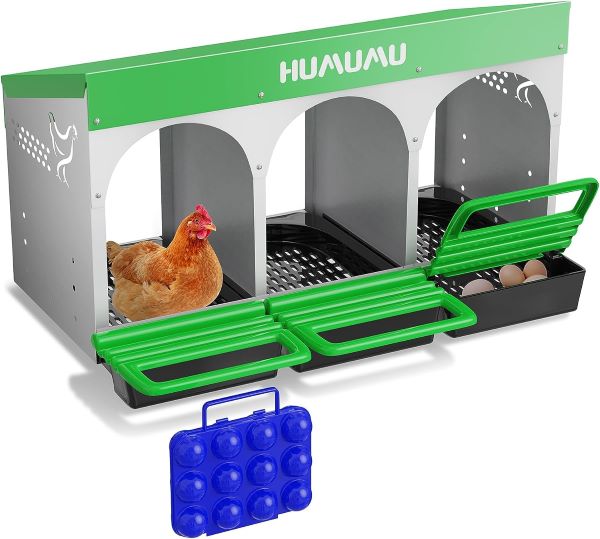
HUMUMU Chicken Nesting Box is designed specifically to provide clean, comfortable, safe, and covered laying space for hens, giving them a sense of security and increasing egg production. These durable, stable, and easy-to-assemble nesting boxes can be used long-term.
One of the biggest benefits of the HUMUMU Chicken Nesting Box is its slightly tilted design, allowing eggs to roll into the tray. This protects and cleans the eggs, making them easy to collect at any time. You can effortlessly obtain more high-quality eggs. We recommend placing some bedding under the egg box cover for additional egg protection.
These Nesting Boxes are different from any other nesting box on the market. They are made using high-quality materials for durability. Hot-dip galvanized stainless steel and highly durable ABS plastic ensure a long lifespan. Unique side-hole designs increase hen airflow and breathing ability.
The removable trays are easy to clean, and any other excess can be washed away with water by removing the trays.
Each package includes all the screws and nuts needed for assembly, as well as a bonus egg collection tray that can hold up to 12 eggs. Unit can be hung and dismantled easily with the key-shaped hanging hole and installed at a height of 18-22 inches above the ground.

Assembly Directions Were Unclear, So Here’s a Helpful Video…
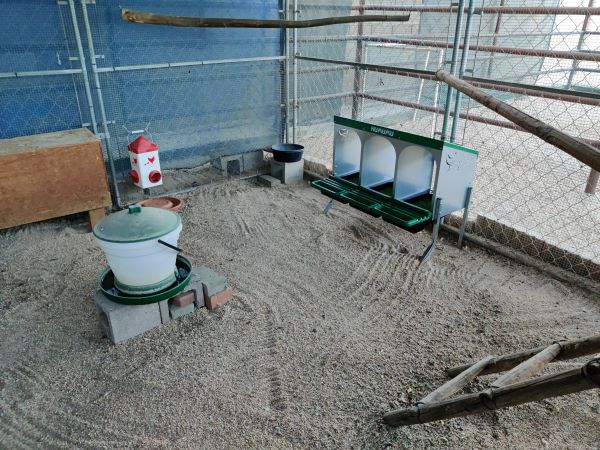
Humumu 3 Hole Nest Box Set Up My Coop
Back to HOME PAGE

Avoid Auto-Fill & Nipple Drinkers, Here’s Why

Which Drinkers Are Right For Where You Live?

In summer, the water lines are too hot, and chickens will avoid drinking from them. In winter, the lines can freeze, and water becomes unavailable. Nipple drinkers are also a poor choice, as your birds do not get enough water when hydration is crucial. Avoid any drinkers that are made of metal or have metal parts; not only do they heat up faster, but also retain heat longer.
There is no argument that auto-fill drinkers are convenient and provide an easier chore list, but do they? Maintenance is definitely an issue, as parts fail and need replacement more often than you might think. The best way to care for your chickens is to depend on yourself.
If you live in a territory where temperatures can reach triple digits, your birds need an ample source of cool water. There’s only one way to offer that necessity: large containers. The bigger, the better, because the water stays cooler in masses. Top-fill drinkers are best so you can easily replace the water with cool water or add ice on those really hot days. Run the hose long enough to get cold water, as a hose in the sun can hold very hot water, especially in triple-digit temperatures.
Here in Phoenix, Arizona, the temperature has been between 110 and 117 for over a month now. Our chickens’ water source consists of 2 six-gallon top-fill drinkers. We add a large pitcher of ice twice a day. Additionally, a large fan and mist systems cover a substantial area of the chicken yard.

On our farm we use this drinker, make sure you drill a few holes in the cover, otherwise, it forms a vacuum and restricts water flow. You’ll conveniently find this and many similar drinkers readily available on Amazon.

Undecided Which Drinker Is Best For Your Needs?

Back to Chicken Keeping Resources HOME PAGE

Chickens, Heat Distress Symptoms, Treatment, Prevention

Heat distress can lead to heat stroke, this is more common in poorly ventilated or coops that are either too small or over crowded. Here are some guidelines for both treatment and prevention of heat distress in chickens. Don’t bring your chickens indoors where it’s cooler, this will make it difficult for your birds to acclimate when returned to the coop. Move them to a shaded area and follow these steps listed below.

What Are The Signs of Heat Distress?


Panting: Chickens will often pant to try to cool themselves down when they are overheated. This is a common and visible sign of heat stress.
Wings drooping: When chickens are too hot, they may spread their wings away from their bodies in an attempt to release heat.
Lethargy: Heat-stressed chickens may appear lethargic and less active than usual. They may sit or lie down more frequently.
Pale comb and wattles: The comb and wattles of a chicken may appear pale or discolored during heat stress.
Diarrhea: Heat-stressed chickens may have loose or watery droppings.

Treating Heat Distress

Provide access to cool water: Offer the affected chicken cool, (not cold) water to drink. You can add electrolytes to the water to help with rehydration. This is available at any feed store.
Spray or soak the chicken with water: Lightly spraying or gently soaking the chicken with cool/warm water can help lower its body temperature. Do not submerge the bird in cold water, this can lead to shock.
Use fans or air circulation: If possible, set up fans or improve ventilation in the coop to reduce the temperature.
Use Shade Cloth: Never use tarps where birds are housed, they inhibit ventilation.

How to Avoid Heat Distress

Avoid overcrowding: Overcrowding can lead to increased body heat generation. Provide enough space for chickens to move around comfortably.
Limit outdoor activities during peak heat: If possible, restrict the chickens’ outdoor activities during the hottest parts of the day and allow them to roam when the temperatures are cooler.
Mist or sprinkle water in the area: Setting up a misting system or lightly sprinkling water in the chicken’s environment can help cool the air and reduce heat stress.
Monitor weather conditions: Stay aware of weather forecasts and plan ahead for extreme heat by implementing extra measures to protect the chickens.
Time feeding schedules: Consider feeding chickens during the cooler parts of the day to avoid additional heat generated during digestion.

Prevention is key to avoiding heat stroke in chickens. Being proactive and attentive to their needs during hot weather can significantly reduce the risk of heat-related health issues.

More Information

Back to HOME PAGE