Home

Chicken Coops: Hardware Cloth or Chicken Wire?

Building a coop can be fun using scrap materials, brainstorming ways to be creative, and saving money. But all too often where you scrimped ends up costing you more later. One decision you might make, for example, is to choose chicken wire for your flock’s enclosure. It’s cheap and easy to handle, but in the long run, you’ll find it wasn’t worth saving those pennies.
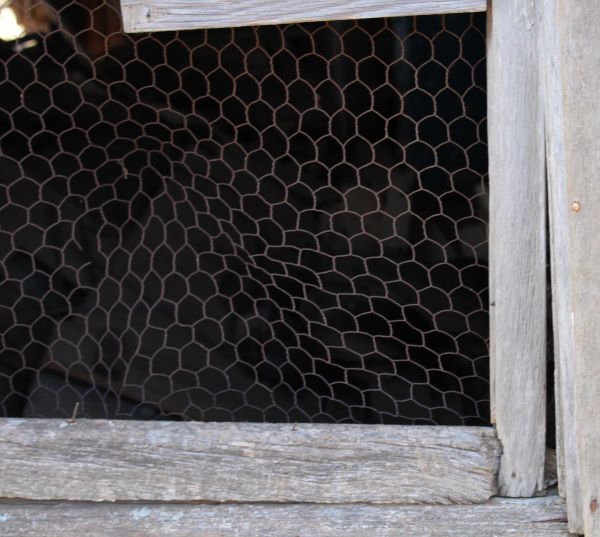
Chicken Wire

First of all, chicken wire is NOT predator-proof. Countless animals can chew right through the stuff. Secondly, if you’re penny-wise, you certainly aren’t going to fancy wasting expensive chicken feed.
Wild birds are the biggest culprit in feed waste. One little sparrow might not eat much, but that tiny sparrow will soon bring hundreds of friends who will devour 3 pounds or more in just one afternoon. These little guys can fit through the holes in chicken wire, not only costing you money, but they’ll poop everywhere. I think we can both agree, we don’t need any more cleaning added to the chore list.
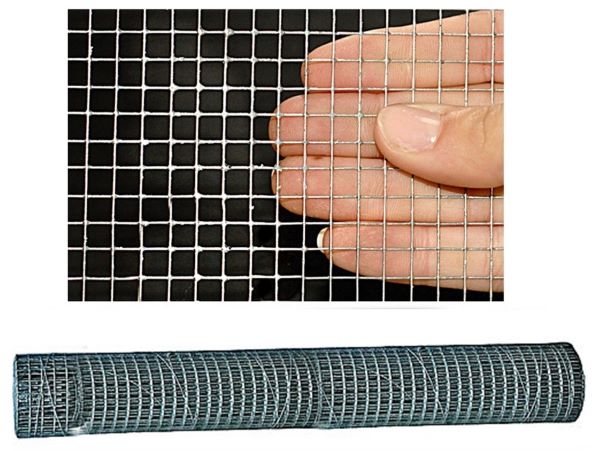
I’ve said this before, but it’s just plain smarter to build everything right the first time. Use hardware cloth on chicken coops, and enclosures.  It’s stronger, and an extra perk is its tidy appearance.  The ends can be finished nicely, it doesn’t bend making your coop look like a train wreck as time goes by.
You’ll find hardware cloth at Home Depot or similar building supply stores. Check your local feed stores too, sometimes they’ll sell by the foot so you don’t have to buy more than you need.
Back to HOME PAGE


Chickens and Heat Distress, What to Do

When Should you Supplement your Flock with Electrolytes?

In the heat of summer, there are warning signs when chickens are suffering from heat distress. Once you recognize these signs, consider them as a reason to add electrolytes. Electrolytes are available in feed stores that carry retail poultry products, even Amazon will have it. You’ll find easy-to-follow instructions on the back label informing you how much to put in their drinking water. 
Warning Signs Heat Distress
Panting, holding their wings away from their body.
Combs and wattles a deep red, or pale.
Restlessness.

Signs of Heat Stress | What to Do
Much more dangerous is Heat Stress. Below are the signs your chickens are in great danger and could even die if you don’t act quickly.
Not eating or drinking.
Pacing.
Disoriented.
Wobbling.
Lethargic.
Dark reddish-purple wattles and combs.
Submerse chicken in warm water (a 5 gal. bucket from Home Depot works nicely) and move the bird to a shady spot. Don’t bring the bird indoors, it will only cause more stress when returned outside. A fan nearby would be ideal. Don’t try to force water, when the bird cools down it will drink on its own. Chicken feed is not important at this point,  don’t push it, offer watermelon instead.

More Information…

Back to Chicken Keeping Resources HOME PAGE

A Little Family Time

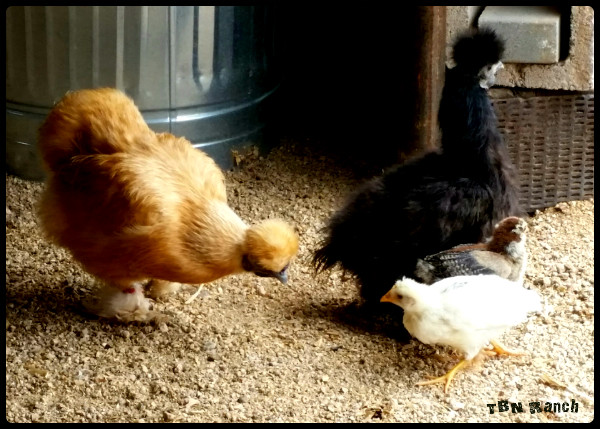
Dot and Willow couldn’t be happier to be out and about with the flock. This is Mamma (Black Silkie) and Randi (Buff Silkie hen) tending to the kids while out for breakfast. The chicks are three weeks old today.
Interestingly, Randi is at the top of the pecking order and although bossy and sometimes nasty, she is very kind to the youngsters.

Silkies with chicks 51816
Back to Chicken Keeping Resources HOME PAGE

Save