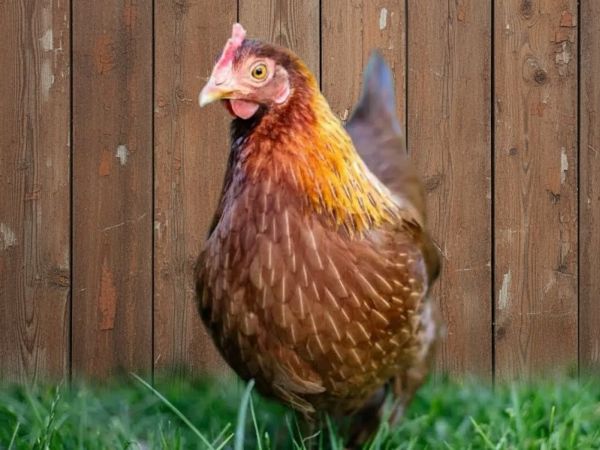
The Welsummer rooster is rustic-red and orange in color and the hen is a light and dark brown partridge pattern with gold around the neck area. This dual-purpose large fowl lays large terracotta dark brown eggs, often with speckles. Expect about 160 eggs per year. Features & Color Variations Single comb, medium wattles, broad chest and back, wide full tail, and 4 toes. There are three variations of the standard Welsummer, Partridge, Silver Duckwing, and the Gold Duckwing. Recognized Varieties: Red Partridge Behavior Welsummers are friendly and intelligent, but not considered especially docile. They generally confine well but prefer to forage. Setter/broody: yes. Bantams The Welsummer Bantam lays light brown eggs, and their production is slightly higher than the standard at about 180 eggs per year. Bantams exist in both Partridge and Silver Duckwing colors but are rare. Origin: Netherlands Class: Continental Type: Large Fowl Size: Medium (6-7 lbs) Rarity: Common Purpose: Dual
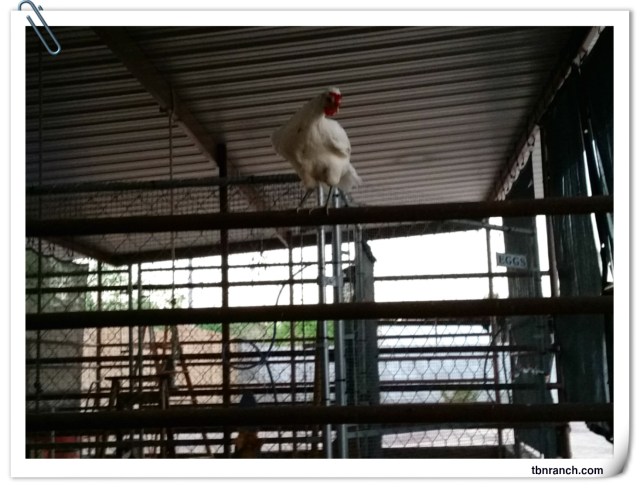
Chickens have a strong homing instinct which drives them to return to the same place to roost at dusk. Those who for whatever reason have decided otherwise can easily be picked up when it’s dark and placed in the coop. After a few days to a week at most, they usually give up the tree limb, fence, or corner they fancied and join the others in the coop without your interference. Make sure it’s dark though! Because as soon as you turn your back they’ll run back to where you took them from. It’s very common for youngsters to choose a corner on the ground away from the coop. Just pick them up and place them where you want them to be and they’ll catch on after a while. However, don’t be concerned if your young birds pile up together in the coop, just be glad they’re in there! As they mature they’ll find their way to the roost, usually at around five months old. This four-month-old Leghorn chose this spot to roost for the night. After a few evenings of fetching her off the fence and putting her in the coop, she gave up and now joins the others on her own.
Do all Chickens Roost? No, don’t ask me why… some, such as Silkies for example, are known to hunker down for the night in the coop, off the roost. I have four one-year-old hens that refuse to roost, it doesn’t matter, as long as they are safely confined at night I just let them choose their comfort zone.
Night Behavior A chicken’s behavior is dramatically different at night. During the day they are full of life, feisty, and confident, but when the night comes they turn into total milk duds, almost as if they were in a hypnotic state. Take advantage of this time, this is your hassle-free ticket to handle, inspect, and doctor chickens. Especially the ones that are difficult or impossible to catch during the day. Chickens are so docile at night that you can usually sneak a new bird in the coop after dark, it will most likely go unnoticed until morning. Some chicken keepers choose to introduce birds this way. But I must warn you, a chicken’s night stupor disappears the moment they march out of the coop at the crack of dawn. Be prepared to witness a whole new ball game of unkind introductions, to say the least! Learn more about Introducing Chickens to an Existing Flock.
What Broody Means, and What to do When it’s a Problem
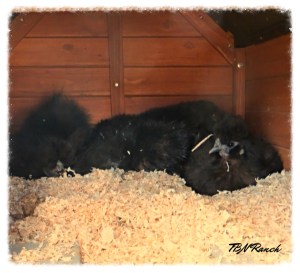
Definition of Broody: A hen with strong instincts to hatch eggs, whether or not they are fertile, or even present in the nest. Signs:Your hen won’t leave the nest, appears to not be eating, her feathers are all fluffed up, and she looks a bit flattened out. These are classic signs of the broody hen. First of all she isn’t starving, she is eating and drinking, but it’s low on her list of priorities. She may only eat just enough to survive. The fact that she isn’t sitting on eggs won’t make a difference to her, so don’t assume she’ll just give up in a day or two, she won’t. This behavior could last weeks, and during that time period she will not lay eggs.
Broody Hen
Her behavior can be disrupting as well, she may not allow the other members of the flock near her nest, not only is that opening the door for drama, but the laying cycle of the entire flock can be disturbed. Make sure you have enough nest boxes for your flock. What to Do You can sometimes discourage the broody hen by moving her nest box, covering it, or to the less dedicated lady, simply take her from the nest a few times the first day. However, there are some with very strong instincts and you may actually have to change her environment completely by moving her to another place. This might take her mind off sitting on eggs and back to laying them. Another trick that I use here at the ranch is getting air underneath the hen. The best way to do this might require a few changes to your nest area, but it’s well worth the effort. I don’t like keeping my birds on a wire grate in the nesting place, but I do have have a place with that option for the simple solution of breaking the behavior of the broody hen. I have a piece of plywood covering the wire grate in their nest area, over that is a gracious amount of grass hay. When the occasional broody hen occupies the nest, I simply remove the plywood, by exposing the wire grate, the hen has air flow under her – which to her, is completely unacceptable. Note:It’s important to act quickly when addressing the broody hen, the longer you allow it to continue, the longer you will have to wait before she starts laying eggs again.



 TBN Ranch Chicken Keeping Resources