The Rhode Island Red is a dual-purpose bird, meaning it is valued both for its meat and its eggs. They are generally known for their calm and friendly temperament and excellent egg-laying abilities. Appearance: Rhode Island Reds have dark red plumage, with black tails and wings. They have yellow beaks and legs, and red or orange eyes. They have a muscular build, and are medium-sized chickens, with cocks weighing around 8.5 pounds and hens around 6.5 pounds. Temperament: Rhode Island Reds are generally friendly, docile, and easy to manage. Egg Production: 200-300 large brown eggs per year.
The Australorp is a great choice if you’re looking for an excellent layer of large brown eggs. Expect approximately five eggs per week from this *dual-purpose bird. Their color is black, their weight at maturity is 7-8 pounds, and they are docile, friendly, and considered shy. About the Australorp Single Comb 4 Toes Broody/Setter Confines Well Average, 260 Eggs Yearly Cold Hardy Class: English • Rarity: Common The Australorp is of Australian origin, developed as a utility breed with a focus on egg laying. It achieved worldwide popularity in the 1920s after the breed broke numerous world records for the number of eggs laid. The most popular color is black, which is the only color recognized in the United States. However, blue and white are also recognized in its home country. South Africa recognizes buff, splash, wheaten laced, and golden as well. The Australorp is a great starter bird if you’re new to chicken keeping. The chicks are hardy and very easy to raise. * Dual Purpose: provides 2 kinds of resources, meat & eggs.
FOX: Clever as a fox is a saying we’ve all heard, and it couldn’t be more true. They climb better than you could ever imagine and can dig their way into a coop with ease. Fox are smart and patient, they will watch your coop for weeks before they attack. Every bird the fox can grab in the coop will be killed, and often the entire flock will be completely wiped out. They’ll take as many birds from the coop as they can with them. Signs a Fox Leaves Behind After an Attack Many birds missing Feathers sprawled in the coop AND away from the coop Broken necks
COYOTE
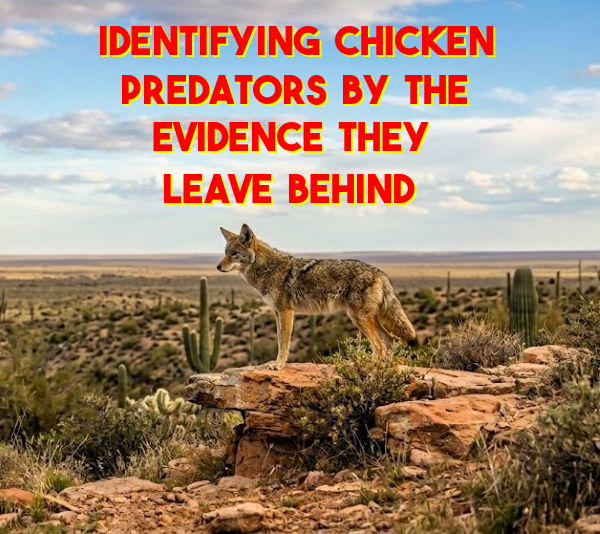
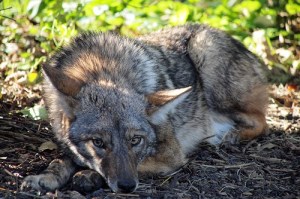
Coyotes will either tunnel or muscle their way into a coop. They’re smart, staking out the premises first to learn when the ideal time is to attack. A coyote is most likely to be seen at dawn and dusk, however, broad daylight attacks are not unheard of. Keep in mind coyotes are very active at night, and they can easily scale a 6-foot fence. When a coyote gains access to a chicken coop they’re known to kill all the birds, then take a couple with them. Signs a Coyote Leaves Behind After an Attack Birds missing. Necks broken. Feathers scattered everywhere in the coop.
RACOON
Racoon: These clever egg-stealing masked burglars leave significant evidence of their presence. A raccoon rips open the crop and sometimes the breast to feast. You’ll find all the chickens still in the coop as a rule because coons have difficulty carrying them off. One of the raccoon’s most distinctive features is their extremely dexterous front paws, in other words, they’re extremely talented at opening door latches! Signs a Raccoon Leaves Behind After an Attack Rips open the crop and sometimes the breast. Dead chickens will most likely be left in the coop.
OPOSSUM
Opossum: This little critter is after your chicks and eggs. That’s his primary agenda, but it may go after a small adult chicken at times. The opossum gains access usually through a small opening in the coop Signs an Opossum Leaves Behind After an Attack Doesn’t take birds from the coop. Tears open the abdomen. Interesting Fact: The opossum is a Marsupial. The adult females have a marsupium, or pouch where they keep their young while they grow up. Cool
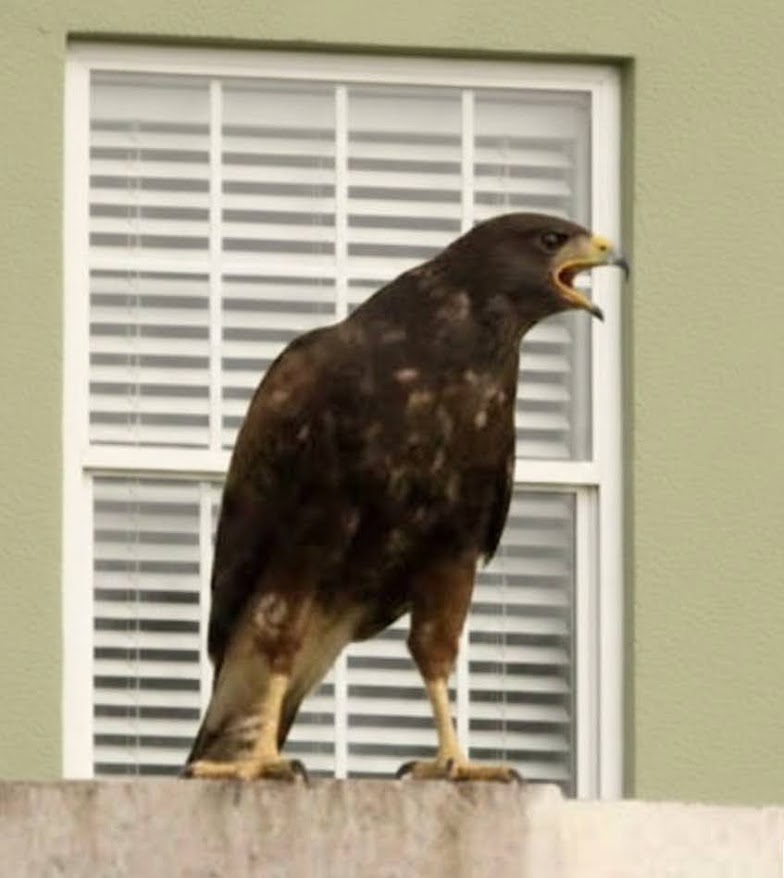
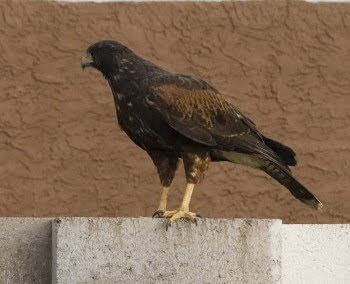
Harris HawkHarris Hawk
Hawks: These predators usually attack when chickens are free roaming during the day. Hawks, like the fox and coyote, are well prepared for their attack by staking out the premises beforehand. There’s no mistaking the evidence of a chicken attacked by a hawk, the signs are quite different from all other predators. Sharp talons and beaks are extremely effective in killing or injuring multiple birds. Signs the Hawk Leaves Behind After an Attack Some birds will be missing. Some injured birds will appear to be cut up. Injuries look as though chickens were stabbed with a knife.
OWL
Owls attack similarly to the hawk. They also stake out the potential of a meal by watching the chickens for a spell before they attack. Hawk or Owl? It’s not entirely impossible to tell the difference between a hawk and an owl attack. Raptors usually poop when they kill, fortunately, the poop of an owl and hawk are slightly different. You’ll find their poop near the feathers of the victim. Owl: White streak with clumps Hawk: Just a white streak Signs an Owl Leaves Behind After an Attack Neck and head ate. Deep knife-looking cuts on the abdomen.