What The Labels Mean & Which One is Right for Your Birds
There are many brands to choose from, these randomly picked brands will give you an idea of what each feed type is for. I have fed all these brands and have been happy with them.
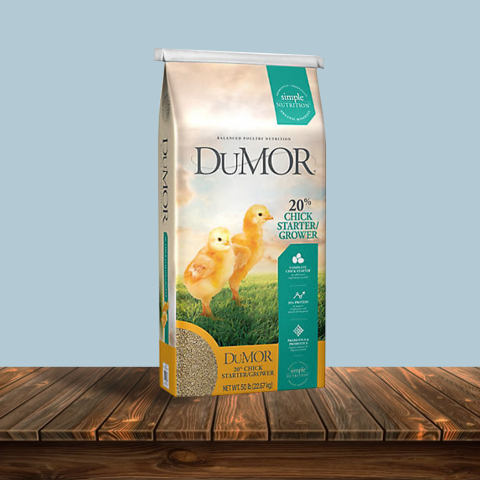
Starter / Grower Feed
Specifically formulated for baby chicks. You will feed this all the way until the first egg.
Layer Pellets (I feed my hens this brand)
Layer Feed: This feed is for adult laying hens that are producing eggs. It usually contains higher levels of calcium and other nutrients to support egg production and shell formation. Also available in crumbles, either is suitable for your birds.
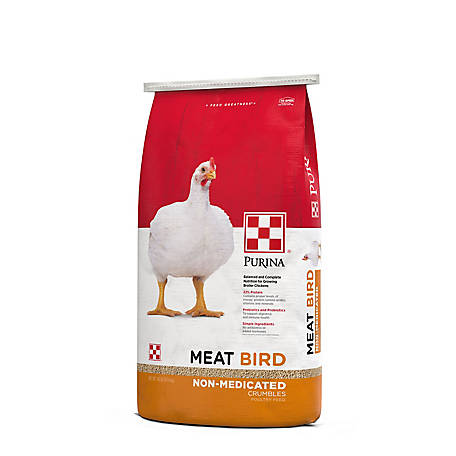
Broiler/ Meat Bird
This feed is formulated specifically for meat chickens, also known as broilers. It has higher levels of protein and energy to promote rapid weight gain and muscle development. I mix this higher protein feed in my Silkies’ feed as they tend to need a bit more protein than other breeds.
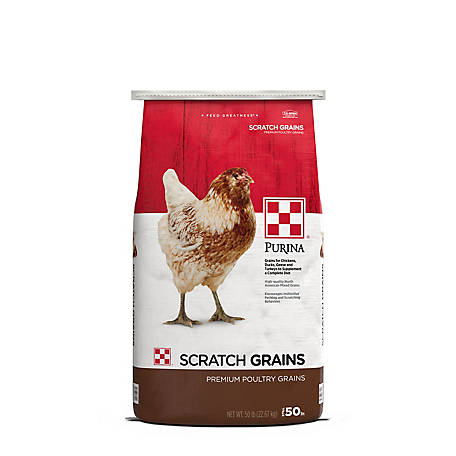
Scratch Grains
Scratch grains are a mixture of grains such as corn, wheat, and barley, and are typically fed as a treat or supplement rather than as a complete feed. Scratch should not be the sole source of nutrition.
Organic Feed (Expensive)
Organic chicken feed is made from ingredients that are grown without the use of synthetic fertilizers, pesticides, antibiotics, or genetically modified organisms (GMOs).
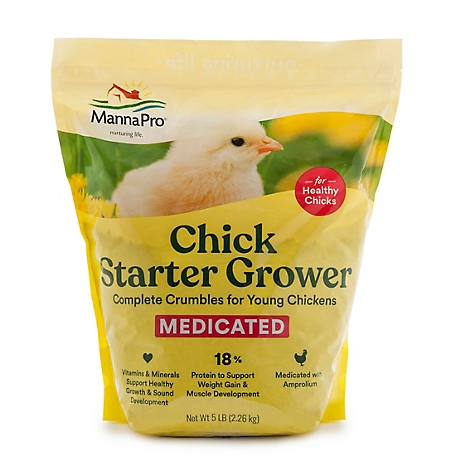
Medicated Chick Starter
Medicated chicken feed that contains added antibiotics. I use medicated feed for mail-order chicks for the first week after they arrive.
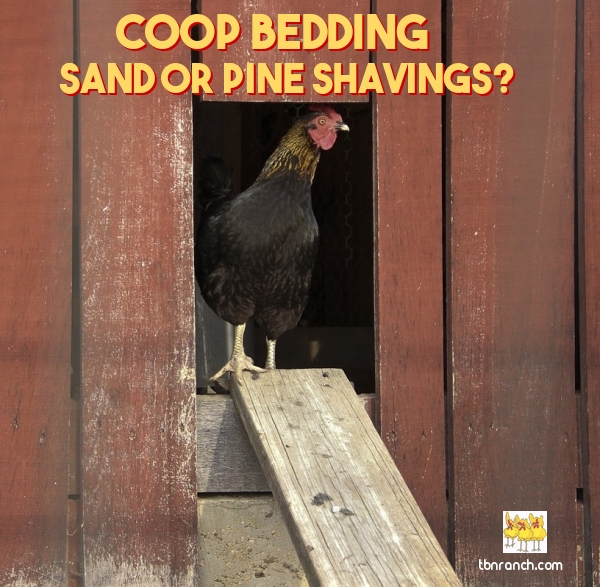
Natural Sand May Be a Better Choice for Your Coop, Here’s Why
Drainage: Sand allows for excellent drainage, which helps to keep the chicken coop dry and prevents the buildup of moisture. This is important for maintaining a healthy living environment for chickens and preventing issues like fungal growth or ammonia buildup, which can lead to respiratory issues for the birds. Cleanliness: Sand is easy to clean and maintain. Chicken droppings and other debris can be easily scooped out using a long-handle litter box scoop, available on Amazon. It would only take a few minutes to scoop up poop every day, this will keep the coop much cleaner. No more raking out a ton of smelly shavings every week, and replacing it with clean expensive pine shavings. Comfort: Sand provides a soft and comfortable surface for chickens to walk, stand, and rest on. It is gentle on their feet and joints, which is important for their overall health and well-being. Chickens are also known to dust bathe, and sand provides a suitable medium for them to engage in this natural behavior. Pest control: Sand can help control pests in the chicken coop. Sand does not provide a suitable environment for many common pests like mites, lice, or fleas to thrive, as it is not conducive to their life cycle. Additionally, sand can be easily raked or turned over, disrupting pest habitats and helping to keep them under control. Cost-effective: Sand is often an inexpensive option for bedding in chicken coops, especially when compared to other materials like wood shavings or straw. Sand can be sourced locally in many areas, making it a cost-effective choice for chicken keepers on a budget. Longevity: Sand is a durable material that can last for a long time with minimal maintenance. Unlike other bedding materials that may break down or decompose over time, sand can remain relatively stable and functional for an extended period, reducing the need for frequent replacement. Natural look: Sand can provide a natural, aesthetically pleasing look to the chicken coop. It can mimic the natural environment of chickens, allowing them to engage in their natural behaviors and feel more comfortable in their surroundings.
Not All Sand is Created Equal Where to Buy
Sand for your coop and/or run should be natural, consist of variable particle sizes, and shouldn’t be manufactured by crushing quartz. Sand can be purchased in bulk at local quarries, or anywhere that sells rock for landscaping, construction sites, etc. Delivery will most likely be available, but there will be an extra charge for the service. The sand will be dumped on your property, and it will be your job to move it into your coop and/or run. NOTE: Keep in mind that sand is not suitable for all climates or situations. In areas with heavy rainfall or high humidity, sand may become excessively damp and muddy, which can lead to issues such as increased ammonia buildup or difficulties with drainage. Sand is best used inside a coop, or a covered area. It’s essential to consider the specific needs of your flock, climate, and management practices when choosing bedding material for your chicken coop. Pine Shavings are Still Useful Pine shavings are best used in nest boxes, chickens seem to prefer nesting on fluffy pine shavings, not hay, or straw which can be an irritant to the vent area.
Cause: Perosis is a nutritional deficiency of choline, manganese, and/or B vitamins (such as niacin, biotin, and folic acid). Thankfully, nutritional deficiencies can be avoided by making sure your flock has free-choice access to complete, nutritionally-balanced feed. Chicken scratch or kitchen scraps alone are not considered a balanced diet.
Perosis disease, also known as slipped tendon or chondrodystrophy, is a condition that affects the skeletal development of chickens, specifically their legs. It is a metabolic disorder caused by a deficiency in manganese, which is an essential trace mineral required for normal bone and cartilage development. In chickens, Perosis disease typically affects young, rapidly growing birds between the ages of 2 to 8 weeks, which are in the critical stage of skeletal development. It is commonly seen in broiler chickens, which are raised for meat production, but can also occur in other types of chickens such as layers or breeders. The main symptom of Perosis disease is the deformation and weakening of the leg joints, especially the hock joint (the equivalent of the ankle joint in humans). The tendons that hold the joint in place become stretched or slip out of their normal position, causing the affected bird to have difficulty standing or walking. The legs may appear twisted or bent, and the affected chickens often have an abnormal gait or may be unable to walk at all. Perosis disease is believed to be caused by a combination of genetic and environmental factors. Diets deficient in manganese, or imbalanced ratios of other nutrients such as calcium, phosphorus, and vitamin D, can contribute to the development of Perosis disease. Prevention and treatment of Perosis disease involve addressing the underlying nutritional deficiencies. This may include providing a balanced diet that meets the specific nutrient requirements of chickens, including adequate levels of manganese, calcium, phosphorus, and vitamin D. Nutritional supplements or additives may be added to the feed to correct any deficiencies. If Perosis disease is diagnosed in a chicken, early intervention is crucial. Treatment may involve providing supportive care, such as splinting or bracing the affected legs, to help the bird maintain mobility. In severe cases, affected chickens may need to be euthanized to prevent unnecessary suffering. Good nutrition, proper management practices, and early intervention can help reduce the incidence and severity of Perosis disease in poultry flocks.






 TBN Ranch Chicken Keeping Resources