Molting is a natural process that chickens go through annually so they can replenish and replace their feathers. Chickens need to grow new feathers to allow them to effectively regulate their body temperature especially those in colder environments. Chickens will molt several times during their lives. The first molt is called a “juvenile” molt and occurs when they are only 6 – 8 days old… Continue Reading
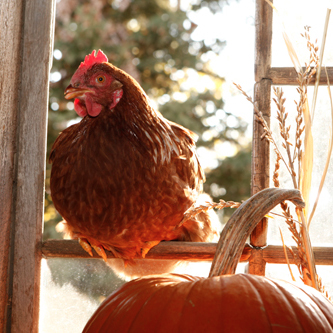
The Signs of a Broody Hen Your hen won’t leave the nest, appears to not be eating, her feathers are all fluffed up. These are classic signs of the broody hen. First of all, she isn’t starving, she is eating and drinking, but it’s low on her list of priorities… Read Article What is a Broody Hen and How to Deal With ItMcMurray Hatchery Blog Chicken Breeds with Broody Tendencies If you are only interested in egg production then you may not want to purchase chicks that have broody tendencies. Broody hens can be troublesome, so if you’re not looking for a mother hen, here are the breeds you may want to avoid… Read Article
A Charming Distinctive Breed with Lots of Character
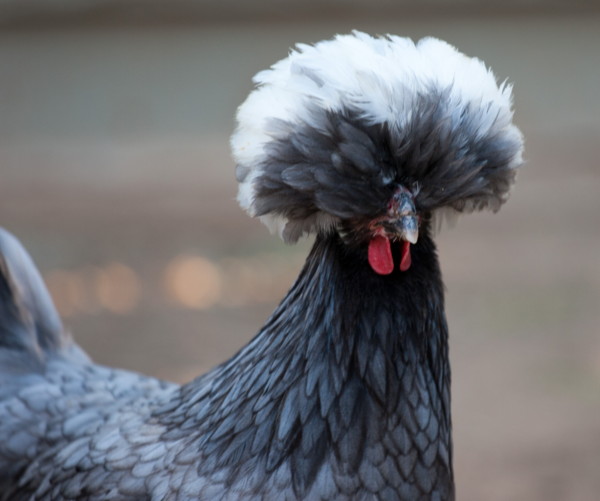
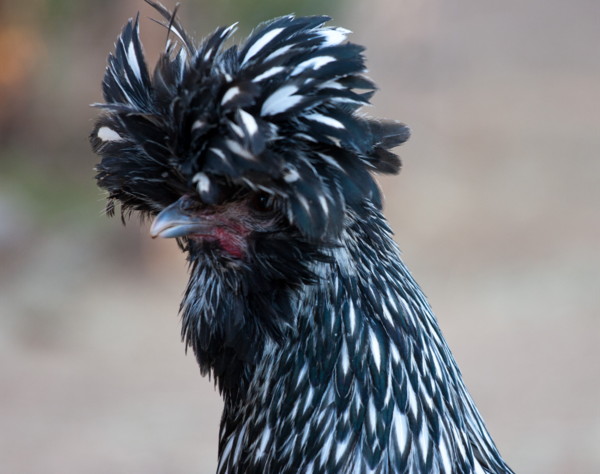
The Polish chicken, often called Polish Crested or Top Hat, is a breed prized for its distinctive topknot of feathers on its head, which can be of various colors. They are small in size, making them a popular choice for backyard chicken keepers, and known for their docile and friendly nature. They are good layers of medium white eggs and are also often kept for ornamental purposes due to their distinctive appearance.
The average number of eggs laid by Polish hens annually can vary based on several factors, such as the hen’s age, nutrition, and health. But on average, Polish hens lay approximately 200 eggs per year. Full-grown roosters weigh between 4 and 6 pounds, and hens typically weigh between 4 and 5 pounds. The Polish chicken is a friendly, docile breed and a good choice for your backyard flock. Classification: Continental Colors and Types Recognized: Non-bearded white-crested black Non-bearded golden Non-bearded white Non-bearded silver Bearded golden Bearded white Bearded silver Bearded buff laced Non-bearded buff laced Non-bearded white crested blueSave




 TBN Ranch Chicken Keeping Resources