If you use sand in your coop, here’s the best sifter on the market!
The Sand Dipper (Mid-AdjustableModel) has a long handle that can be adjusted from 34″ to 64″, making it easy to clean the coop. It’s lightweight, has a comfortable cork-rubber handle, and a stainless steel basket. The holes in the basket are the perfect size to let sand, including quarter-minus gravel fall through. I have a couple of tiny Mille Fleur chickens among the flock, and this sifter works great for cleaning up their small droppings too. I couldn’t be happier with this purchase. 🙂 You’ll find the Sand Dipper on Amazon.
Understanding why the airborne components in your coop can cause respiratory disease and how to protect yourself.
Poultry dust is the airborne particulate matter that is frequently present in elevated concentrations inside your chicken coop. Occasionally, (usually) reaching a density sufficient enough that it’s visible to the naked eye. Certainly you have seen this in a ray of light while cleaning. Poultry dust refers to tiny particles that float in the air and are often found in high amounts inside the coop. This dust is considered “biologically active” because it contains microorganisms, and this is a good reason indeed for wearing a mask in your chicken coop. Poultry dust poses an elevated risk of respiratory diseases, as its fine particles can transport pathogens deep into the lungs. Inside the chicken coop, airborne components such as softwood dust, fungal spores, and harmful bacteria are continually stirred up by the scratching behavior of your chickens, and when you’re cleaning the coop. This “dust” contains various harmful components such as manure, feed, feathers, dander, and other residues from poultry. It also includes litter, biological contaminants, endotoxins from bacteria, and inorganic particles from building materials like concrete dust or insulation fibers. If you use substances like diatomaceous earth and chemical powders or sprays used for mite and lice control, lime, and other floor applications they also contribute to the composition of the dust. Dust particles also can carry viral particles, mites, molds, and more. Smaller particles are particularly dangerous as they take longer to settle, remaining in the air for an extended time and increasing the risk of inhalation. You can help protect yourself by using a disposable dust mask such as the N95. But, use what you can afford, certainly any mask is better than nothing at all.
The answer is quite simple, the real question here is are you going to enjoy spending time with your chickens? If the answer is yes, then the time you spend will mostly be fussing over your birds. In other words, fussing over your chickens means you’ll not only be cleaning up after them, but find enjoyment in creating attractive and functional housing.
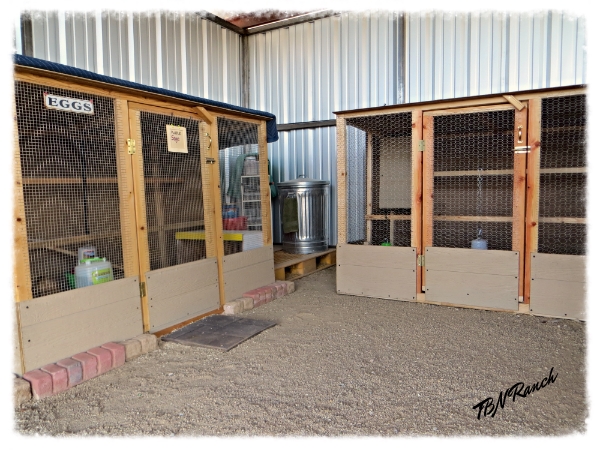
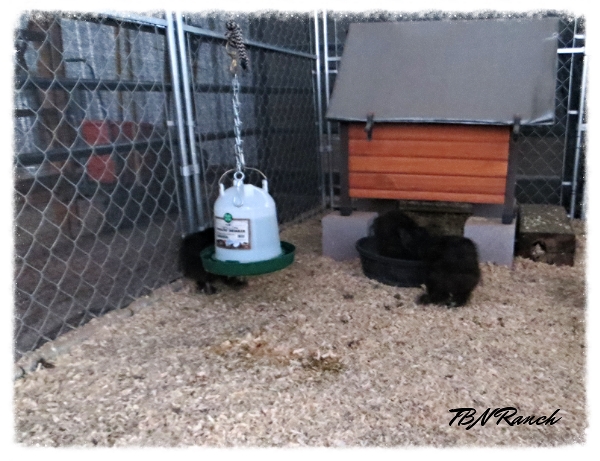
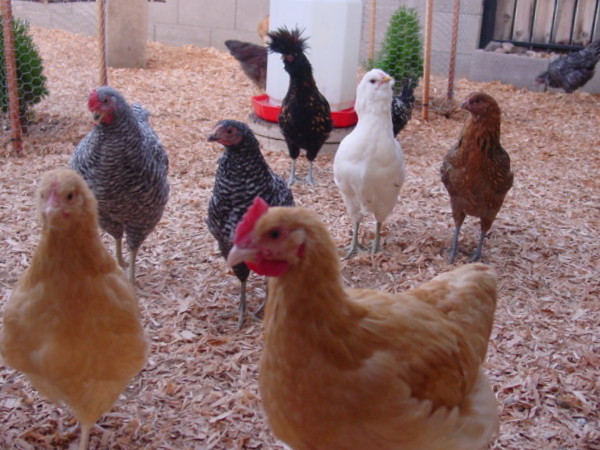
All animals require effort to keep clean, and if you neglect to do so, it’s a sure bet they’re going to smell. If you look at keeping chickens realistically, what else are you going to do with them besides pick eggs and care for their living environment? We don’t sit and pet them as a rule, and training them to do tricks is certainly not going to be a success story… instead, we fuss over their coops. The bottom line, is if you spend time with your birds, then no, chickens don’t smell. Fussing over your birds makes for a happy flock, and a happy flock is what fills the egg basket! Here are a few pics of my chicken set-ups… lots of fussing over chickens at TBN Ranch…
 The Sand Dipper (Mid-Adjustable Model) has a long handle that can be adjusted from 34″ to 64″, making it easy to clean the coop. It’s lightweight, has a comfortable cork-rubber handle, and a stainless steel basket. The holes in the basket are the perfect size to let sand, including quarter-minus gravel fall through.






 TBN Ranch Chicken Keeping Resources