Everything You’ll Need To Raise Chickens

The Basics of What You’ll Need to Get Started


Your start-up cost for raising chicks & chickens can be costly, but you can plan ahead and buy a little at a time. There is plenty of time to have chickens, it can be next season or even the one after! Expect to pay somewhere around $1,000+ for a modest set-up… or better yet, take your time and build the coop of your dream.
Chicken Coop
A sturdy, weatherproof coop is essential for providing your chickens with shelter and protection from predators. Make sure it’s large enough to comfortably house your desired number of chickens, with nesting boxes for laying eggs, perches for roosting, and proper ventilation. How Much Space Do Chickens Need?
Chicken Run
A secure outdoor space where your chickens can exercise and forage. It should be fenced & covered to prevent them from escaping and protected from predators. It should be tall enough for you to easily access it for cleaning.
Bedding
Chickens need clean and dry bedding to keep them comfortable and to help manage waste. Pine shavings are a good choice and are readily available at feed stores. Use a good amount on the floor of the coop and in the nest boxes. However, sand in my opinion will make your cleaning chores a breeze!
Chicken Feed
A balanced and nutritious diet is important for healthy chickens. You’ll need to provide them with good quality chicken feed that’s appropriate for their age and stage of production. Organic feed is available if that is your choice, although it is substantially higher in price.
Waterer
Chickens need access to clean, fresh water at all times. Use a waterer designed specifically for chickens. If you start with chicks, you’ll need a special smaller waterer for them.
Feeder
A feeder designed for chickens or chicks will help keep their food clean and prevent waste. There are various types available.
Nesting Boxes
Hens need nesting boxes where they can lay their eggs. These should be clean, dry, and comfortable, with some privacy for the hens. You’ll need one nest box for every two hens.
First Aid Kit
It’s always good to have a basic first aid kit for any potential chicken health issues. It should include items like poultry vitamins, electrolytes, wound care supplies, and poultry-safe insecticides.
Chicken Wire or Hardware Cloth
To keep your chickens safe from predators, you’ll need to cover any openings in your coop or run with chicken wire or hardware cloth. Make sure it’s sturdy and predator-proof.
Cleaning Supplies
Keeping your coop clean and sanitary is important for the health and well-being of your chickens. You’ll need tools like a rake, shovel, broom, and a putty knife for regular cleaning.
Perches
Chickens need perches to roost at night. Provide them with sturdy, rounded, or flat perches that are at least 2-3 feet off the ground.
Dust Bath
Chickens love to dust bathe, which helps them clean their feathers and control parasites. You can provide them with a designated area filled with sand. Avoid using food-grade diatomaceous earth anywhere in your coop, this can cause serious health and respiratory issues in chickens.
Egg Collection Basket
If you’re keeping hens for eggs, you’ll need a place to collect and store the eggs. An egg collection basket or egg cartons are good options.
A Brooder for Baby Chicks
A brooder is an enclosure or container designed to provide a warm and safe environment for newly hatched chicks to grow and develop until they are fully feathered.
Heat Source
If you’re raising chicks, they’ll need a heat source to keep warm. This can be a heat lamp or preferably, a radiant heat brooder plate.
Thermometer for the Brooder
A thermometer allows you to monitor the temperature and make adjustments as needed to ensure that the chicks are comfortable and healthy.
Grit
Whether or not chicks need grit to help digest their food is controversial. Today, it is said that if feeding commercial feed, grit isn’t necessary. I’ll leave this option for you to decide.

Back to HOME PAGE

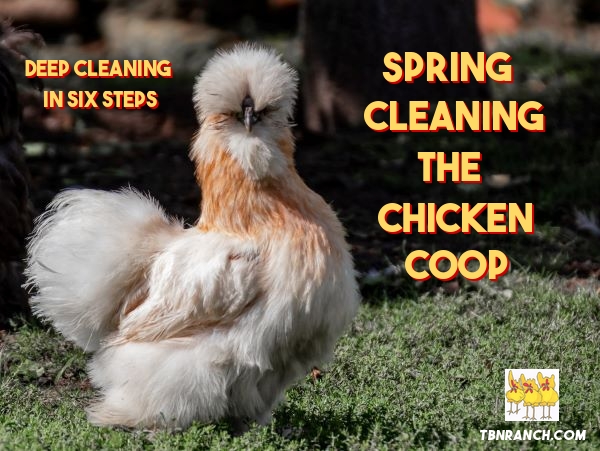
Spring Cleaning the Chicken Coop Here’s How in Six Steps

That Once a Year Deep Clean Time Has Arrived

After months of cold weather, the coop is probably about as foul as it ever gets, so it’s that time of year for deep cleaning. That means bedding, nest boxes, roosts, feeders & drinkers, and scraping up all the soiled material from the floor.
Confine the chickens to an outdoor run for the day with a sandbox or fresh dirt to have a nice dust bath while their coop is being cleaned. It’s best to let the coop air out & dry for most of the day before adding new shavings and bedding. Choose a sunny breezy day for this not-so-fun chore because the coop will air out and dry quicker. Don’t forget to wear gloves, boots, and a mask when cleaning, there’s going to be all kinds of nasty dust and muck stirred up that can’t be healthy for you… so gear up and protect yourself.
If your chickens are in a shed or enclosed structure, avoid harsh cleaners, vinegar & Dawn dish soap is a suitable cleaner and safe for you and your birds. Use a putty knife to scrape off hard-to-clean areas, and sweep out all the old bedding and pests that have probably been hiding in there over the winter. If you have windows, brush off the cobwebs and all the feathers stuck in them, get the Windex, and make the glass shine.
There are always repairs or needed improvements on chicken coops, and this is the time to address them. Duct tape, zip ties, and baling wire go a long way to fixing things, so make sure you’re armed with these valuable tools. 🙂
After the coop has been thoroughly cleaned, add your fresh bedding, feeders & drinkers, and nest boxes, and don’t be afraid to move things around and make changes. Chickens don’t mind change, and a little change of scenery might even be welcomed. Before returning your birds to the coop, this is a good time to check their individual overall health and address accordingly.

The Simple Version:
Here Are the Six Spring Cleaning Steps to Follow:

Empty the coop: Start by removing all of the bedding and nesting material from the coop. This includes any straw or wood shavings, as well as any old eggs or feathers that may have accumulated.
Scrub the coop: Use a scrub brush and mild detergent to thoroughly clean the inside of the coop. Pay special attention to the corners and crevices, where dirt and bacteria can accumulate. Rinse the coop with clean water and allow it to dry completely.
Treat for pests: Check for any signs of pests, such as mites or lice. If you see any, treat the coop and chickens with a pest control product that is safe for use around poultry.
Inspect and repair: Inspect the coop for any signs of wear or damage, such as holes in the walls or roof. Repair any damage before adding new bedding to the coop.
Add new bedding: Once the coop is clean and dry, add fresh bedding to the floor and nest boxes. Choose a bedding material that is appropriate for your chickens, such as straw or wood shavings.
Restock supplies: Check your supplies of food and restock as needed, make sure you have extra in case of a shortage.

Back to HOME PAGE

Most Common Urban Chicken Predators in Phoenix AZ

How to Keep Your Flock Safe from These Common Natural Predators

Coyote

Coyotes are common in urban areas of Phoenix and are known to prey on chickens. These animals are highly adaptable predators that can thrive in a variety of habitats, including rural, and highly populated urban areas. They are opportunistic hunters & it’s almost certain the coyote will eventually find your chickens.
Note: The coyote rarely takes one bird, they are known to kill the entire flock, take one or two birds and leave the dead behind.

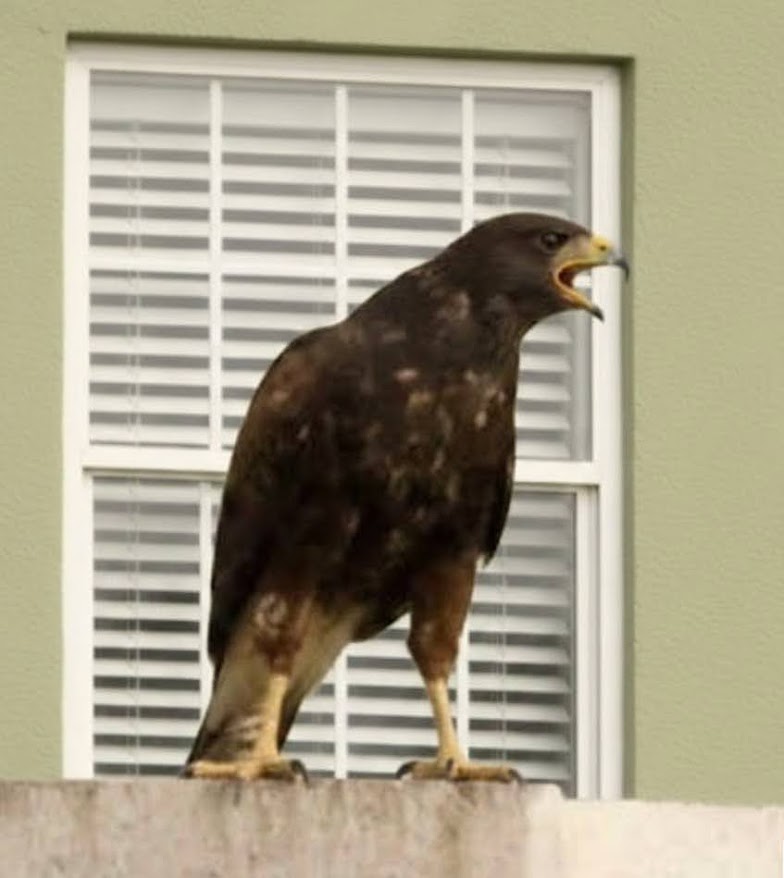
Harris Hawk

The Harris Hawk is a bird of prey that can swoop down and carry off small animals, including chickens. They are known to be skilled predators, and they hunt a variety of prey. They hunt in groups, which is uncommon among raptors.
They often hunt cooperatively, with one bird flushing prey from cover while another waits in ambush. This allows them to take down larger prey than they could handle alone.
The Harris hawk is a skilled and adaptable hunter that has evolved unique hunting behaviors to maximize its chances of success in capturing prey.

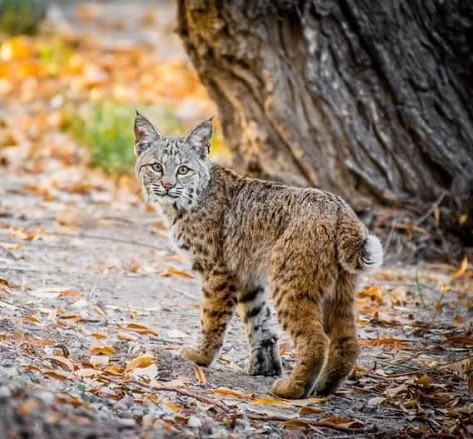
Bobcat

Bobcats are carnivorous animals and are known to prey on a variety of animals, including chickens. When hunting chickens, bobcats use their keen senses of sight, hearing, and smell to detect their prey. So it’s especially important to keep your keep clean. Bobcats typically wait until dusk to hunt, but keep in mind, I have experienced an attack during the day, so always assume your birds are at risk if unprotected. Bobcats aren’t known to be greedy, they usually take just one bird.

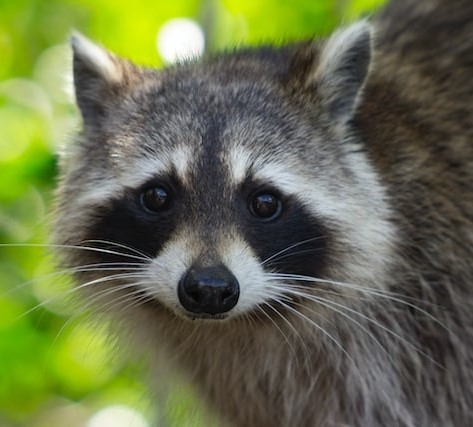
Racoon

Raccoons are known to be skilled at breaking into chicken coops and killing chickens. They are not a huge threat in the city, but I have seen them on our urban farm.
Raccoons are a type of mammal that are known for their distinctive “hands.” Raccoon hands which are very dexterous and have long, flexible fingers that can grasp and manipulate objects with ease, such as latches on coop doors.

Rattlesnake

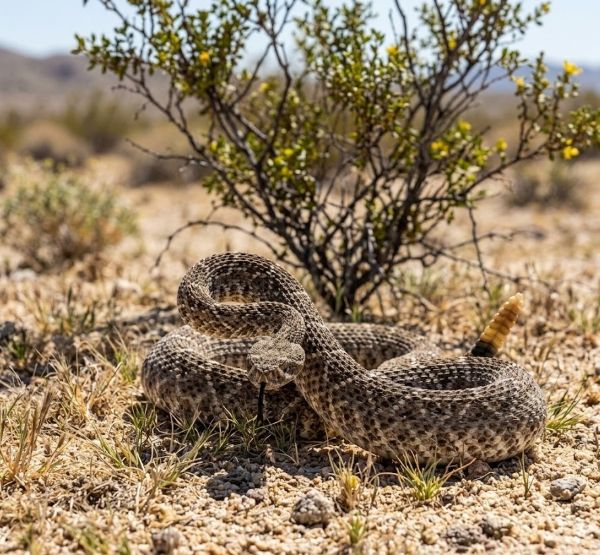
Rattlesnakes can pose a threat to chickens, they are venomous snakes that are found not only in desert areas but the city as well. They are known to prey on small animals which includes birds. Chicks are potential prey for rattlesnakes because they are small and often forage on the ground, which makes them vulnerable to snake attacks. If a rattlesnake can get into a chicken coop or other chicken enclosure, it may be able to kill or injure chickens.

How to Protect Your Backyard Flock From Predators

Secure your coop: Make sure that your coop is secure and predator-proof. This includes using sturdy materials for the coop, such as wire mesh or hardware cloth, and ensuring that all openings are covered with tight-fitting, predator-resistant material. It is also important to have a strong lock on the door, as many predators are quite clever at finding their way in.
Provide a secure run: A run is a fenced-in area where your chickens can roam during the day. Make sure the run is secure with a sturdy fence that is buried at least 6 inches into the ground to prevent predators from digging underneath it. Cover the top of the run with netting or wire mesh to prevent hawks or other birds of prey from swooping in.
Keep the area clean: Predators are attracted to areas where they can easily find food, so make sure to clean up any spilled food or water and store feed in a secure container. Also, remove any debris or brush around the coop that predators could use as cover. Droppings from your birds are also an attractant, clean the coop at least once a week.
Use lights and sound: Some predators are deterred by lights or loud noises. You can install motion-activated lights around the coop or a device that emits sound to deter predators.

Back to HOME PAGE