The deep litter method is a system of managing chicken litter (the mixture of bedding material and chicken manure) in a coop. Instead of regularly removing all the litter and replacing it with fresh bedding, the deep litter method involves adding fresh bedding material on top of the existing litter to create a deep bed. As the chickens scratch and peck through the litter, their manure gets mixed in with the bedding material, which begins to decompose and create heat. The heat and decomposition process helps to break down the manure and create a natural compost, which in turn provides warmth and insulation for the chickens during cold weather. Over time, the deep litter bed will build up to a depth of several inches. As long as the litter is kept dry, it will continue to break down and provide a healthy environment for the chickens. The deep litter method requires less frequent cleaning and can be a more natural and sustainable way to manage chicken litter, while also providing some natural pest control and reducing odors. However, it is important to monitor the litter moisture levels and ensure it does not become too wet or compacted, which can lead to health issues for the chickens.
Can You Have Chickens Where You Live? Before you buy anything, make sure you’re allowed to have a backyard flock where you live. Check your local city ordinances, and remember, homeowner’s associations and residential subdivisions may have laws that aren’t included in government city ordinances. The Cost of Getting Started I certainly understand the cost of eggs has soared to an unreasonable price, and having your own fresh eggs every day sounds pretty nice. But like anything else, there’s a cost for that luxury. It has been said the cost of your first egg is $750, however, in today’s world, a $1,000 minimum may be closer to reality. Your baby chicks are going to need a brooder until they are 7-8 weeks old, then a suitable coop for the climate where you live. Don’t forget, there are numerous supplies needed to care for your chicks/chickens which we’ll address later in this article. In short, you can buy an awful lot of eggs for the cost of having fresh eggs in your backyard, let’s face it, you’re going to pay for eggs one way or another. Don’t forget there’s also a monthly cost of keeping chickens, there’s feed, shavings for the coop, and other necessities and/or miscellaneous supplies.
Still Interested? Then Let’s Get Started…
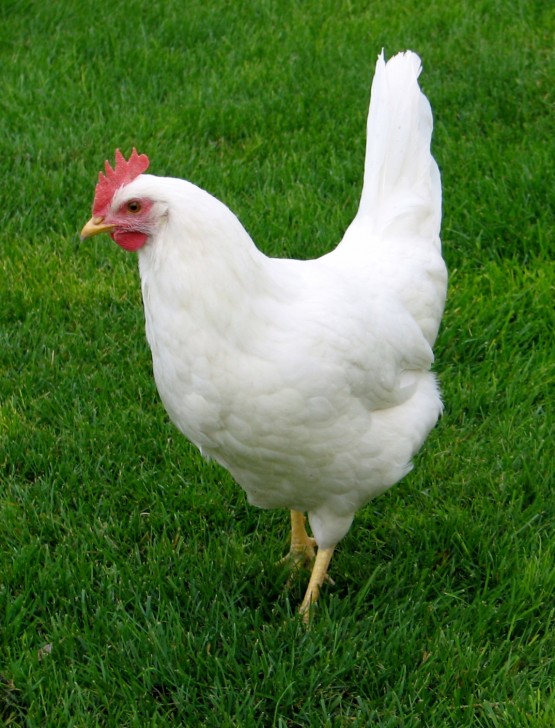
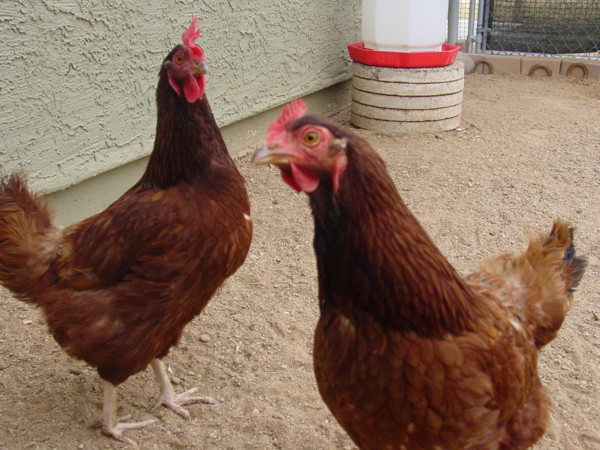
The Brooder for Baby Chicks A place to raise your baby chicks can be rather simple, a box will do, but chicks also need a drinker, feeder, and a heat source. Today, we use radiant heat, heat lamps are seldom used as they are difficult to regulate a consistent temperature, not to mention they are fire hazards. This means raising your baby chicks should be in the Spring, or when temperatures are moderate. Radiant heat is most efficient in temperatures above 55. Learn more about Radiant Heat Brooders. The Chicken Coop First-time buyers always buy a too-small coop, this will prove to be a mistake in the long run. Chickens need space in order to live in harmony, and happy chickens are what fill the egg basket. A coop should be easy for you to clean, and easy to gather eggs. It should be a suitable shelter for inclement weather and be predator-proof. And remember, you get what you pay for, buy quality, you’re not saving money if you have to buy a coop twice. View Coop Types How Much Space Do Chickens Need? Where to Get Your Chicks and Choosing the Right Breed Choosing a breed depends on what your chickens’ purpose is, egg production is the focus here, so learning about which hens are prolific egg layers is most important. Some breeds, especiallyexhibition or ornamental breeds have broody tendencies and are not a good choice for egg production. (A broody hen has a strong urge to hatch eggs, and a strong desire to sit on and incubate eggs. A broody hen will remain on the nest for extended periods of time, even when there are no eggs present. During this time she will not lay eggs.) Most Common Broody Breeds Buff Rocks, Cochins, Buff Orpington, Brahmas, Silkies, Sussex, Dominique, & Dorking. Note: The Silkie is probably the most broody of all. Most Common Prolific Egg Layers White Leghorn: An excellent egg layer, leghorns produce 280+ eggs annually. They lay large quantities of big white eggs. Rhode Island Red: An excellent choice for laying 260 large brown eggs annually. Ameraucana: (Easter Egger) Producing around 250 eggs per year. The eggs are medium in size and can be blue, green, white, or tinted pink in color. Polish Chicken (Top Hat) Looking for a hen with a little more character? The Polish hens lay about 200 eggs annually. This breed is not usually found in feed stores, but are available through online hatcheries.
White LeghornRhode Island Red Easter EggerWhite Crested PolishSilver Laced Polish
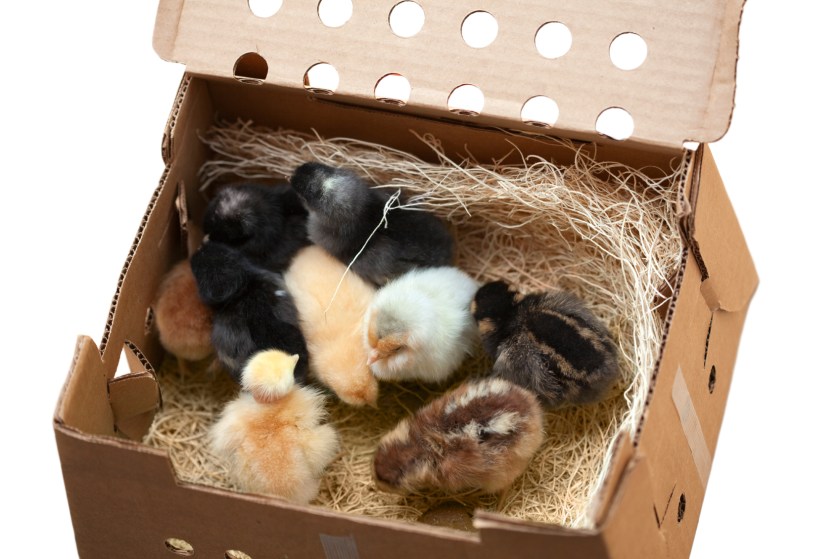
Where to Buy Chicks You can usually find baby chicks in your local feed stores, but you won’t have the opportunity to choose a specific breed. There are many hatcheries online that sell just about any breed you want, and your baby chicks will be shipped to your local post office. You will be notified when they’re shipped, and when they arrive. This is primarily how I buy all my birds. Here’s a list of Hatcheries to choose from. Wondering how many chicks to buy?
Mail order chicks arrive in a box like this & are shipped to your local post office.
Basic Start-up Supplies For Chicks Brooder for chicks (Brooder Box Ideas) Heat Source(Radiant Heat) Bedding (Pine Shavings) Chick Feeder & Drinker Chick Starter Feed Paper Towels (Best footing for the first week in the brooder. Also for pasting-up issues.) Basic Start-up Supplies for Chickens Coop Fencing (with cover) for outdoor run. Roosting Bar Drinker & Feeder Nesting Boxes (1 for every 2 birds) Pine Shavings Chicken Feed Metal trash can for 40lb bag of feed Rake Wheel barrel (for cleaning & managing pine shaving transporting feed bags.)
The real question you should be asking yourself isn’t about saving money on the cost of eggs… it’s whether or not you want to raise chickens and enjoy fresh eggs. Because quite honestly, it’s far more expensive to raise chickens than buying eggs at Walmart.
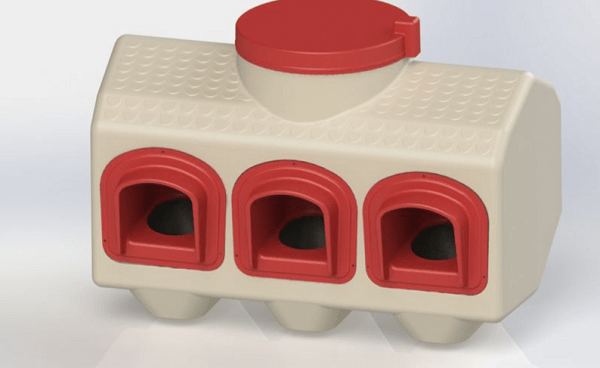
Feed waste is expensive, and the biggest reason for it is because chickens tip the feeder and it spills all over the place. These newly designed feeders solve that problem because the birds have to reach inside the feeder to eat. The feeders I’m showing you below target this problem, and although they’re a bit more pricey, it’s money well spent. Trust me, it’s time to pitch those ol’ fashion hanging feeders, reach a little deeper into your pocket, and join the modern chicken-keeping world. Let’s take a look… but in my opinion, nothing is spill proof, because my hens still manage to spill feed from ALL feeders. I guess we all just do the best we can, these feeders are at least better than most.
RentACoop Feeder
Package includes (1) 10lb Feeder which can be installed inside or outside of your coop on wood or wire. Dimensions are 5.5 x 5.5 x 17 Inches The 10lb Feeder prevents feed spill and is 100% waterproof. The design also deters rodents and wild birds from stealing and contaminating your chicken’s feed. Comes with all necessary hardware including 2 screws for installing on wood and 2 custom metal hooks for hanging on any type of wire (even 1/2″ hardware cloth) Suitable for all types of feed – Pellets, Crumbles, Grain and Scratch For Poultry 12 weeks and older only. Available on Amazon
KEBONNIXS Port Feeder& Drinker Set
Kebonnixs port feeder and cup waterer has overcome many of the common issues with the traditional metal or plastic chicken feeders or waterers.
The set includes: one cup waterer (2 gallon) and one port feeder(10 lbs), both of which can be installed inside or outside of your coop on wood or wire with using included screws or metal hooks. Available on Amazon
OverEZ Chicken Feeder For Large Flocks
This chicken feeder is the clean, convenient feeding solution for healthy chickens. Chicken feeder holds 50 lb. of feed and is suitable for indoor and outdoor use. It features a no-waste design and feeds chickens that are 12 weeks or older. Feeder may be placed inside a coop or outdoors. Sold by Tractor Supply
Got Baby Chicks Spilling Feed Everywhere?
Chick Feeder Dual Port
Chicks must be at least 1 week old to use feeder. Feed your chickens—not the ground! This 10″ high, mess-free feeder is practically revolutionary for those of us who have been feeding our flocks the old fashioned way. No-Waste! This innovative feeder solves all the problems of standard feeders. For starters, birds can’t spill their feed—the port design ensures it. Birds have to stick their heads in to eat. Lack of spillage not only keeps the mess to a minimum, but will also save you big bucks in the long run. Available at My Pet Chicken

 The deep litter method is a system of managing chicken litter (the mixture of bedding material and chicken manure) in a coop. Instead of regularly removing all the litter and replacing it with fresh bedding, the deep litter method involves adding fresh bedding material on top of the existing litter to create a deep bed. As the chickens scratch and peck through the litter, their manure gets mixed in with the bedding material, which begins to decompose and create heat. The heat and decomposition process helps to break down the manure and create a natural compost, which in turn provides warmth and insulation for the chickens during cold weather.