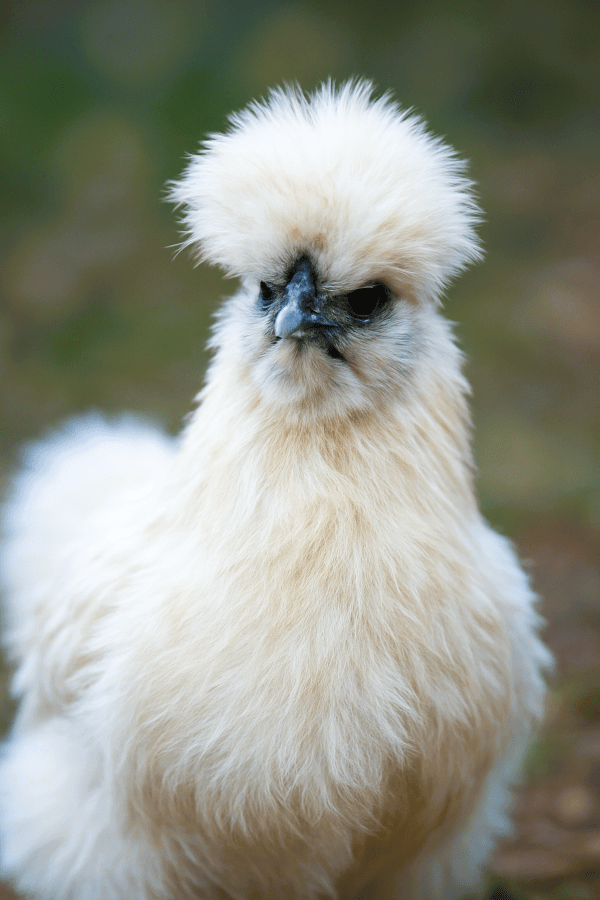
Silkie Fosters 6 Day Old Chicks

A Short Video of my Silkie & Two Hatch-a-Longs

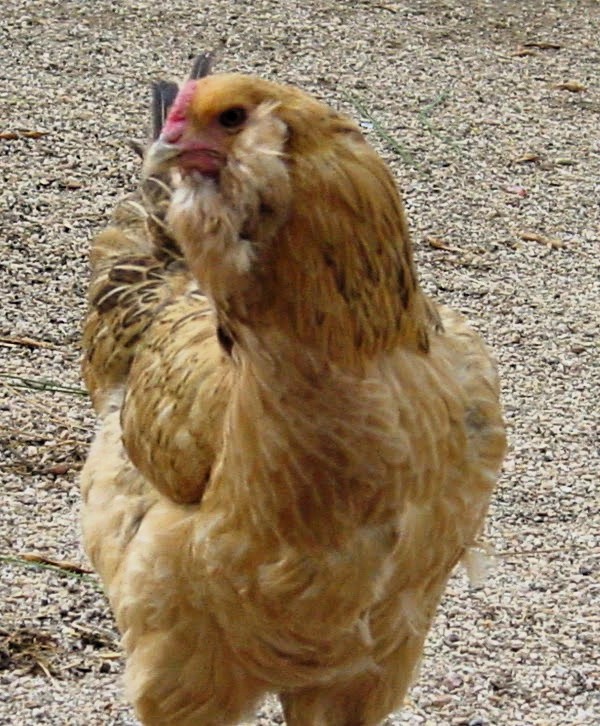
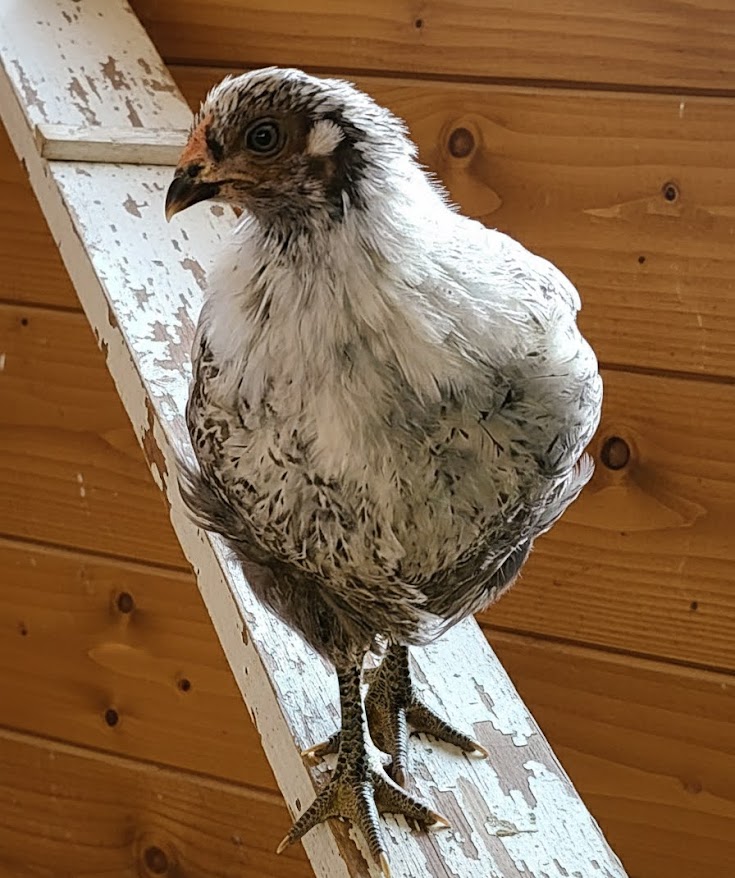
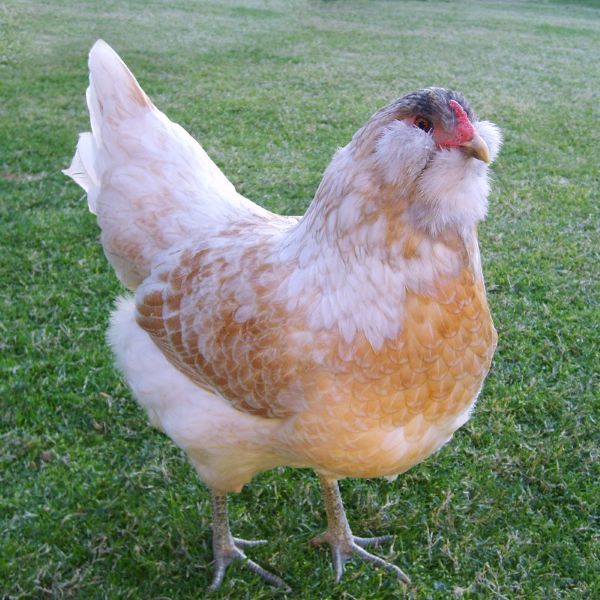
It wasn’t easy finding chicks only a few days old at the end of November; most feed stores stop ordering until spring. I don’t know why, because we live in Phoenix, and now is when the weather is finally comfortable. A few places still had chicks, but they were already several weeks old and too big for a broody hen to raise. Eventually, I found two six-day-old Easter Egger chicks. Still, it felt risky to assume my hen would accept them since they were larger than what she was used to.
At dusk, I went into the brooder pen inside the coop, removed the fake eggs from beneath her, and tucked the two babies under her wings. I waited… and sure enough, she tightened her wings around them and made her soft little cooing noises to comfort them. Success! I checked on them once during the night, and it was clear my hen had once again accepted babies that just magically appear out of nowhere.

The hen and chicks will stay confined in the corner pen for another week or so. After that, I open the door and let Mama decide when it’s time to bring them out into the real world. She’ll protect them from the flock, she may be older, but she’s definitely the boss when she has babies. She won’t allow the existing flock anywhere near them, and they learn quickly to respect her.

Back to HOME PAGE

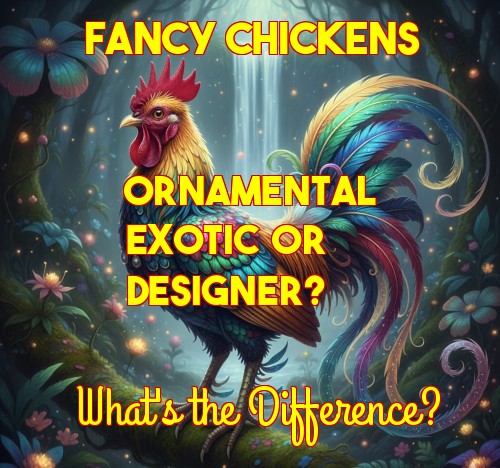
Definition of Ornamental, Exotic, and Designer Chickens

What’s the Difference & Where to Find Them

Not all chickens are bred just for eggs or meat, some are raised for their beauty, uniqueness, or both. You’ll often hear the terms ornamental, exotic, and designer used to describe different kinds of specialty breeds. You’ll find a link below to help direct you to U.S. based hatcheries who may have these special breeds available.
Here’s what sets these specialty breeds apart:
Ornamental Chickens
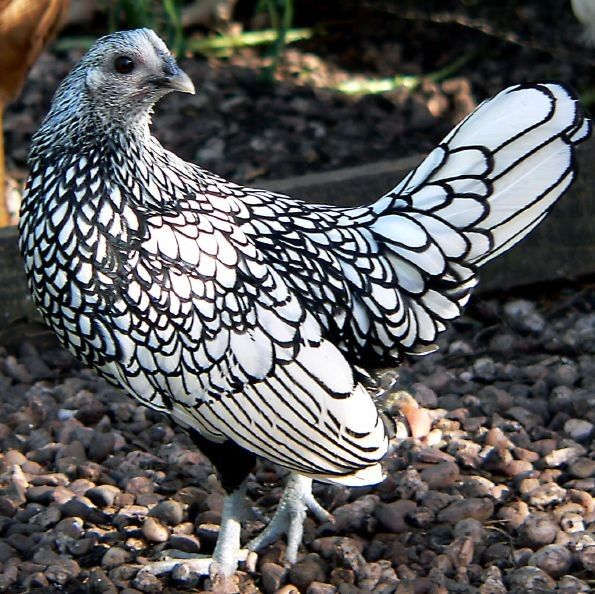
Ornamental chickens are the showstoppers of the poultry world. These birds are bred mainly for their appearance rather than production. With their fancy plumage and striking colors, they’re often found in exhibition shows or simply admired by the backyard chicken keeper. A few common examples of these birds are the Sultan, Polish, Silkie (my favorite), and the Sebright.


Designer Chickens (Sometimes called hybrids)
Designer chickens are all about creativity and crossbreeding. These birds aren’t purebred but are intentionally mixed to bring out special traits, like unique feather colors, egg hues, or personality. They are usually created by hatcheries or breeders for specific visual or egg color traits, blending both aesthetic and functional qualities, unlike exotic or ornamental breeds, which are historic or purebred.
A good example of designer chickens are Olive Eggers (a cross between Ameraucanas and Marans) and Easter Eggers, known for their colorful blue-green eggs. Both are prolific egg layers.


Exotic Chickens
“Exotic” refers to breeds that are rare or foreign to your region. I have never seen any of these birds in real life, but here are a few examples.
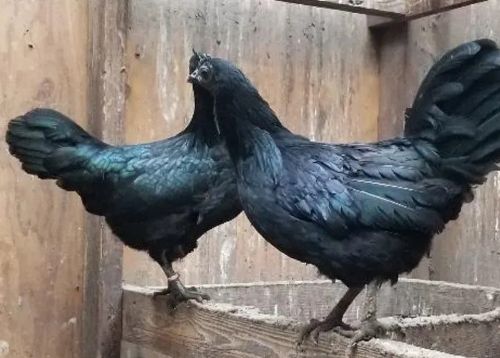
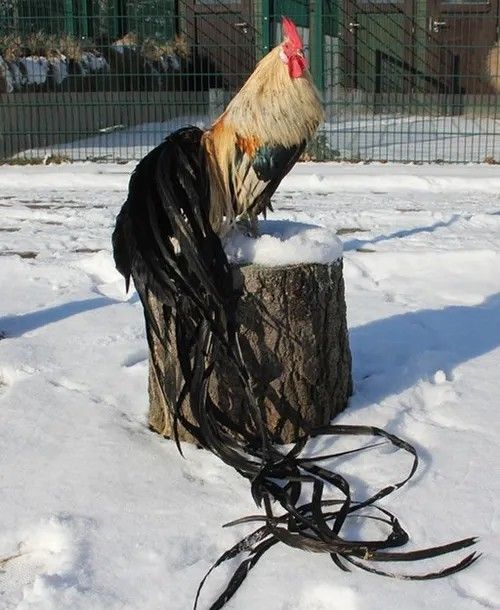
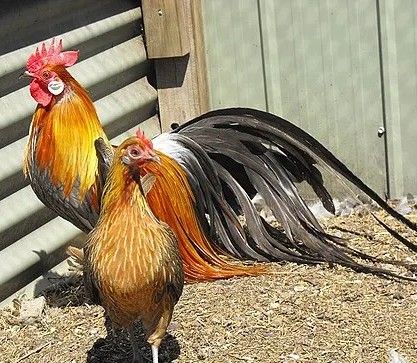
Ayam Cemani (Indonesia), Onagadori (Japan), Phoenix (Germany, derived from Japanese stock), Svart Hona (Sweden)

How & Where to Find Specific Breeds

First Time Buying from a Hatchery? Here’s What to Expect

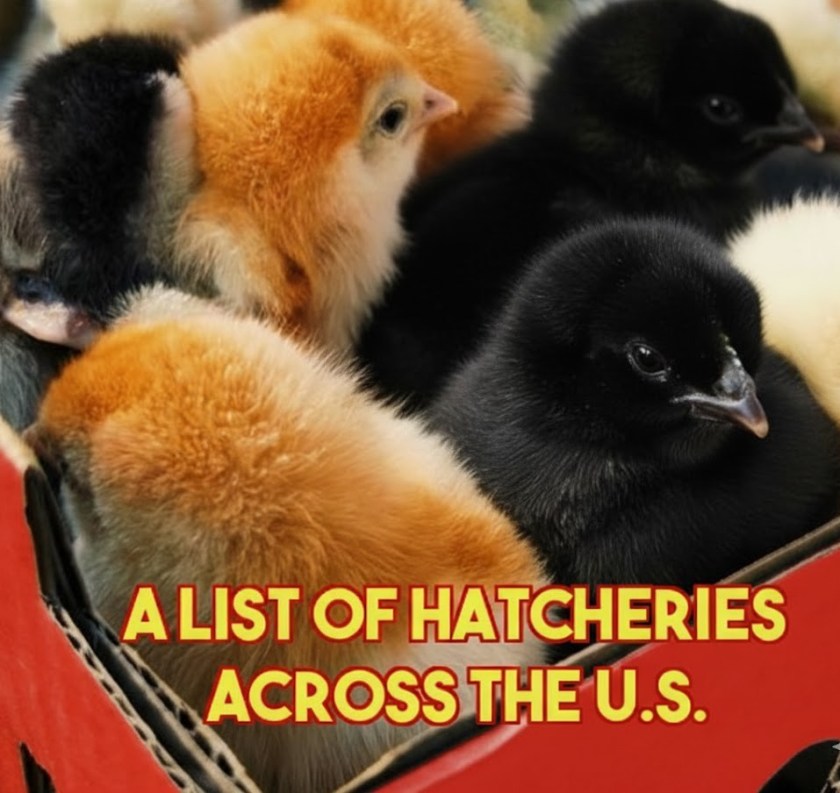
Most hatcheries have a minimum order of 3 to 15 chicks to keep them warm in transit. You’ll choose your preferred breeds and check for an available shipping date at checkout. Hatcheries only ship newly hatched chicks so they can safely survive the journey without food or water due to absorbed yolk nutrients. Chicks are shipped via USPS Priority Express or Priority Mail. Delivery usually takes about 2 days. Your local post office will call you when your chicks arrive.

Back to HOME PAGE

Which Breeds Make My Top 10 Prolific Egg Layers List?

Can’t decide which breeds to choose for your Spring flock? Of all the breeds that have been on our farm, these 10 were by far the best egg layers.

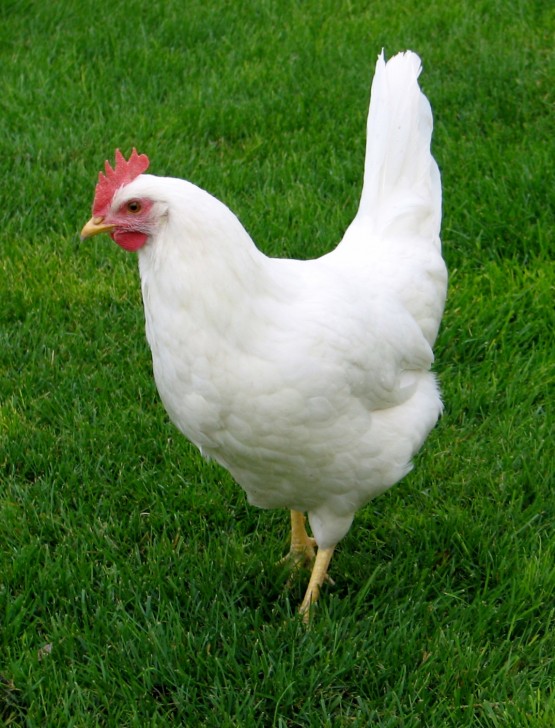
Leghorn: These chickens are the most popular breed for commercial egg production, known for their high egg-laying rates and large, white eggs.
Rhode Island Red: These birds are popular for backyard flocks due to their good temperament and consistent production of large, brown eggs.
Easter Egger: This is not an actual breed but rather a type of chicken that can lay eggs in a variety of colors, including blue, green, and pink. They are popular for backyard flocks due to their egg color and good egg production.
Plymouth Rock: These birds are also dual-purpose and known for their brown eggs, good meat quality, and calm temperament.
Australorp: This breed is known for its docile temperament and excellent egg production, laying large, brown eggs.
Orpington: These birds are known for their calm demeanor and are popular for backyard flocks due to their good egg production and meat quality.
Wyandotte: These birds are known for their hardiness and consistent egg production, laying medium-sized, brown eggs.
Marans: This breed is known for its dark brown eggs, which are highly prized by many egg enthusiasts.
Sussex: These are dual-purpose birds, meaning they can be raised for both meat and eggs. They are known for their sweet disposition and good egg production.
Ameraucana: These birds are popular for their blue and green eggs and are known for their hardiness and good egg production.

Back to Chicken Keeping Resources HOME PAGE