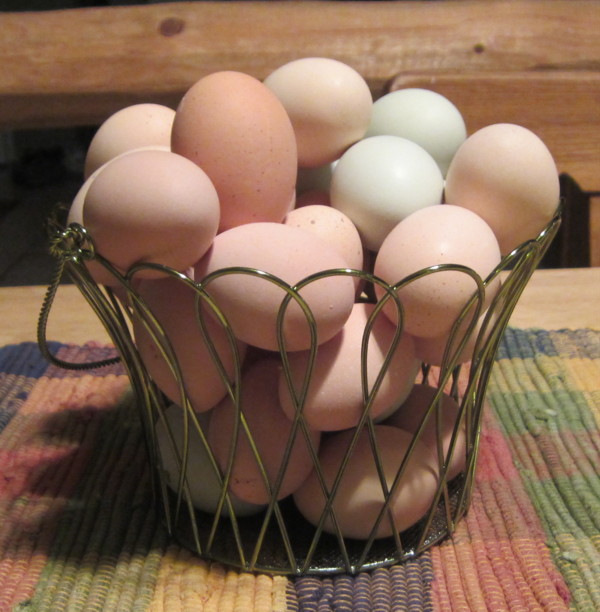
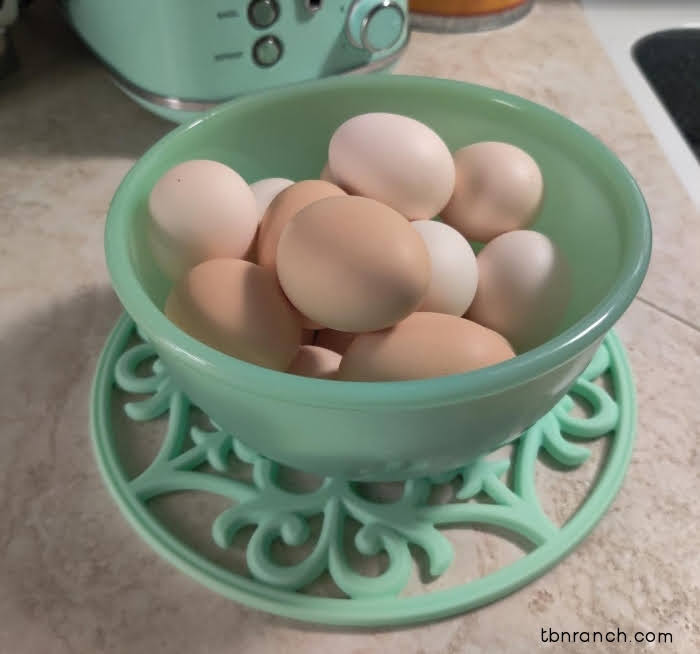
Considering Backyard Chickens Because of Egg Prices?

Can You Have Chickens Where You Live?
Before you buy anything, make sure you’re allowed to have a backyard flock where you live. Check your local city ordinances, and remember, homeowner’s associations and residential subdivisions may have laws that aren’t included in government city ordinances.
The Cost of Getting Started
I certainly understand the cost of eggs has soared to an unreasonable price, and having your own fresh eggs every day sounds pretty nice. But like anything else, there’s a cost for that luxury. It has been said the cost of your first egg is $750, however, in today’s world, a $1,000 minimum may be closer to reality. Your baby chicks are going to need a brooder until they are 7-8 weeks old, then a suitable coop for the climate where you live. Don’t forget, there are numerous supplies needed to care for your chicks/chickens which we’ll address later in this article. 
In short, you can buy an awful lot of eggs for the cost of having fresh eggs in your backyard, let’s face it, you’re going to pay for eggs one way or another. Don’t forget there’s also a monthly cost of keeping chickens, there’s feed, shavings for the coop, and other necessities and/or miscellaneous supplies.

Still Interested? Then Let’s Get Started…

The Brooder for Baby Chicks
A place to raise your baby chicks can be rather simple, a box will do, but chicks also need a drinker, feeder, and a heat source. Today, we use radiant heat, heat lamps are seldom used as they are difficult to regulate a consistent temperature, not to mention they are fire hazards. This means raising your baby chicks should be in the Spring, or when temperatures are moderate. Radiant heat is most efficient in temperatures above 55. Learn more about Radiant Heat Brooders
The Chicken Coop
First-time buyers always buy a too-small coop, this will prove to be a mistake in the long run. Chickens need space in order to live in harmony, and happy chickens are what fill the egg basket. A coop should be easy for you to clean, and easy to gather eggs. It should be a suitable shelter for inclement weather and be predator-proof. And remember, you get what you pay for, buy quality, you’re not saving money if you have to buy a coop twice. 
View Coop Types
How Much Space Do Chickens Need?
Where to Get Your Chicks and Choosing the Right Breed
Choosing a breed depends on what your chickens’ purpose is, egg production is the focus here, so learning about which hens are prolific egg layers is most important. Some breeds, especially exhibition or ornamental breeds have broody tendencies and are not a good choice for egg production. (A broody hen has a strong urge to hatch eggs, and a strong desire to sit on and incubate eggs. A broody hen will remain on the nest for extended periods of time, even when there are no eggs present. During this time she will not lay eggs.)
Most Common Broody Breeds
Buff Rocks, Cochins, Buff Orpington, Brahmas, Silkies, Sussex, Dominique, & Dorking.
Note: The Silkie is probably the most broody of all.
Most Common Prolific Egg Layers 
White Leghorn: An excellent egg layer, leghorns produce 280+ eggs annually. They lay large quantities of big white eggs. 
Rhode Island Red: An excellent choice for laying 260 large brown eggs annually.
Ameraucana: (Easter Egger) Producing around 250 eggs per year. The eggs are medium in size and can be blue, green, white, or tinted pink in color. 
Polish Chicken (Top Hat) Looking for a hen with a little more character? The Polish hens lay about 200 eggs annually. This breed is not usually found in feed stores, but are available through online hatcheries.

Where to Buy Chicks
You can usually find baby chicks in your local feed stores, but you won’t have the opportunity to choose a specific breed. There are many hatcheries online that sell just about any breed you want, and your baby chicks will be shipped to your local post office. You will be notified when they’re shipped, and when they arrive. This is primarily how I buy all my birds.
Here’s a list of Hatcheries to choose from. Wondering how many chicks to buy?

Mail order chicks arrive in a box like this & are shipped to your local post office.

Learn More About Which Breed is Best For You

Basic Start-up Supplies For Chicks
Brooder for chicks (Brooder Box Ideas)
Heat Source (Radiant Heat)
Bedding (Pine Shavings)
Chick Feeder & Drinker
Chick Starter Feed
Paper Towels (Best footing for the first week in the brooder. Also for pasting-up issues.)
Basic Start-up Supplies for Chickens
Coop
Fencing (with cover) for outdoor run.
Roosting Bar
Drinker & Feeder
Nesting Boxes (1 for every 2 birds)
Pine Shavings
Chicken Feed
Metal trash can for 40lb bag of feed
Rake
Wheel barrel (for cleaning & managing pine shaving transporting feed bags.)

The real question you should be asking yourself isn’t about saving money on the cost of eggs… it’s whether or not you want to raise chickens and enjoy fresh eggs. Because quite honestly, it’s far more expensive to raise chickens than buying eggs at Walmart.

Back to Chicken Keeping Resources HOME PAGE

Silkie Bantam

All About the Beautiful Silkie Bantam
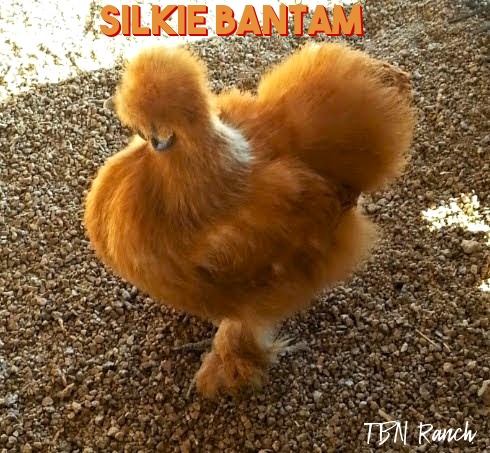
Silkies are a breed of chicken known for their fluffy, soft plumage that resembles fur. They have a distinctive appearance, five toes, and with combs and wattles should be a mulberry color or black. Their beak is usually a blue-gray color. They have black eyes and are described as exotic chickens. They are prized for their soft fluffy appearance and are quite popular in showing and exhibition.
They are known for having a calm and docile temperament, making them a popular choice for backyard flocks. They are a bantam breed, which means they are smaller in size compared to other chicken breeds. Silkie bantams typically weigh between 1.5 and 2.5 pounds. The weight can vary slightly depending on the sex of the bird, with roosters generally being slightly heavier than hens.
Silkies are thought to have originated in Asia, with China being the most likely place of origin. They were brought to Europe in the 13th century by Marco Polo and were later introduced to the Americas by early settlers. They are a hardy breed, able to tolerate cold weather, and can be raised in both free-range and confined environments.
Silkies are not known for being great layers, but I don’t find this to be true. My Silkie ladies lay most every day…. when not broody. They do indeed tend to be quite broody but are very attentive mothers, so they’re a great option for people who are interested in breeding ornamental chickens.

The Silkie chicken breed is available in bearded and non-bearded varieties. The bearded Silkie strain has a muff under the beak which covers the earlobes – this is absent in the other non-bearded Silkies. The Silkie rooster has a circular-shaped comb while the hen has a small, flat comb.
Silkie chickens come in many interesting colors, but accepted varieties include black, blue, buff, and white colors. Splash and partridge are also recognized and accepted APA colors.
Silkies are rather slow to mature, and usually don’t start laying until they reach 6 or 7 months. Eggs are cream in color and are considered small to medium.
Interesting fact: Silkies cannot fly, so roosts in the coop should be positioned low to the ground. You can offer a ladder to a higher roosting bar, but for the most part, I find Silkies prefer to be no more than 2 ft off the ground.

Back to Chicken Keeping Resources HOME PAGE

Salmonella Outbreaks Linked to Backyard Poultry | CDC

  • What you Need to Know if you’re Consuming Fresh Farm Eggs.
  • Salmonella Illness Fast Facts, August 2022
  • What You Need to Know as a Backyard Chicken Keeper

Whether you are raising backyard chickens or consuming fresh eggs from a local chicken keeper, there are a few precautions to be aware of. Salmonella is real, and a serious health threat that exists everywhere… even from local backyard chicken keepers.
Salmonella Illness Facts,
August 2022
Illnesses: 884
Hospitalizations: 158
Deaths: 2
States: 48 and the District of Columbia
Investigation status: Active
What You Need to Know as a Consumer of Backyard Farm Fresh Eggs
Backyard poultry, such as chickens and ducks, can carry Salmonella germs even if they look healthy and clean. These germs can easily spread to anything in the areas where the poultry live and roam.
You can get sick from touching backyard poultry or anything in their environment, including eggs.
Your eggs should never be in a used egg carton. If you’re unsure if your supplier uses new cartons, transfer the eggs into a clean wire basket. It’s a good practice to transfer eggs to your own basket before they reach your kitchen.
Discard dirty or irregular eggs. Dirty eggs mean the nest box is dirty, and the eggs may have been exposed to bacteria.
Don’t wash eggs; eggs have what is called the *bloom that protects the egg from bacteria. Washing removes the bloom, allowing bacteria to easily enter the egg.
Ask to see the area where the hens that supply your eggs are kept. It should be dry and not foul-smelling. The hens should look happy and healthy.
Never crack open the egg on the same pan you’re cooking in.
Wash your hands anytime you handle eggs, especially when cooking.
Those at Highest Risk of Severe Illness from Salmonella
Young children, especially under 5 years old.
Adults 65 and over, or someone with a compromised or weakened immune system.
What You Need to Know as a Backyard Chicken Keeper
Eggs from a backyard chicken keeper should be collected daily. Cracked, dirty, or eggs that aren’t in the nest box should be discarded. Fresh eggs are better left unwashed as not to disturb the bloom, which protects the eggs from bacteria.
It is good practice to clean nest boxes weekly and have at least one nest box for every three hens.
Don’t re-use egg cartons; or sell eggs in used cartons. Use a wire basket when collecting eggs. Ask your customers to bring their own basket or container.
Transfer eggs to a clean wire basket or new carton before storing them in your refrigerator.
Wash hands immediately after handling eggs.
There should be a clean space between your living quarters and the coop. Shoes, gloves, or anything you wear to work in the coop should be left in a designated area away from your living quarters. Rakes, shovels, and all cleaning supplies that are used in the coop should STAY IN THE COOP or a designated area nearby.
If your birds are free-roaming, they should have an area completely separate from the family home. This includes a no chicken zone where children or pets are likely to play.
Don’t let children younger than 5 years touch chicks, or other backyard poultry. Young children are more likely to get sick from Salmonella.
More information | CDC | Salmonella and Backyard Poultry
Centers of Disease Control & Prevention
Note: What is the Bloom? The “bloom” of an egg in an invisible coating that the hen’s body will “lay” on top of the shell of the egg. The bloom is also known as the cuticle of the eggs. It protects the egg from bacteria entering the egg.

Back to Chicken Keeping Resources HOME PAGE