Is Having a Few Chickens Something You’re Considering?

Maybe you didn’t think about being self-sufficient before 2020, but what about now? Did you see shortages and empty shelves at the grocery store? Despite the grocery store’s shortcomings, at least I knew there were always gonna be fresh eggs right in my backyard. It was a nice feeling, real nice, but is keeping chickens for you? Let’s take a closer look…
Having backyard chickens is going to add to your chore list, and yes, they’re kinda messy, and yes, you’re gonna spend a little extra money just to have those “free eggs.” But, putting all that negative stuff aside, the question of whether or not it’s worth it is a simple one. Yes, and here’s why.
The flavor of a fresh egg is rich, the color is vibrant, and the texture is amazingly firm in comparison to grocery store shelf eggs. But here’s the best part, farm fresh eggs taste better, and hold more nutritional value than store-bought. Studies have found that fresh farm eggs have less cholesterol, contain the right kind of fat, and have more vitamins than conventional eggs.
Fact: By law, an egg can be sold for up to 30 days after the date it was put in the carton. And farmers have up to 30 days to go from when the egg is laid to the carton. That means those supermarket eggs can be two months old by the time you buy them. It only makes sense to assume after two months some nutritional value has been lost.

Upkeep and What to Expect
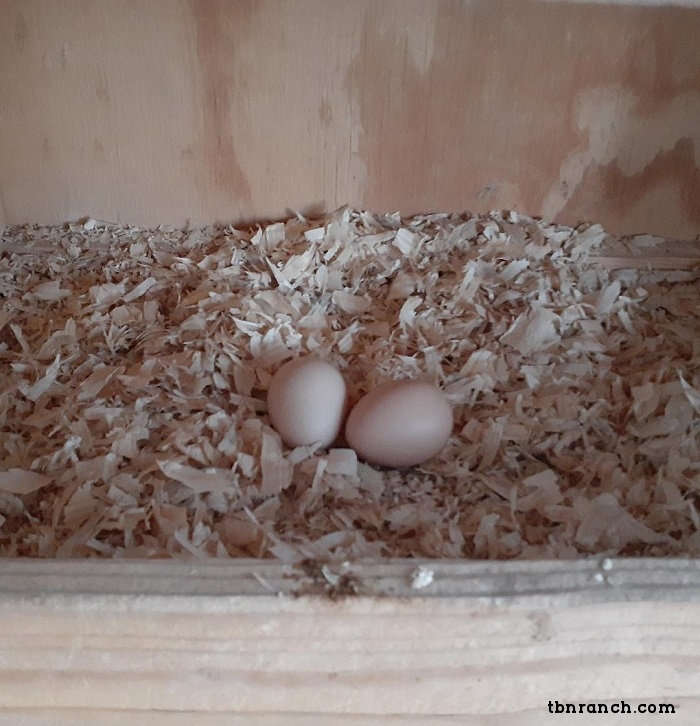
Every morning I spend about 10-15 minutes tending to my birds. I use a pooper scooper, pick up the droppings from the nest box and coop, fluff up the pine shavings, fill the drinker, collect eggs, and…. that’s it. Once a week the coop gets fresh pine shavings and the feeder is refilled. My hens have a large turn-out space attached to the coop, however, if they were confined to a coop 24/7, a more rigorous cleaning regiment would be inevitable.
Probably the biggest mistake I made when getting my first backyard flock was how many birds to get. Lesson learned, I bought way too many and ended up with more eggs than my family could eat.
Keep it simple, if you want to feed a small family of four, five to six hens is just about right.

Start-up Cost, The Honest Truth
No matter how you slice it or dice it, no less than $800 -$1,000. A nice well-built chicken coop that will last is not cheap. You can buy a cheapy online, but you’ll end up buying another, usually because it’s too small, or poorly made with sub-par lumber. You’ll also need a brooder for baby chicks, a heat source, a drinker & feeder for baby chicks, a drinker & feeder for mature chickens, nest boxes, perches, shavings, feed, cleaning supplies, etc. These are costs that can’t be avoided. Keep in mind, you will be feeding those chicks for 6-7 months before they lay their first egg.
As of March of 2023, a 40lb bag of layer pellets for adult hens averages about $24.00, organic is substantially higher. How long that last varies on how many birds you have and if it’s secure from wild birds accessing it.
The amount of feed an adult chicken consumes in one day can vary depending on several factors such as the size and breed of the chicken, the time of year, and the quality and type of feed provided. However, as a general guideline, an adult chicken typically requires about 4-6 ounces of feed per day.
Predator-proofing is another expense and one not to be skimped on. This article will help you prepare for the inevitable visit from a predator, yes, even if you are in the city. Here’s How.


 TBN Ranch Chicken Keeping Resources