Marek’s disease is an insidious disease that catches many keepers by surprise. Its effect on your flock can be devastating. We’ve discussed Marek’s in the past, however there is much mis-information out there, so this article will clarify matters for you and your birds… Continue Reading
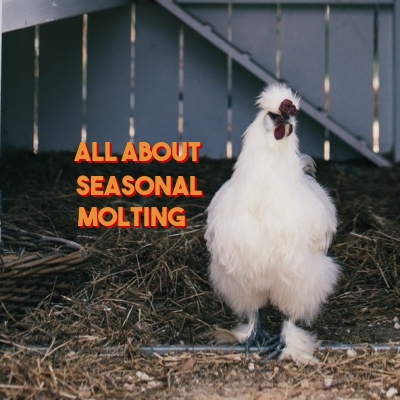
Every year your chickens will molt, in other words, lose their feathers and grow new ones. Unfortunately, it also means most hens will not lay eggs until their molt cycle is done. However, there are exceptions to that rule. There are hens whose rate of lay is not affected, but you can expect their molt time to last longer... CONTINUE READING
Chickens never lay more than one egg per day. If the eggs are not collected, and a sufficient number of eggs are allowed to remain in the nest, the hen may stop laying eggs and start brooding. When the hen leaves the nest after laying an egg, it cools which suspends the development of the embryo inside. If the temperature remains between 45F and 65F, the embryos will remain viable for as long as two weeks. When the hen becomes broody and sits on her eggs for three weeks, all of the eggs will hatch at about the same time. This is why it is normal for the hen to leave the nest after laying. Remember, not all hens will sit on eggs…ever. However, some breeds have very strong tendencies to become broody or be inclined to incubate eggs such as Silkies, Cochins, and Brahmas.
 by The Happy Chicken Coop