The Real Costs & Challenges of Backyard Chickens
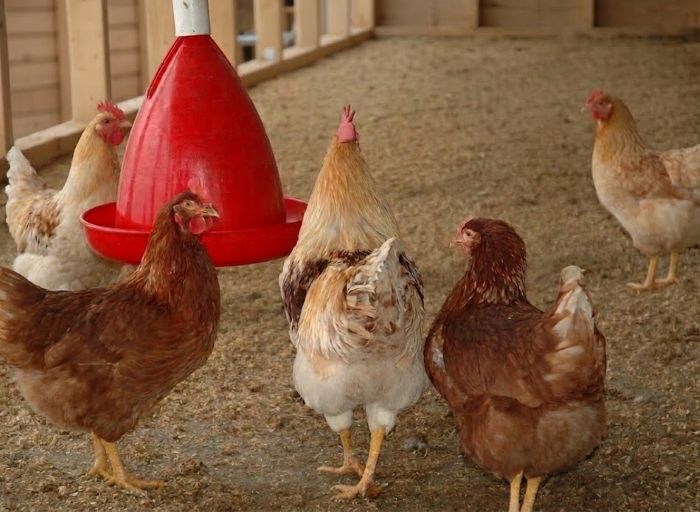
 Let’s talk about the reality of keeping backyard chickens, because I think many people don’t fully realize what they’re getting into.
First of all, while fresh eggs are certainly nice to have, it’s important to understand they will cost you far more than store bought eggs. Feed isn’t cheap, and the supplies needed to keep your flock healthy are ongoing expenses. No matter how budget friendly your plans or set-up ideas may be. Below is a realistic guideline of what you can expect to pay for your initial backyard set-up for 6 hens and the ongoing costs.
Coop & Run:
DYI Bare-bones: $800–$1,200
Average, solid setup: $1,200–$1,800
Prebuilt / higher quality: $1,800–$2,500+
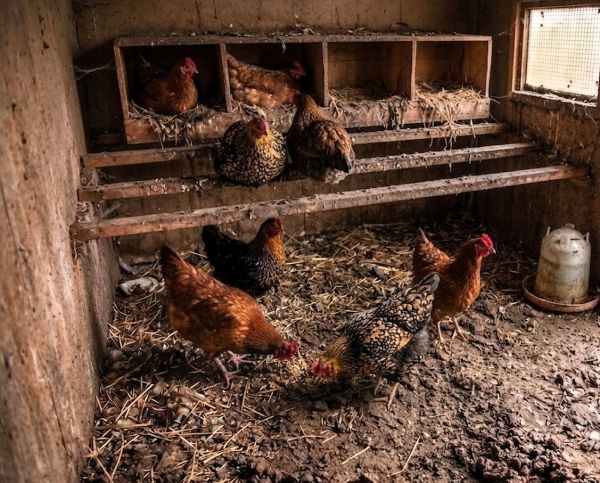
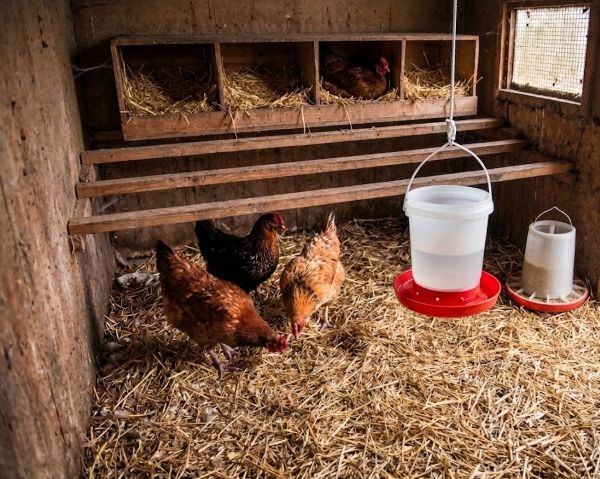
What Size Coop? How Much Space Your Chickens Will Need
Ongoing Costs:
Feed: $15–$30/month
Bedding , upkeep, supplements / treats : $10–$35/month
Rough yearly cost for 6 hens: $500–$1,000
Those are the basic facts, and maybe you’ve already considered them, but I know what you’re thinking. I can do it cheaper! Could you? Yes. Will you wish down the road you hadn’t cut corners? Yes.
So let’s get into what you may have overlooked, the things nobody wants to talk about. If you’re going to keep chickens, this is the part you need to be clear-eyed about. Things will go wrong at some point. Fact: There will be unexpected health issues, injuries, and problems when keeping chickens. You can expect health problems to occur, most common are egg related issues, digestive problems, respiratory illness, and external parasites. You will see bullying that can cause injuries, which are disturbing to witness. Therefore, you should be prepared to have a dedicated space to isolate a sick or injured bird, which is another expense.
Let’s Do Egg Math
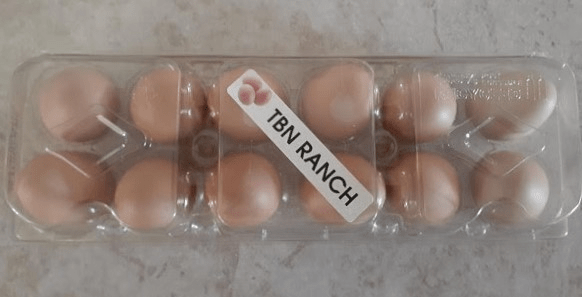
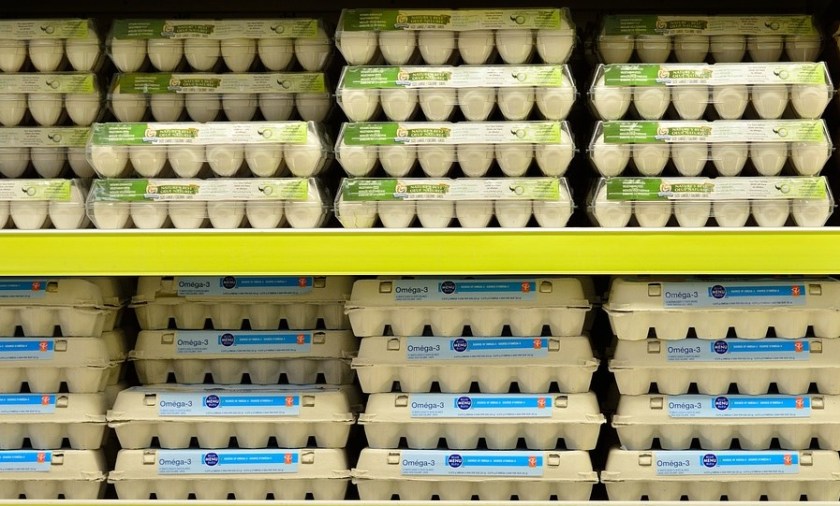
In 2026, eggs at a typical U.S. grocery store tends to fall roughly in the range of about $1.50 – $3.50 per dozen for conventionally raised hens. So if you buy 2 dozen conventional eggs per week, you’d spend roughly $156–$312 per year.
Cage‑free, organic, or free‑range eggs at about $4–$6+ per dozen, buying 2 dozen a week would cost roughly $416–$624+ per year.
Fact: 6 hens will not provide 2 dozen eggs in a week, 18 would be more realistic. Also, take into consideration, hens lay much less, if at all during the winter months. And if you have broody1 breeds, they might not lay for months at at time.
Costs of Purchasing Your Flock
Approximate Price Breakdown for Buying Chickens in the U.S.

Let’s start with 6 chickens, which is a good number for a family of 4, the cost varies depending on their age.
Baby chicks, which are day old or a few weeks old, typically cost around $3–$10 each for common laying breeds, so you’re looking at roughly $18–$60 for six.
*Chicks are the cheapest upfront, but they require extra care, including a brooder, heat, and starter feed. Raising Baby Chicks, Everything You Need to Know
Pullets, which are young hens nearing laying age, usually run about $15–$30 each, bringing the total for six to around $90–$180.
* Pullets are popular because they start laying soon after arrival, offering a balance between cost and convenience.
Adult laying hens, already producing eggs, cost the most upfront, typically $20–$50 per bird, so six would set you back about $120–$300.
* While pricier, adult hens give you fresh eggs immediately without the wait. Prices can fluctuate based on breed, and where you buy them, with specialty or rare breeds often costing significantly more.
🐀What You Don’t Want to Hear….
Chickens will undoubtedly attract predators. If your coop isn’t properly secured, the consequences can be devastating. This is not an area to cut corners, no matter where you live. Whether you’re in the country, the city, or the suburbs, your flock is at risk without proper protection. What kind of predators? Most common are coyotes, racoons, fox, hawks, owls, weasels, mink, opossums, and sometimes dogs.
Now let’s talk about rodents. Yes, chickens attract rats and mice, something your neighbors won’t be to keen on. While you can take steps to minimize their presence, it’s unlikely you’ll eliminate them entirely. And if rodents show up, snakes won’t be far behind. They’re drawn in by an easy food source, feeding on mice, rats, and even eggs.
Why We Do It
Knowing all the challenges, people still choose to raise chickens because the rewards can make it worth it. Fresh eggs are a big reason, they often taste better, and you know exactly where they come from.
Chickens teach responsibility, commitment, patience, and problem solving. There’s also a sense of pride that comes from raising a healthy flock and collecting eggs you helped produce. In the end, people don’t raise chickens because it’s easy or cheap, they do it because it’s rewarding and interesting.
So there you have it, the honest scoop on raising chickens. Now it’s up to you to decide if it’s right for you.
- the term “broody” refers to a hen that has the strong instinct to sit on eggs and hatch them, rather than just lay eggs. A broody hen usually stops laying until the broodiness passes or the eggs hatch. ↩︎

 TBN Ranch Chicken Keeping Resources