Bedding Choices to Keep your Coop Clean, and your Life Easier

When it comes to chicken coop bedding, new options and creative combinations are gaining popularity as chicken keepers look for better choices.
Hemp bedding is becoming especially popular. It’s highly absorbent, some sources say it can hold up to four times its own weight in moisture, and it naturally helps control odors better than shavings. It also breaks down easier when composting. However, consider the fact that Hemp is pricier and may be hard to source.
I don’t have any personal experience with Pelletized Bedding but I have heard of other chicken keepers using it and are happy with its performance. It’s often made from recycled paper or other natural materials. These pellets produce less dust, and can sometimes outperform traditional options when it comes to odor control. But in my opinion it sounds like it’s a product you are going to be replacing often… that means an expense and a chore you may not want.
The Deep Litter Method continues to be a favorite for its practicality and sustainability. Instead of frequent full clean-outs, fresh bedding layers are added over time while the old material decomposes in place. This system helps manage odor, generates warmth, and reduces labor. However, success depends on good ventilation, regular stirring or turning, and careful moisture control, otherwise, issues like ammonia, mold, and pests will most definitely become a problem. This method is most popular in colder climates.
Pine Shavings are probably the most popular product used in coops, but that doesn’t mean it’s the best choice. I won’t deny they’re soft, absorbent, help control odors, and smell wonderful. Not to mention they’re affordable, widely available, compost well, and a good choice for the deep litter method. But there is a downside, pine shavings are super dusty which can be a respiratory irritant to chickens as well as their keepers. They break down quickly, need regular refreshing, and when they get damp, trap bacteria and ammonia. Shavings need to be replaced often, a chore that is time consuming and messy. Which brings me to why I don’t use them, and what I highly recommend instead….
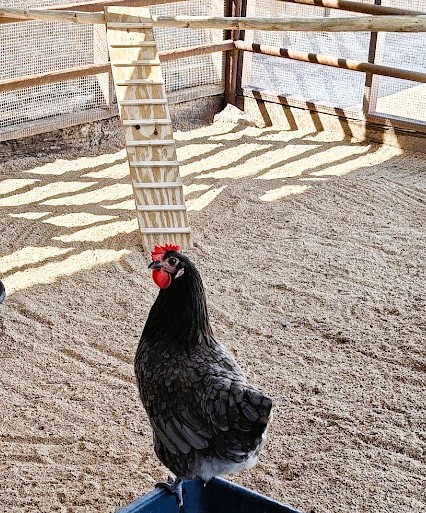
Sand
Sand has become a very popular growing trend. Sand dries quickly, doesn’t decompose or get moldy like other bedding, and provides great drainage. Coarse sand (I use construction grade) is the best choice (fine play sand should be avoided.) The coop is easy to clean using a sifting rake. You can have sand delivered from a local landscape center, take the afternoon and spread it yourself (or hire someone,) and you are good to go for literally years.
If you feel the need to mix or blend bedding materials, this is okay too. This is a great way to take advantage of the different individual strengths of various beddings. It makes good sense to adjust bedding seasonally, especially in winter.
More info: Sand types / Sifting shovels


 TBN Ranch Chicken Keeping Resources