Problem Solving & Solutions

Rats are attracted to food, so the first thing to address is keeping their access to food at a minimum. Don’t leave food in the coop over night, or switch to a feeder that can be closed at night, there are many types to chose from. Feeder Types
Like all walks of life, rats need water. Switching to Nipple Drinkers rather than traditional drinkers may be helpful. Not to mention nipple drinkers are healthier since rats carry numerous diseases that can be spread through traditional drinkers.
The Exception to the Rule: If you live where temperatures exceed 110 like here in Phoenix, nipple feeders are not recommended. Hydration is imperative, and chickens will drink more if water is kept cooler from a large-capacity drinker.
Clean up spilled feed daily, be creative, put something under the feeder to catch dropped feed so it’s easy to clean up.
Make sure there are no eggs in the nest boxes overnight. Rats love to find eggs, so don’t invite them for a late night snack.
Switch to layer pellets rather than crumbles, it’s less messy and easier to clean up what gets dropped or scratched out of the feeder.
Keep all your feed and supplements in a metal trash can. Use a bungee cord to hold the lid down tight. Don’t use anything plastic, rats will chew through it like it’s made of paper.
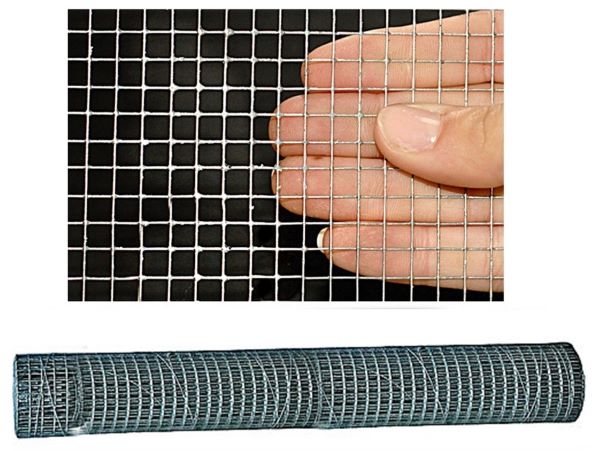
Replace any chicken wire on your coop with hardware cloth.
Bury hardware cloth at least a foot all around the coop to detour rats from digging into the coop.
Place flagstone or bury hardware cloth around the entire perimeter of the coop to help prevent digging.
Patch all holes or crevasses in the coop.

What About Repellants?
Do they work? The simple answer is not really. Mint, peppermint, essential oils, etc., all have little effect on detouring rats. Some essential oils are toxic to chickens so I would advise you to avoid them completely. Of course, I hope I don’t even have to say that rat poison is totally out of the question for obvious reasons.
So What Does Work? A Natural Predator!
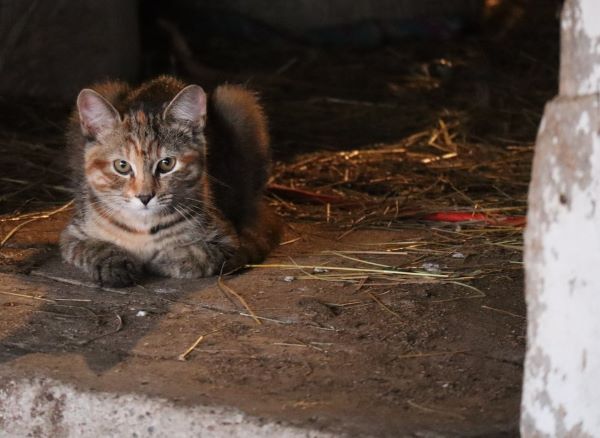
The predatory behavior in cats can be quite effective in controlling a mice & rat problem. They are natural hunters and have an instinctual drive to chase and catch small animals.


 TBN Ranch Chicken Keeping Resources