Choosing the Right Feed For Chicks and Chickens

Back to Chicken Keeping Resources HOME PAGE

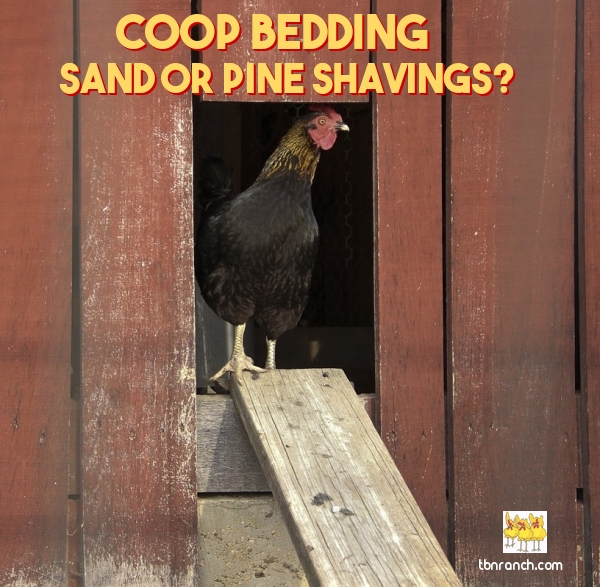
Sand or Pine Shavings in the Chicken Coop?

Natural Sand May Be a Better Choice for Your Coop, Here’s Why

Drainage: Sand allows for excellent drainage, which helps to keep the chicken coop dry and prevents the buildup of moisture. This is important for maintaining a healthy living environment for chickens and preventing issues like fungal growth or ammonia buildup, which can lead to respiratory issues for the birds.
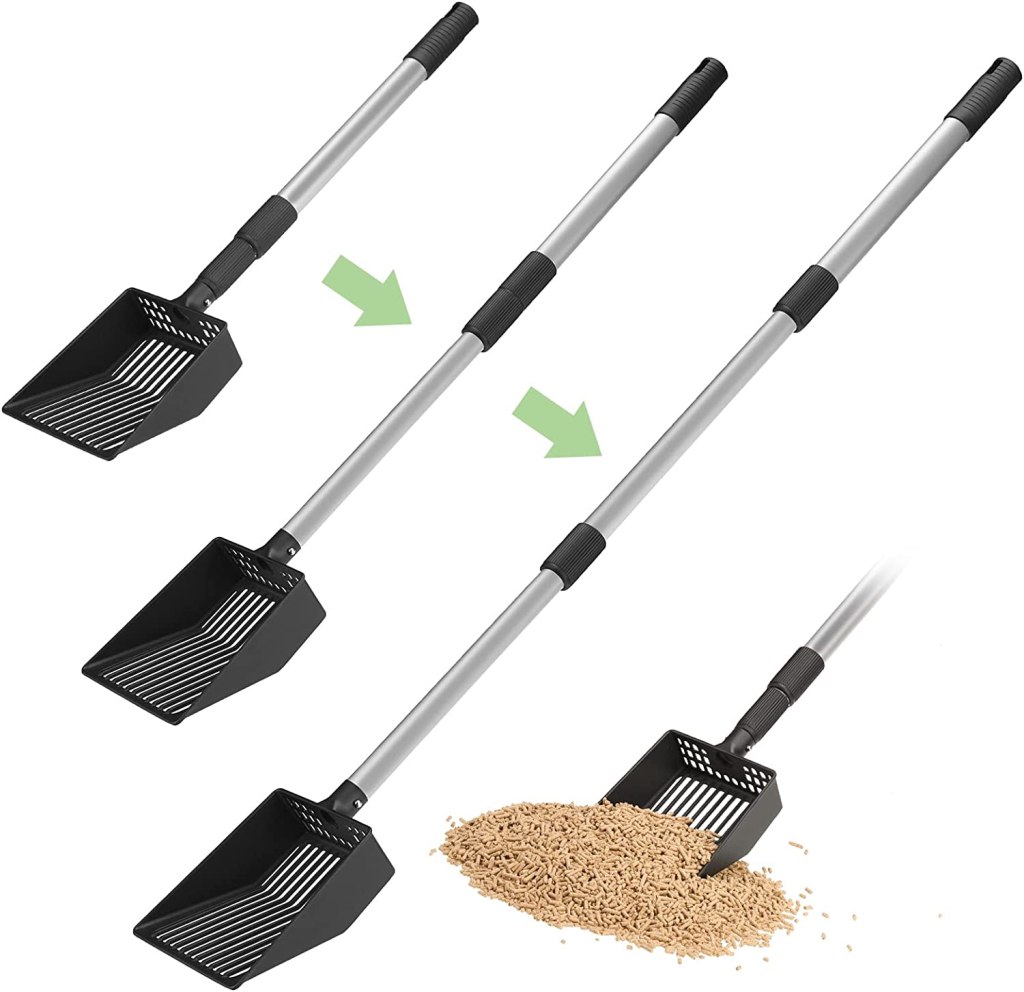
Cleanliness: Sand is easy to clean and maintain. Chicken droppings and other debris can be easily scooped out using a long-handle litter box scoop, available on Amazon. It would only take a few minutes to scoop up poop every day, this will keep the coop much cleaner. No more raking out a ton of smelly shavings every week, and replacing it with clean expensive pine shavings.
Comfort: Sand provides a soft and comfortable surface for chickens to walk, stand, and rest on. It is gentle on their feet and joints, which is important for their overall health and well-being. Chickens are also known to dust bathe, and sand provides a suitable medium for them to engage in this natural behavior.
Pest control: Sand can help control pests in the chicken coop. Sand does not provide a suitable environment for many common pests like mites, lice, or fleas to thrive, as it is not conducive to their life cycle. Additionally, sand can be easily raked or turned over, disrupting pest habitats and helping to keep them under control.
Cost-effective: Sand is often an inexpensive option for bedding in chicken coops, especially when compared to other materials like wood shavings or straw. Sand can be sourced locally in many areas, making it a cost-effective choice for chicken keepers on a budget.
Longevity: Sand is a durable material that can last for a long time with minimal maintenance. Unlike other bedding materials that may break down or decompose over time, sand can remain relatively stable and functional for an extended period, reducing the need for frequent replacement.
Natural look: Sand can provide a natural, aesthetically pleasing look to the chicken coop. It can mimic the natural environment of chickens, allowing them to engage in their natural behaviors and feel more comfortable in their surroundings.

Not All Sand is Created Equal
Where to Buy


Sand for your coop and/or run should be natural, consist of variable particle sizes, and shouldn’t be manufactured by crushing quartz. Sand can be purchased in bulk at local quarries, or anywhere that sells rock for landscaping, construction sites, etc. Delivery will most likely be available, but there will be an extra charge for the service. The sand will be dumped on your property, and it will be your job to move it into your coop and/or run.
NOTE: Keep in mind that sand is not suitable for all climates or situations. In areas with heavy rainfall or high humidity, sand may become excessively damp and muddy, which can lead to issues such as increased ammonia buildup or difficulties with drainage. Sand is best used inside a coop, or a covered area. It’s essential to consider the specific needs of your flock, climate, and management practices when choosing bedding material for your chicken coop.
Pine Shavings are Still Useful
Pine shavings are best used in nest boxes, chickens seem to prefer nesting on fluffy pine shavings, not hay, or straw which can be an irritant to the vent area.

Back to HOME PAGE

Everything You’ll Need To Raise Chickens

The Basics of What You’ll Need to Get Started


Your start-up cost for raising chicks & chickens can be costly, but you can plan ahead and buy a little at a time. There is plenty of time to have chickens, it can be next season or even the one after! Expect to pay somewhere around $1,000+ for a modest set-up… or better yet, take your time and build the coop of your dream.
Chicken Coop
A sturdy, weatherproof coop is essential for providing your chickens with shelter and protection from predators. Make sure it’s large enough to comfortably house your desired number of chickens, with nesting boxes for laying eggs, perches for roosting, and proper ventilation. How Much Space Do Chickens Need?
Chicken Run
A secure outdoor space where your chickens can exercise and forage. It should be fenced & covered to prevent them from escaping and protected from predators. It should be tall enough for you to easily access it for cleaning.
Bedding
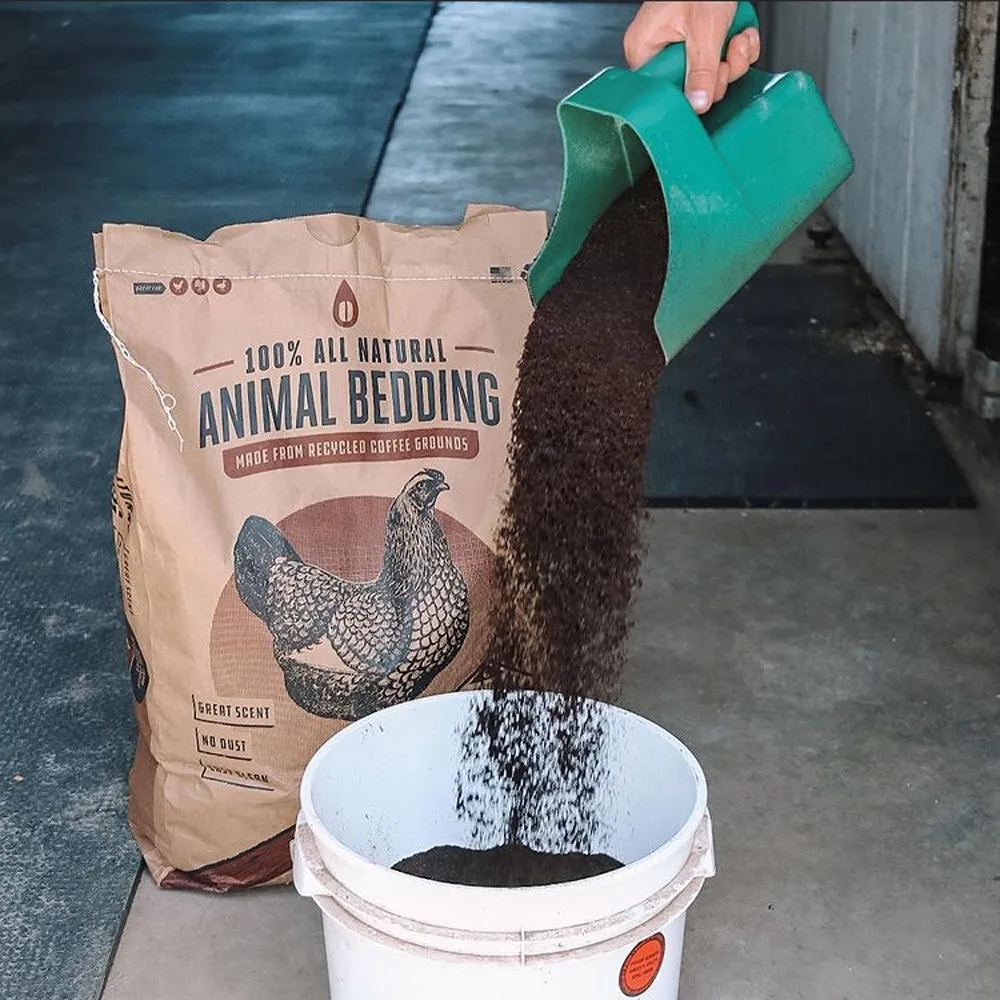
Chickens need clean and dry bedding to keep them comfortable and to help manage waste. Pine shavings are a good choice and are readily available at feed stores. Use a good amount on the floor of the coop and in the nest boxes. However, sand in my opinion will make your cleaning chores a breeze!
Chicken Feed
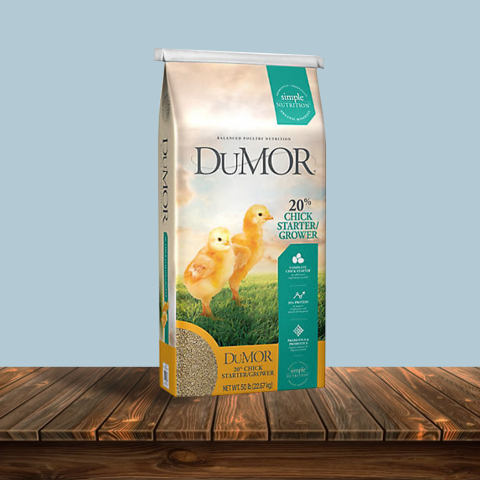
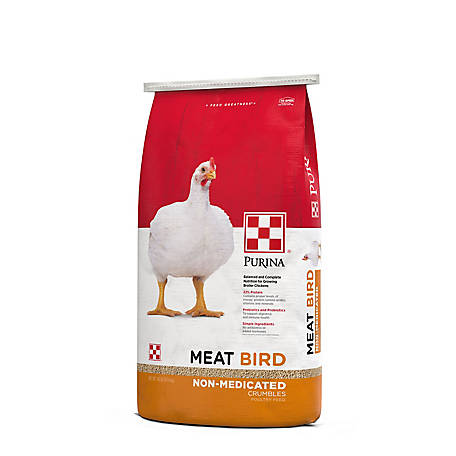
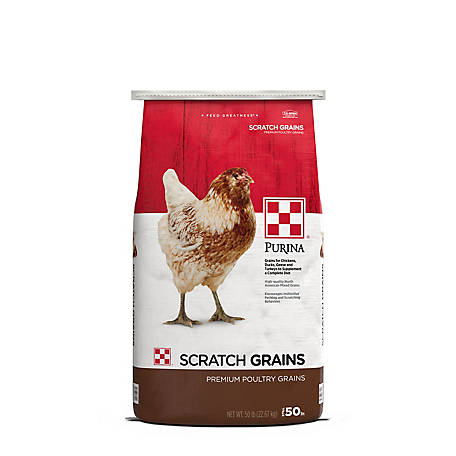
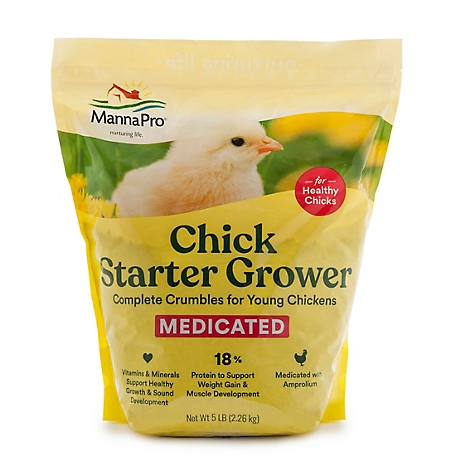
A balanced and nutritious diet is important for healthy chickens. You’ll need to provide them with good quality chicken feed that’s appropriate for their age and stage of production. Organic feed is available if that is your choice, although it is substantially higher in price.
Waterer
Chickens need access to clean, fresh water at all times. Use a waterer designed specifically for chickens. If you start with chicks, you’ll need a special smaller waterer for them.
Feeder
A feeder designed for chickens or chicks will help keep their food clean and prevent waste. There are various types available.
Nesting Boxes
Hens need nesting boxes where they can lay their eggs. These should be clean, dry, and comfortable, with some privacy for the hens. You’ll need one nest box for every two hens.
First Aid Kit
It’s always good to have a basic first aid kit for any potential chicken health issues. It should include items like poultry vitamins, electrolytes, wound care supplies, and poultry-safe insecticides.
Chicken Wire or Hardware Cloth
To keep your chickens safe from predators, you’ll need to cover any openings in your coop or run with chicken wire or hardware cloth. Make sure it’s sturdy and predator-proof.
Cleaning Supplies
Keeping your coop clean and sanitary is important for the health and well-being of your chickens. You’ll need tools like a rake, shovel, broom, and a putty knife for regular cleaning.
Perches
Chickens need perches to roost at night. Provide them with sturdy, rounded, or flat perches that are at least 2-3 feet off the ground.
Dust Bath
Chickens love to dust bathe, which helps them clean their feathers and control parasites. You can provide them with a designated area filled with sand. Avoid using food-grade diatomaceous earth anywhere in your coop, this can cause serious health and respiratory issues in chickens.
Egg Collection Basket
If you’re keeping hens for eggs, you’ll need a place to collect and store the eggs. An egg collection basket or egg cartons are good options.
A Brooder for Baby Chicks
A brooder is an enclosure or container designed to provide a warm and safe environment for newly hatched chicks to grow and develop until they are fully feathered.
Heat Source
If you’re raising chicks, they’ll need a heat source to keep warm. This can be a heat lamp or preferably, a radiant heat brooder plate.
Thermometer for the Brooder
A thermometer allows you to monitor the temperature and make adjustments as needed to ensure that the chicks are comfortable and healthy.
Grit
Whether or not chicks need grit to help digest their food is controversial. Today, it is said that if feeding commercial feed, grit isn’t necessary. I’ll leave this option for you to decide.

Back to HOME PAGE