Probiotics: Probiotics help improve gut health by promoting the growth of beneficial bacteria in the chicken’s digestive system. This can lead to better digestion, absorption of nutrients, and immune system function. Vitamin D: Chickens need exposure to sunlight or a source of supplemental vitamin D to maintain healthy bones and egg production. Calcium: Calcium is essential for strong eggshells and overall bone health in chickens. Calcium can be provided in the form of oyster shells or calcium carbonate supplements. Omega-3 fatty acids: Supplementing with omega-3 fatty acids can improve the nutritional quality of eggs, making them more beneficial for human consumption. Electrolytes: Electrolytes can be added to chicken’s drinking water during periods of hot weather or stress to help maintain hydration and electrolyte balance. It’s important to note that supplements should not replace a balanced and varied diet for chickens, which should include a combination of high-quality feed, fresh water, and access to grazing or foraging.
The deep litter method is a system of managing chicken litter (the mixture of bedding material and chicken manure) in a coop. Instead of regularly removing all the litter and replacing it with fresh bedding, the deep litter method involves adding fresh bedding material on top of the existing litter to create a deep bed. As the chickens scratch and peck through the litter, their manure gets mixed in with the bedding material, which begins to decompose and create heat. The heat and decomposition process helps to break down the manure and create a natural compost, which in turn provides warmth and insulation for the chickens during cold weather. Over time, the deep litter bed will build up to a depth of several inches. As long as the litter is kept dry, it will continue to break down and provide a healthy environment for the chickens. The deep litter method requires less frequent cleaning and can be a more natural and sustainable way to manage chicken litter, while also providing some natural pest control and reducing odors. However, it is important to monitor the litter moisture levels and ensure it does not become too wet or compacted, which can lead to health issues for the chickens.
No poultry or rodents shall be kept in an enclosure within eighty feet of any residence within the City. Poultry may be kept within eighty feet of a residence if written permission consenting to the keeping of poultry less than eighty feet from a residence is first obtained from each lawful occupant and each lawful owner of such residence. Poultry shall not be kept in the front yard area of any lot or parcel within the City. Poultry and rodents shall be kept in an enclosure so constructed as to prevent such poultry and rodents from wandering upon property belonging to others. No more than twenty head of poultry nor more than twenty-five head of rodents nor more than twenty-five head comprising a combination of rodents and poultry shall be kept upon the first one-half acre or less. An additional one-half acre shall be required for each additional twenty head of poultry or for each additional twenty-five head of rodents or for each additional twenty-five head comprising a combination of poultry and rodents. For areas larger than two and one-half acres the number of poultry or rodents shall not be limited. No male poultry shall be kept within the City limits except such male poultry as are incapable of making vocal noises which disturb the peace, comfort or health of any person residing within the City. All such enclosures shall be kept in such condition that no offensive, disagreeable or noxious smell or odor shall arise therefrom to the injury, annoyance or inconvenience of any inhabitant of the neighborhood thereof.
Section 8-5. Manner of Keeping Generally
It is unlawful for any person to keep or maintain any animal or bird in the City in a manner likely to disturb the peace, comfort, or health of any person residing within the City. A person who violates this section is guilty of a Class 1 misdemeanor, however, the City Prosecutor may authorize the filing of certain cases or classes of cases as civil violations unless the person previously has been found responsible or guilty of violating this section. A person found responsible for a civil violation of this section is subject to a sanction of not less than one hundred fifty dollars and not more than two thousand five hundred dollars. In addition to any other penalty authorized by law, a person found guilty of a criminal violation of this section shall pay a fine of not less than one hundred fifty dollars. Can you Have Chickens Where You Live? Check with your local government or health department websites for information on regulations and restrictions regarding raising chickens in your city. Key words: Poultry & Rodent Ordinance
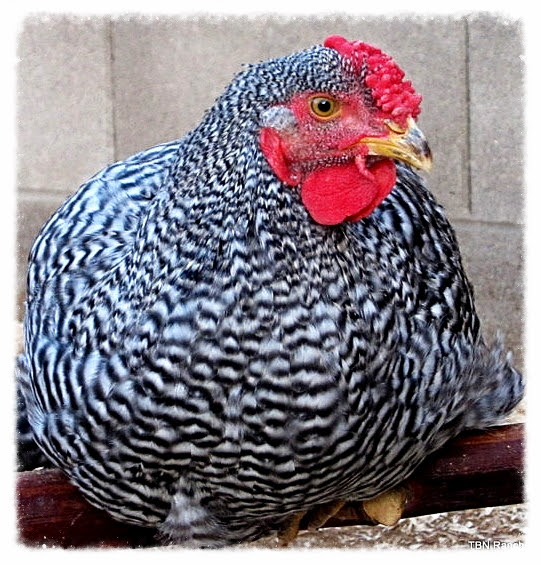

 The deep litter method is a system of managing chicken litter (the mixture of bedding material and chicken manure) in a coop. Instead of regularly removing all the litter and replacing it with fresh bedding, the deep litter method involves adding fresh bedding material on top of the existing litter to create a deep bed. As the chickens scratch and peck through the litter, their manure gets mixed in with the bedding material, which begins to decompose and create heat. The heat and decomposition process helps to break down the manure and create a natural compost, which in turn provides warmth and insulation for the chickens during cold weather.


 TBN Ranch Chicken Keeping Resources