A video by the Chicken Chick on how to treat mites & lice with Elector PSP, which is available on her website.

A video by the Chicken Chick on how to treat mites & lice with Elector PSP, which is available on her website.
The Sand Dipper (Mid-Adjustable Model) has a long handle that can be adjusted from 34″ to 64″, making it easy to clean the coop. It’s lightweight, has a comfortable cork-rubber handle, and a stainless steel basket. The holes in the basket are the perfect size to let sand, including quarter-minus gravel fall through.
I have a couple of tiny Mille Fleur chickens among the flock, and this sifter works great for cleaning up their small droppings too. I couldn’t be happier with this purchase.
🙂 You’ll find the Sand Dipper on Amazon.

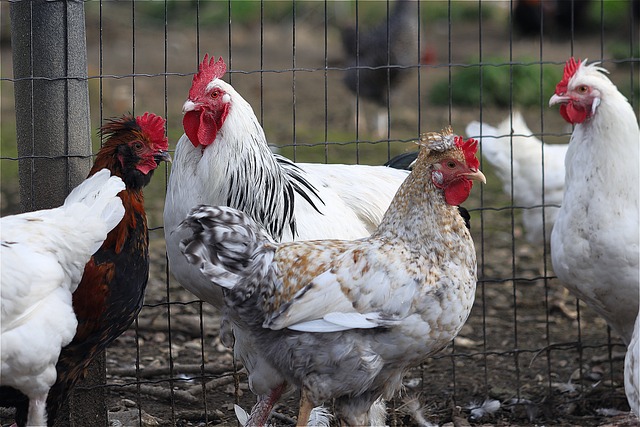
Feather picking in chickens is a behavior where birds peck at and pull out feathers from themselves or other birds. This can range from minor feather damage to baldness and, in severe cases, injury. Why do chickens engage in this behavior? There are several reasons to consider, so let’s take a look at the most common ones and see if we can get to the bottom of this problem. FYI: Written by a real chicken keeper, not AI. 🙂
Protein Deficiency: Chickens may pick feathers if their diet lacks adequate protein, as feathers are a source of keratin, a protein.
Mineral Imbalances: Deficiencies or imbalances in minerals like sodium or calcium can also trigger feather picking.
Note: Just because the feed bag or retailer claims it is a high-quality, healthy feed doesn’t mean it is. Switch it up by buying different name-brand feed and supplementing with fresh foods such as fruits, greens, eggs, grains, and meat. Remember this the next time you consider throwing away your table scraps. If deficiencies are suspected, especially during molting when feather growth demands more nutrients, consider adding nutritional supplements.
Ensure chickens are receiving a balanced diet with the right levels of protein (16-20%, depending on their stage) and minerals.
Overcrowding: When too many birds are kept in a small space, stress and competition for resources can lead to feather picking. Ensure that chickens have enough space to move freely. The recommended space is about 2-3 square feet per bird inside the coop and 8-10 square feet per bird in the outdoor run.
Boredom or Lack of Enrichment: Chickens need mental and physical stimulation, which is especially important for confined birds. Boredom can drive them to feather pick as a way to occupy themselves.
What to do: Chickens are curious, so add things that are new and different. They are also foragers, so give them the opportunity to scratch around the coop looking for treats. Provide perches, dust baths, and items like hanging vegetables or toys to keep chickens occupied and reduce boredom.

Birds living in an uncomfortable environment, such as too hot or cold. Especially too hot.
You can learn about how to manage your flock in the heat HERE.
Dominance: Chickens establish a pecking order, and feather picking can be a way for dominant birds to assert control over others. To ensure a stable and peaceful flock, avoid introducing new birds abruptly and manage the flock size appropriately.
Friendly advice: If certain birds are persistently picking feathers, identify the aggressors. They may need to be separated from the flock temporarily or permanently. Why? Because intervention is key to preventing the behavior from becoming a chronic issue.
Parasites: External parasites like mites or lice can cause irritation, leading chickens to pick at their feathers. Regularly check for and treat external parasites. Dust baths can help in natural parasite control.
Keep in mind that chickens lose feathers for other reasons which are completely normal, such as:
Molting, which can happen at least once a year, sometimes more.
A good egg producer can have poor feather growth because all her energy is busy making eggs for you.
Broody hens often pull out their own feathers when nesting.

 TBN Ranch Chicken Keeping Resources