Time For a Chicken Coop Upgrade

Big Changes at TBN Ranch

It’s been a long time coming, after numerous predator attacks, and no way to keep my coop comfortable in Phoenix’s ridiculous heat, I’m finally doing something about it. I’m digging deep into my pockets and considering these two options. Option #1 is to have my covered corrals enclosed by a local company that specializes in custom enclosures. It will be done with wood framing and hardware cloth and have two entry doors. Or, option #2, building an entirely new coop by a local custom builder. The builders are coming in mid-June to discuss these options.
I’m open to their suggestions, but I’m leaning towards enclosing my corrals because of our summer monsoon storms. It was built in 2013 and I know it can withstand winds that exceed 70 MPH and stays dry in heavy rain.

Option#1: Enclosing Existing Corrals
Option #2: A New Coop Build (adding large wired windows)
This is what I want to enclose for my chickens.
Back to HOME PAGE

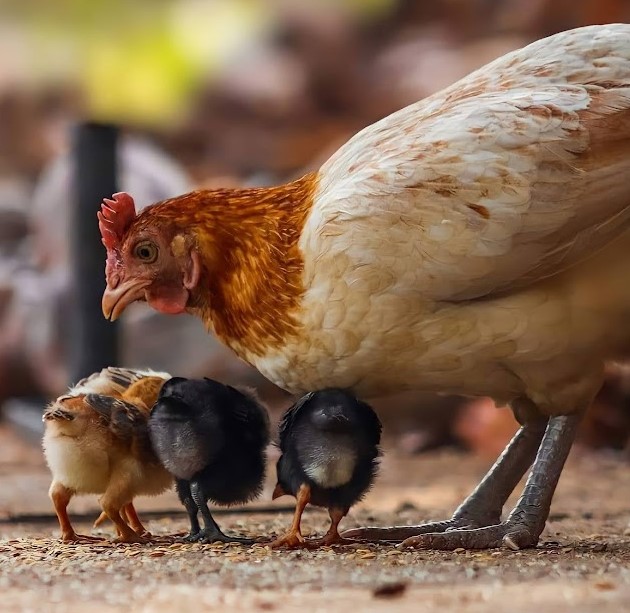
My Silkie Hen Welcomes Baby Chicks

The Successful Introduction of Hatch-a-longs (Orphan Chicks) to a Broody Hen

Backyard urban chicken keepers aren’t allowed to have a rooster because they are a neighborhood nuisance with their constant crowing. But what can you do if you want babies and aren’t interested in incubating eggs? You can place fake eggs under her when she’s broody, wait about two-three weeks, and tuck 1 to 3-day-old chicks under her in the middle of the night. How to do this is described in detail HERE.

Mother Hen and Her Hatch-a-longs, Day 2

Silkie Hen with her Black Star Hatch-a-longs
Mamma Being Maternal
Hatch-a-long chicks are Black Stars, AKA, Black Sex-Links

About the Black Star

The Black Star, also known as a Black Sex-Link is produced by two separate breeds. The breeds are usually a Rhode Island Red or New Hampshire rooster mated with a Barred Plymouth Rock hen. The Black Star is known for its hardiness, excellent egg-laying ability, and attractive appearance. Continue Reading

Back to Chicken Keeping Resources HOME PAGE

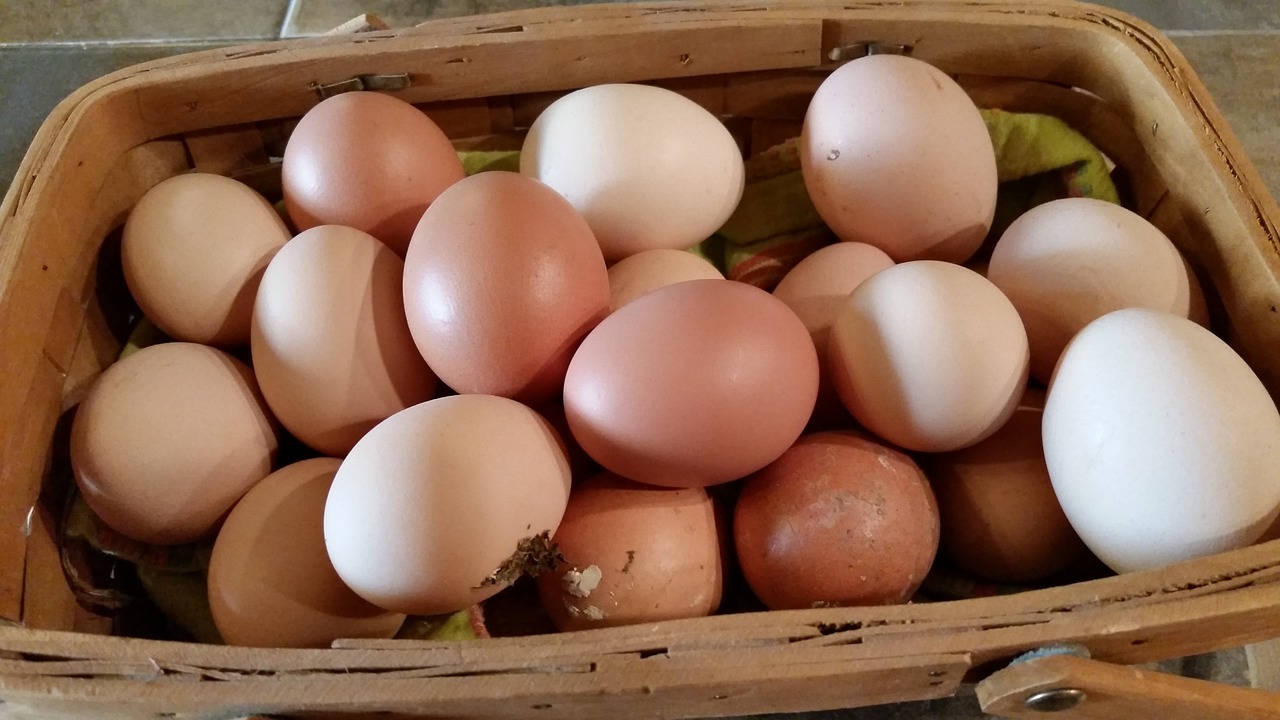
Farm Fresh Eggs Better Than Store Bought, Here’s Why

Farm-fresh eggs are often considered to be of higher value compared to store-bought eggs due to a variety of factors.

Nutritional value: Farm-fresh eggs are often considered to be more nutritious than store-bought eggs. This is because hens raised on small farms are typically allowed to roam outside and eat a more varied diet than factory-farmed chickens. As a result, their eggs tend to be richer in nutrients such as omega-3 fatty acids, vitamins A and E, and beta-carotene.
Taste: Many people also believe that farm-fresh eggs taste better than store-bought eggs. This is because the yolks tend to be richer in color and flavor, and the whites tend to be firmer and creamier. Additionally, since farm-fresh eggs are often fresher than store-bought eggs, they may have a better texture and flavor.
Sustainability: Choosing farm-fresh eggs can also be a more sustainable choice. Small-scale farmers often raise their hens in a more humane and environmentally-friendly way, and buying eggs directly from farmers can help support local agriculture.
Safety: While all eggs are required to be inspected for safety, farm-fresh eggs may be perceived as being safer since they are often sold directly to consumers by the farmers who raised the hens. This can reduce the risk of contamination or food-borne illnesses that can occur during transportation and storage.
Note:
Farm-fresh eggs can be a great choice for people who prioritize nutrition, taste, sustainability, and food safety. However, it’s important to note that not all farm-raised eggs are created equal, and it’s important to do your research to find a trusted source for your eggs. Or, maybe consider having your own backyard flock, just be sure to check your local laws on keeping poultry before you join the chicken-keeping craze.

Back to Chicken Keeping Resources HOME PAGE