Home

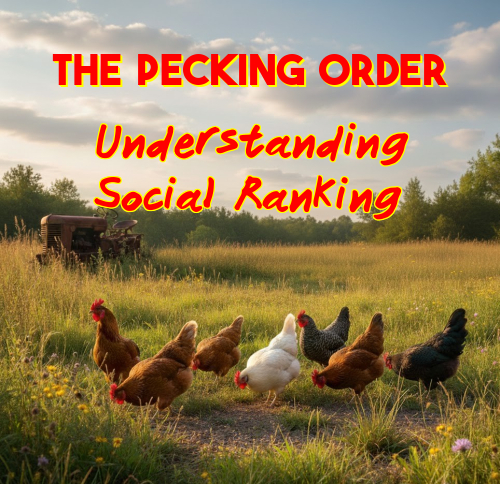
The Pecking Order Among Chickens

Managing the Thugs in Social Ranking

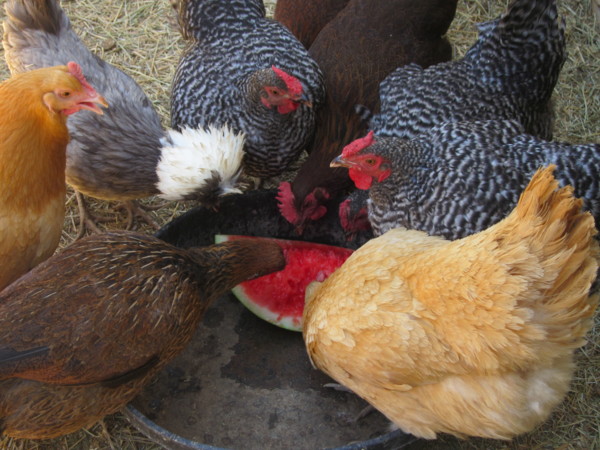
These Two RIR Are My Bullies
Back to HOME PAGE

Ameraucana or Easter Egger?

The Blue Egg Layer

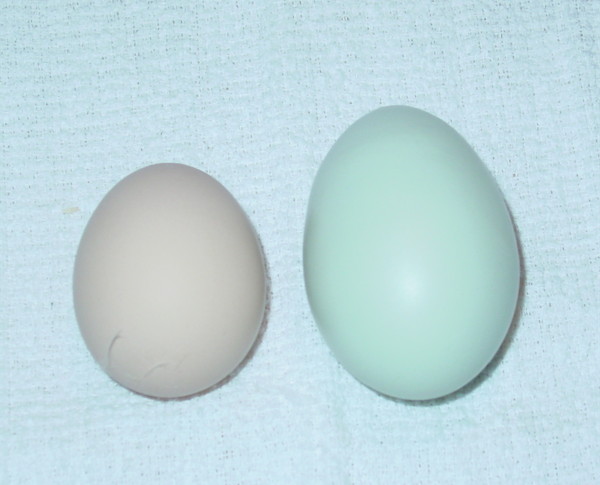
The Ameraucana is a distinct, recognized breed that must adhere to strict American Poultry Association (APA) guidelines to earn its title. These birds are unmistakable with muffs and beards, paired with a distinct pea comb. To be considered a true Ameraucana, a bird must have slate blue or black legs, a U-shaped body, and a tail set at a 45-degree angle. They are also limited to eight recognized color varieties, and they are strictly blue egg layers. Because the pigment, called oocyanin, permeates the entire shell.
Now here’s the scoop on the Easter Egger, which you may be surprised to learn, isn’t a specific breed at all, but a hybrid! These birds are typically the result of crossing a blue egg layer with another breed, such as a Rhode Island Red or Marans. Because they’re crossbreeds, their appearance can be wildly unpredictable, while some may inherit the beard and muffs of their parents, others may not. Unlike the slate legs of the Ameraucana, you’ll often see Easter Eggers with green or willow colored legs. However, what is interesting about Easter Eggers, is the egg colors they may produce. While an individual hen will lay the same color egg her entire life, a flock of Easter Eggers can produce many different colors, including aqua, sage green, olive, tan, or even rose. This variety occurs because of the tinted factor, when a brown pigment is layered over a blue shell during production, the result ends up being a nice little surprise!

While many hatcheries claim to sell Ameraucanas, nearly none of them do. Most sell mutt Easter Eggers. Ameraucanas come in both a large and bantam variety.
Standard Weight for Bantams
Cock: 30 oz.
Cockerel: 26 oz.
Hen: 26 oz.
Pullet: 24 oz.
Standard Weight for Large Fowl
Cock: 6 1/2 lbs.
Cockerel: 5 1/2 lbs.
Hen: 5 1/2 lbs.
Pullet: 4 1/2 lbs.

Back to HOME PAGE


Chicken Keeping in Triple Digits

Surviving Phoenix, Arizona

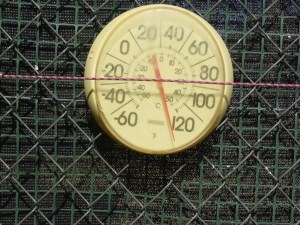
Shade is hard to come by in Phoenix,  but not impossible if you’re creative. If your chickens are in a small coop they are unlikely to survive triple-digit temperatures, I know that sounds a bit harsh, but it’s true.  June will most likely exceed 110, which means 120+ in the coop, and that’s a death sentence.
Your birds will fair well in temperatures up to 105 if they are not confined, have shade, and a place to dig a hole in the dirt. Make sure they have cool water available, if the water is too hot they won’t drink enough to stay hydrated. Make it easy on yourself, use buckets instead of those chicken drinkers that are impossible to clean and a big hassle to fill.
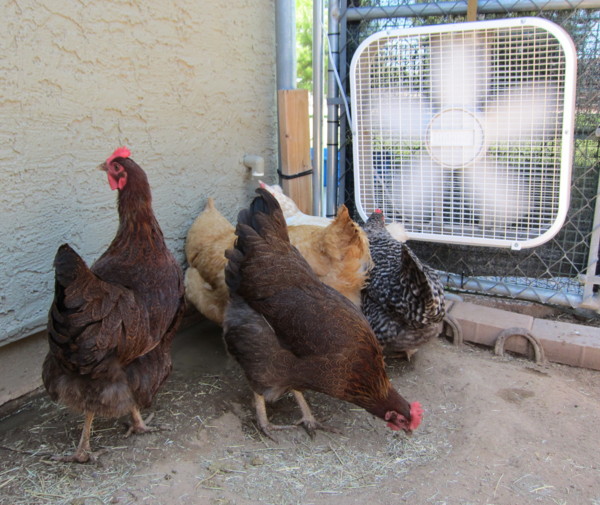
When temperatures reach over 105 in the shade it’s time to introduce a fan to the chicken yard.  I don’t use anything fancy, a $20.00 box fan will do the trick. Hang it from a fence (wreath hangers work nicely) or anyplace where it won’t tip over. Your birds will stand in front of that fan like they were watching a movie!

Gavin Flock, Summer 2011

June and July are the worst months for excessive heat, 110 -115+, and when you really have to stay on top of your chicken-keeping responsibilities. Mist systems help cool the air, especially with a fan to keep the air moving. I like the standing misters ($10.)  that attach to a hose. Place it right in the chicken yard, and dig up a small area near it so the moisture forms a little mud pool for the birds.
If you free-feed your chickens, don’t in summer.  Feed produces heat, so feed early morning, a little during the day, and just before they return to the coop at night.  Never offer scratch feed in summer, it’s a hot feed and unsuitable for your feathered desert dwellers. Offer your flock a watermelon, or a head of lettuce instead, this will help keep them hydrated.

Danger Signs of Heat Exhaustion

The first sign of trouble is dark red, then pale comb and wattles. As their condition worsens they will become unstable on their feet, lethargic, wobble, and even fall over and lie lifeless. They will die quickly if you don’t act fast.
Note: Heavy or meat Birds such as Orpingtons are the first to show signs of heat intolerance, watch them closely.
Chickens will hold their wings out from their body,  pant, and lay in holes on their side  – all normal behavior when they’re very hot.
What to Do
Submerge the chicken in a 5 gal. bucket of warm water and place the bird under a shade tree.  Don’t bring the bird indoors to air conditioning, this will only make matters worse when you return the chicken to the outdoors. A fan on low will help cool the bird quickly, they usually recover within 15-20 minutes.
Ideas for Providing  Shade
Shade Cloth
Mesh Tarps
Lattice
Palm Frond
Shade Sails

Back to Chicken Keeping Resources HOME PAGE